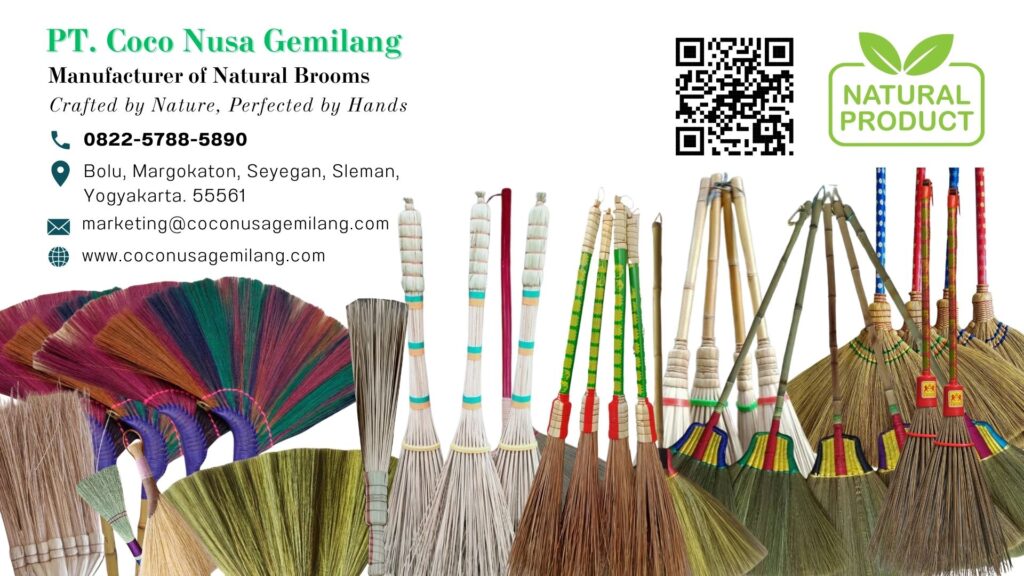
Grass Broom Supplier: Building Reliable Partnerships in a Traditional Yet Global Industry
The grass broom industry sits at an unusual intersection of tradition and global commerce. On one hand, it relies on age-old techniques, natural materials, and skilled handcraft. On the other, it must meet the expectations of modern buyers who demand consistency, scalability, and competitive pricing. For importers, distributors, and wholesalers, choosing the right grass broom supplier is not simply about finding a product—it is about securing a dependable partner.
A well-made grass broom does more than sweep dust. It reflects durability, balance, and thoughtful construction. Behind every finished piece lies a chain of processes, from harvesting raw grass to binding, trimming, and packaging. Suppliers who understand this chain in depth tend to deliver better quality and fewer complications. That is why evaluating a supplier requires more than reviewing a catalog; it demands a closer look at how they operate.
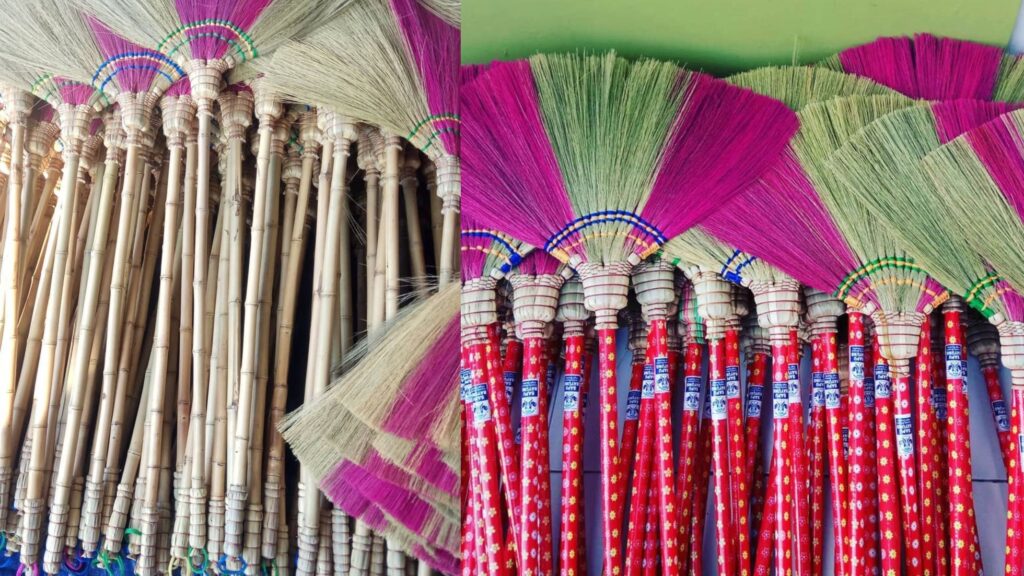
Understanding the Grass Broom Market
Grass brooms, often made from natural fibers such as broom grass or palm materials, remain widely used across Asia, Africa, and parts of Europe. Their popularity stems from simplicity, affordability, and environmental friendliness. Unlike synthetic alternatives, they are biodegradable and require minimal industrial processing.
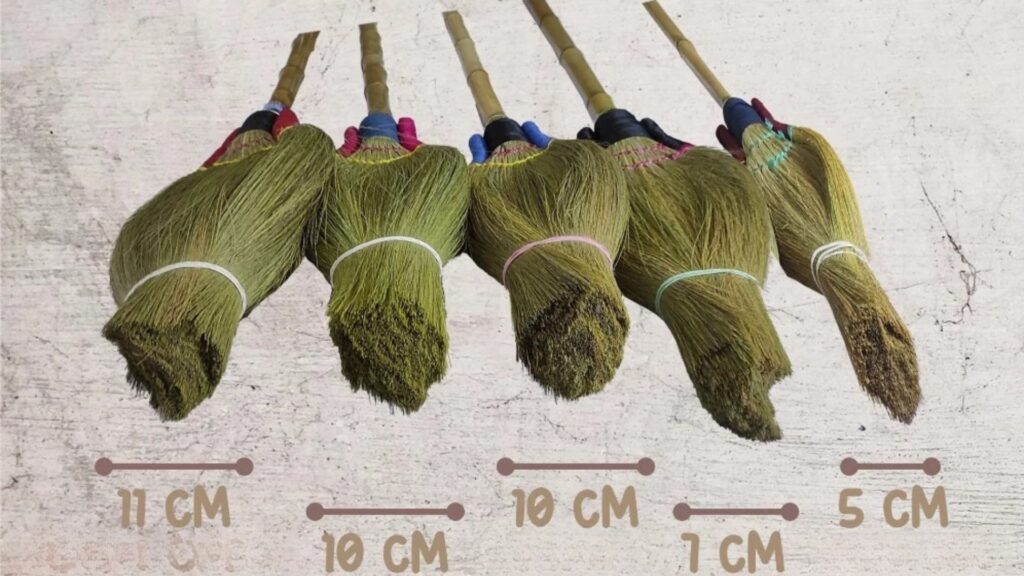
Despite their simplicity, demand has become increasingly sophisticated. Retailers want uniform sizes. Distributors expect bulk availability. Some markets prefer lighter brooms, while others prioritize sturdiness. A capable supplier adapts to these variations without compromising quality.
Global trade has also changed expectations. Buyers now compare suppliers across countries. They assess not only pricing, but also shipping reliability, communication, and responsiveness. As a result, the role of a supplier has evolved from a mere manufacturer into a strategic partner.
Key Characteristics of a Reliable Supplier
Not all suppliers operate at the same level. Some focus on small-scale local production, while others manage export-ready systems. Understanding the difference can save buyers from costly mistakes.
A strong supplier demonstrates consistency. Each shipment should match agreed specifications in size, weight, and binding strength. Inconsistent products lead to complaints, returns, and damaged reputations.
Equally important is raw material quality. Grass used in broom production must be properly dried, sorted, and cleaned. Poor-quality materials result in brittle fibers that break easily. A supplier who controls sourcing tends to maintain higher standards.
Communication also matters. Professional suppliers respond quickly, provide clear quotations, and explain terms without confusion. Miscommunication often leads to shipment delays or incorrect orders. A supplier who communicates well reduces risk.
Finally, export readiness sets serious suppliers apart. This includes proper packaging, documentation, and familiarity with international shipping procedures. Buyers should confirm whether the supplier has experience with FOB, CIF, or other trade terms.
Production Process and Craftsmanship
Grass broom production may appear simple, but it involves several detailed steps. Each step influences the final product’s durability and usability.
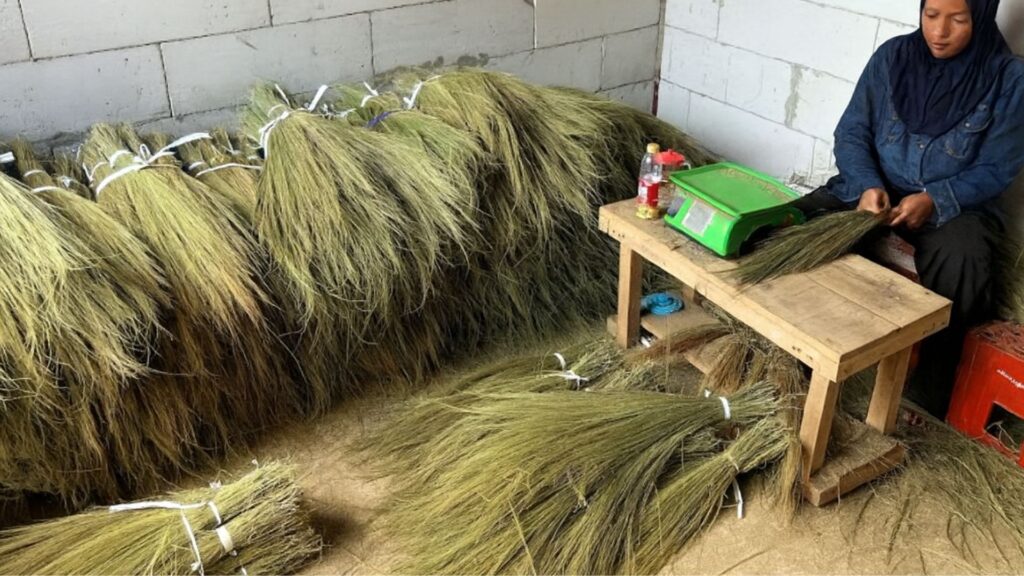
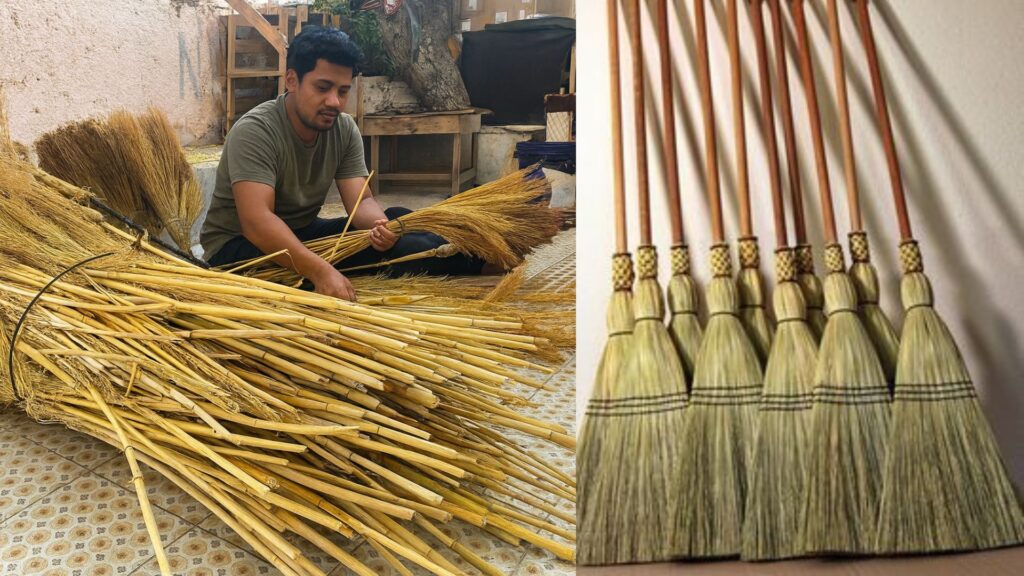
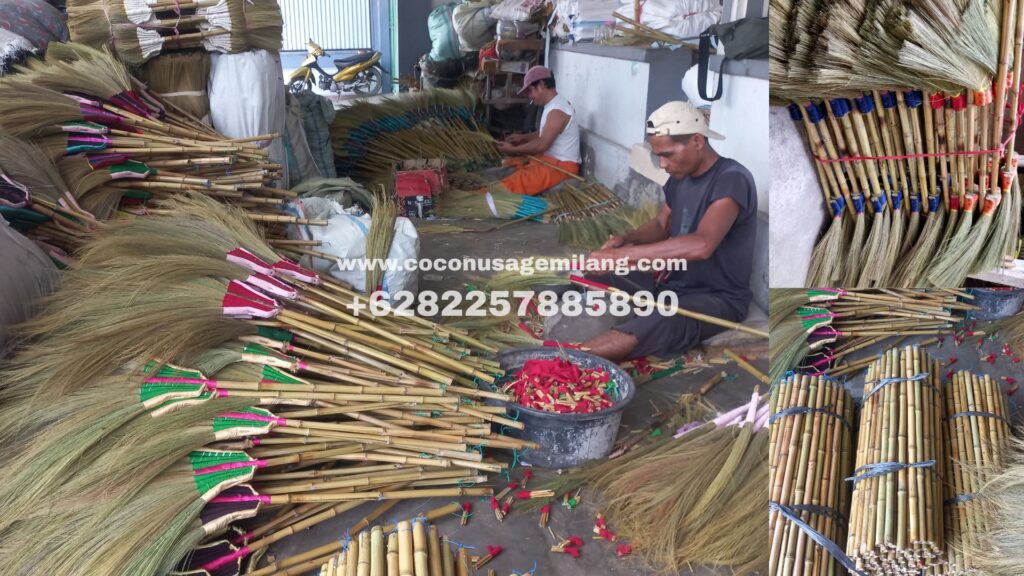
The process begins with harvesting broom grass. Timing is critical. Grass must be cut when fibers reach optimal strength. After harvesting, workers dry the grass under controlled conditions. Excess moisture can lead to mold, while over-drying weakens the fibers.
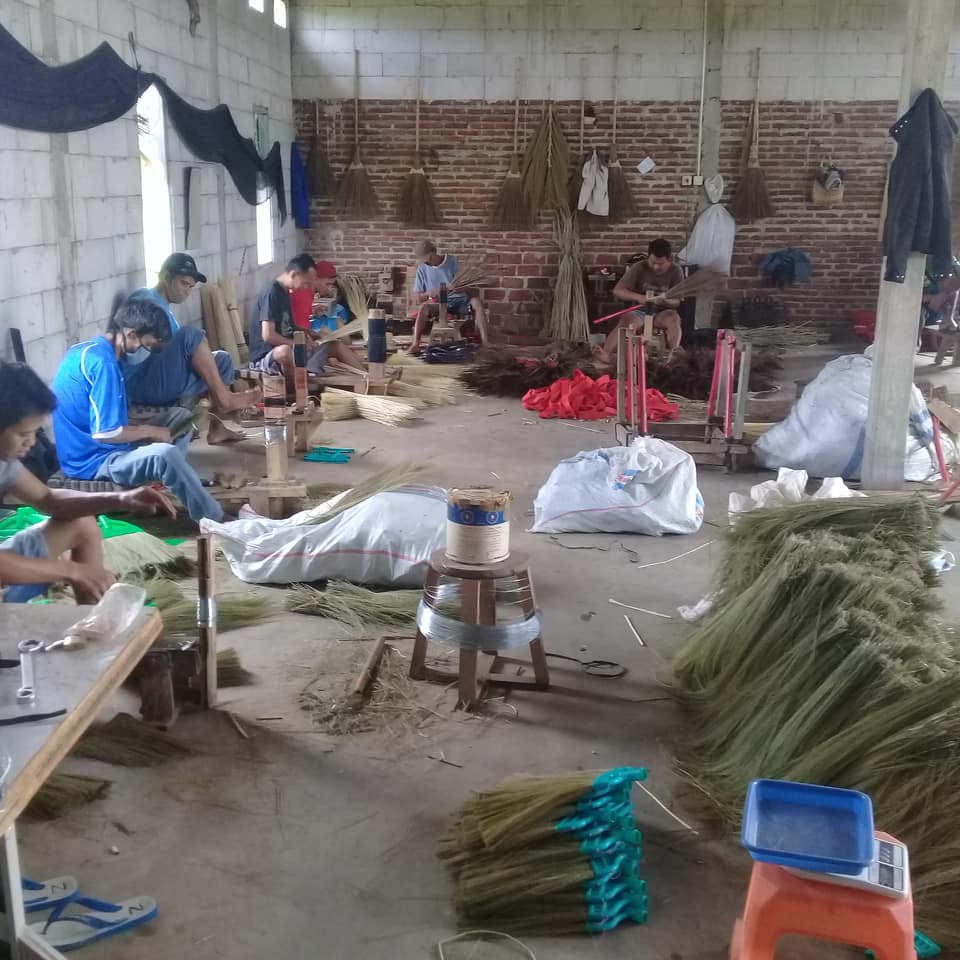
Sorting follows drying. Workers separate fibers based on length and thickness. Uniformity at this stage ensures a consistent finished product. Lower-grade materials may still be used, but typically for budget lines.
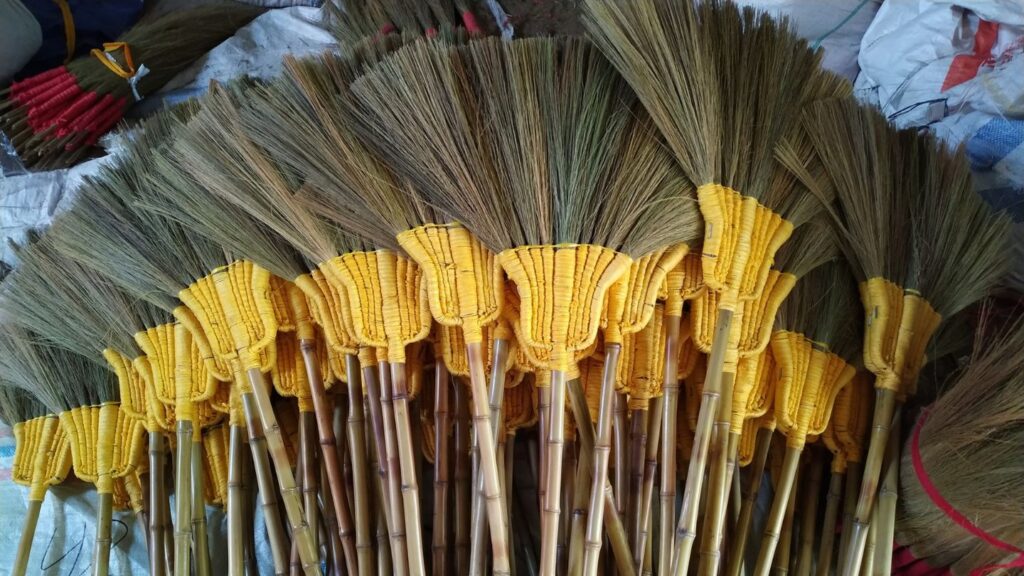
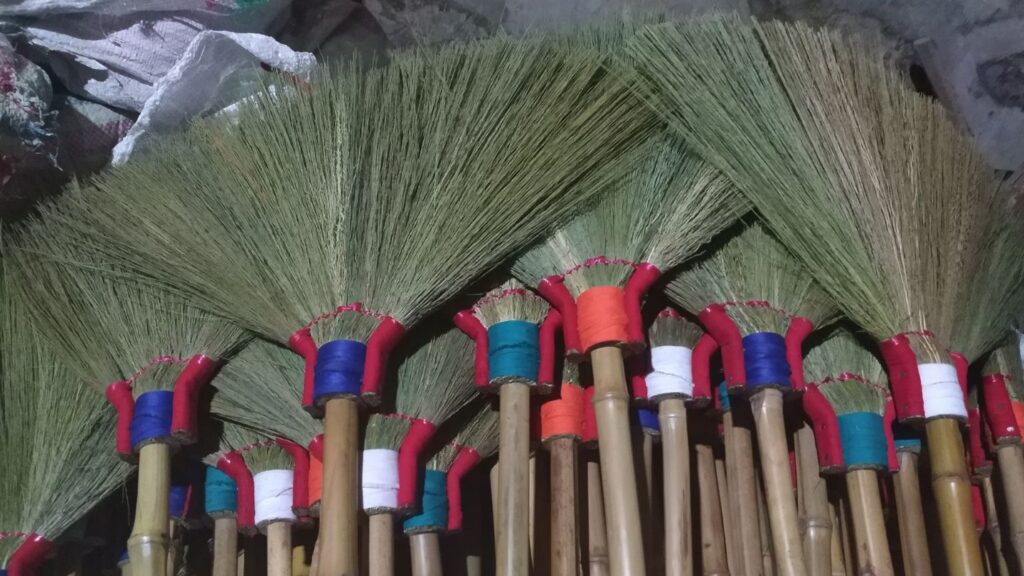
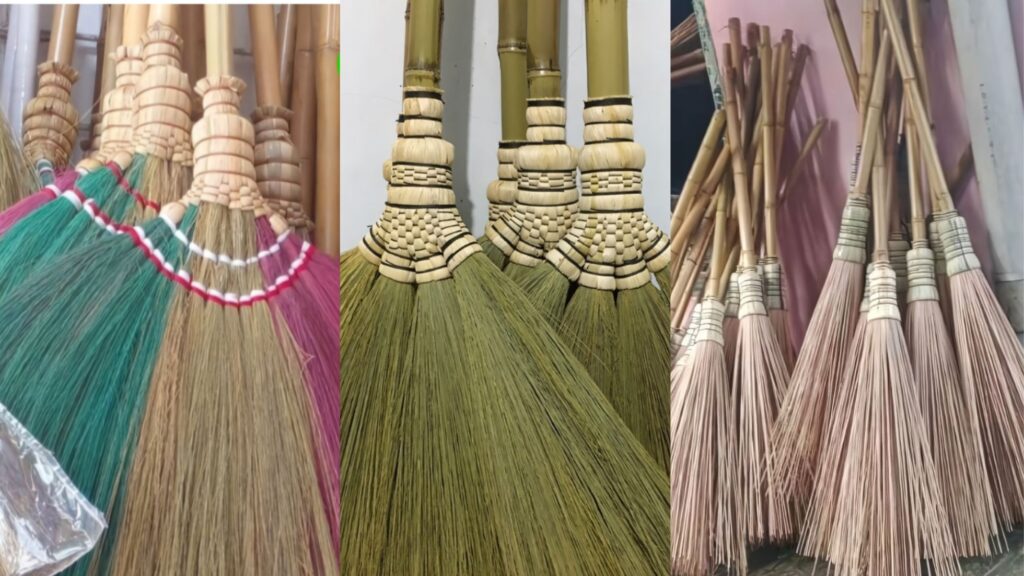
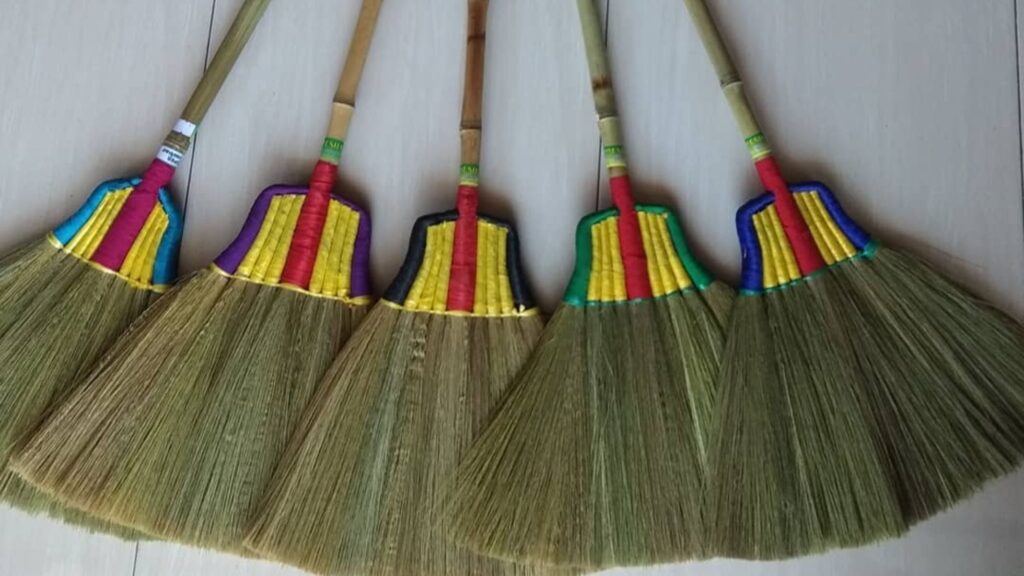
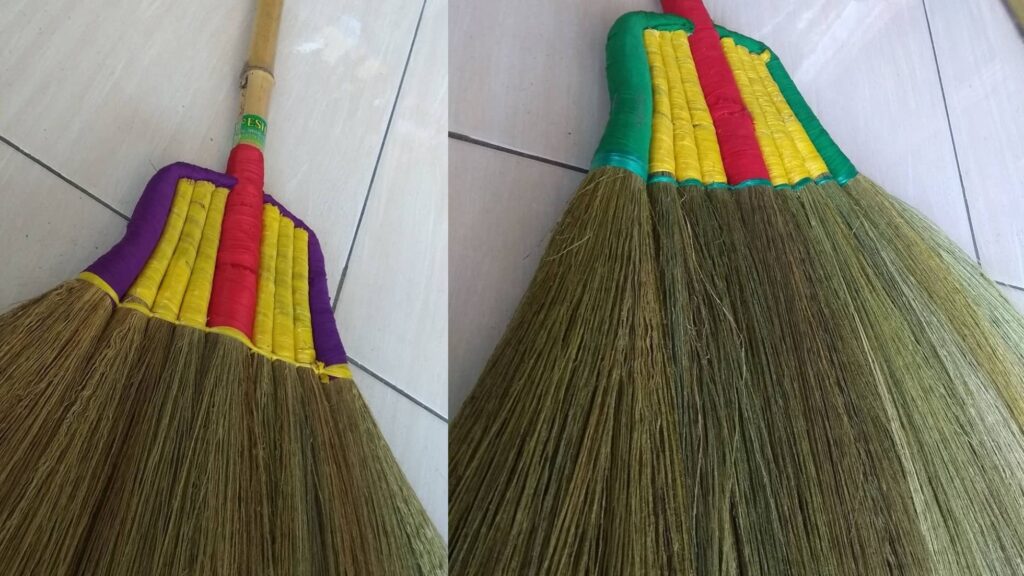
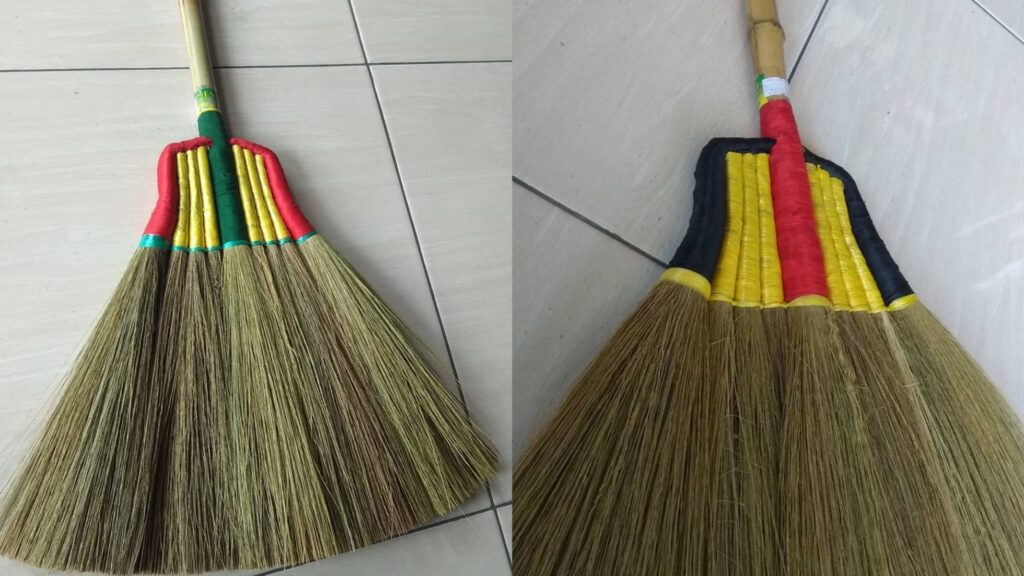
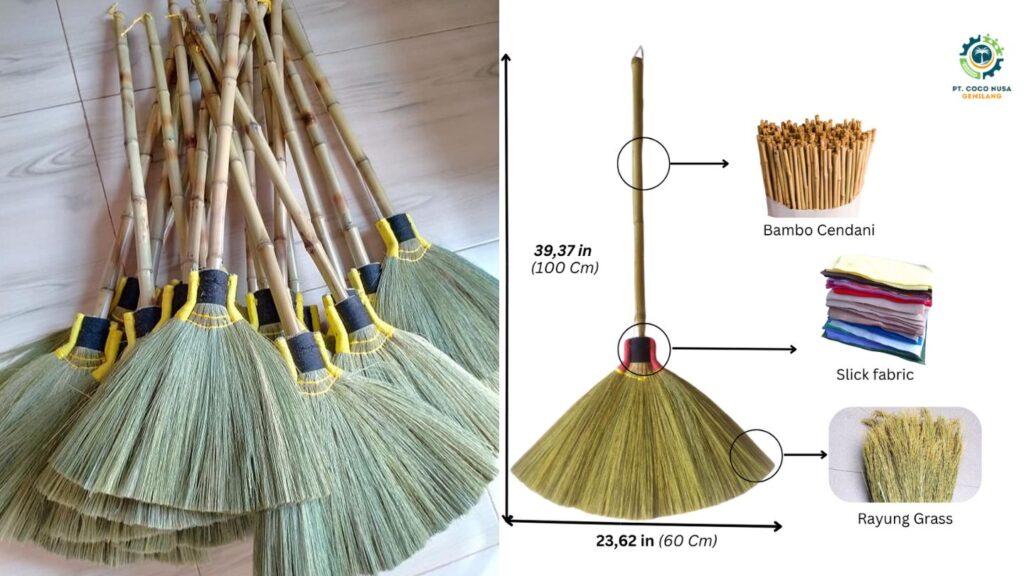
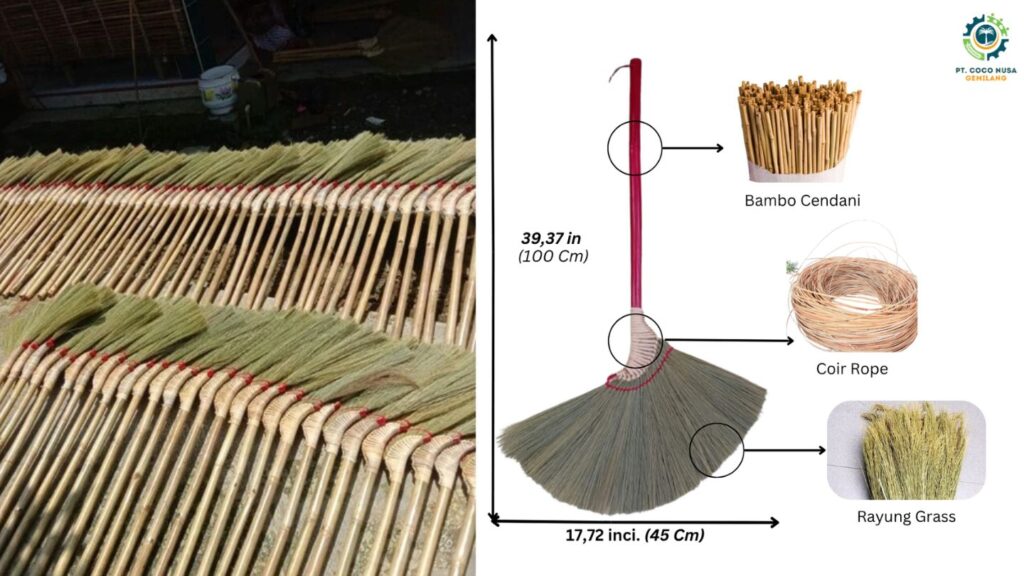
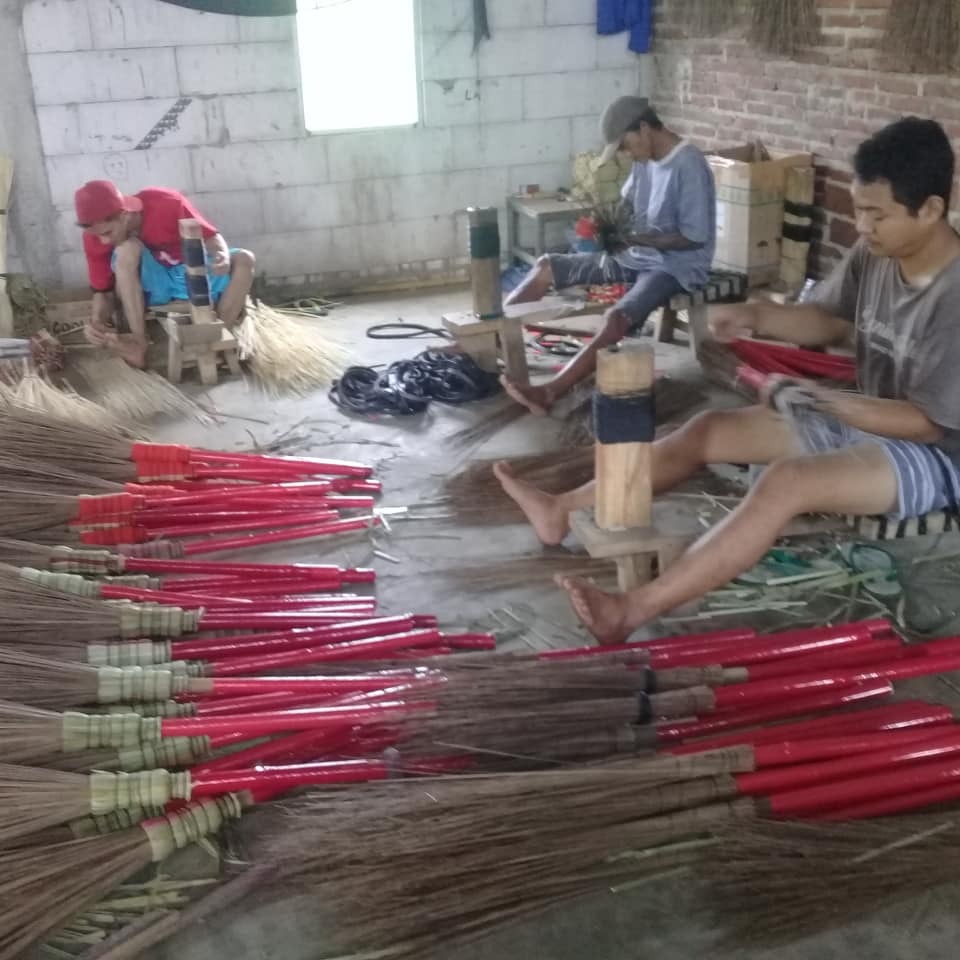
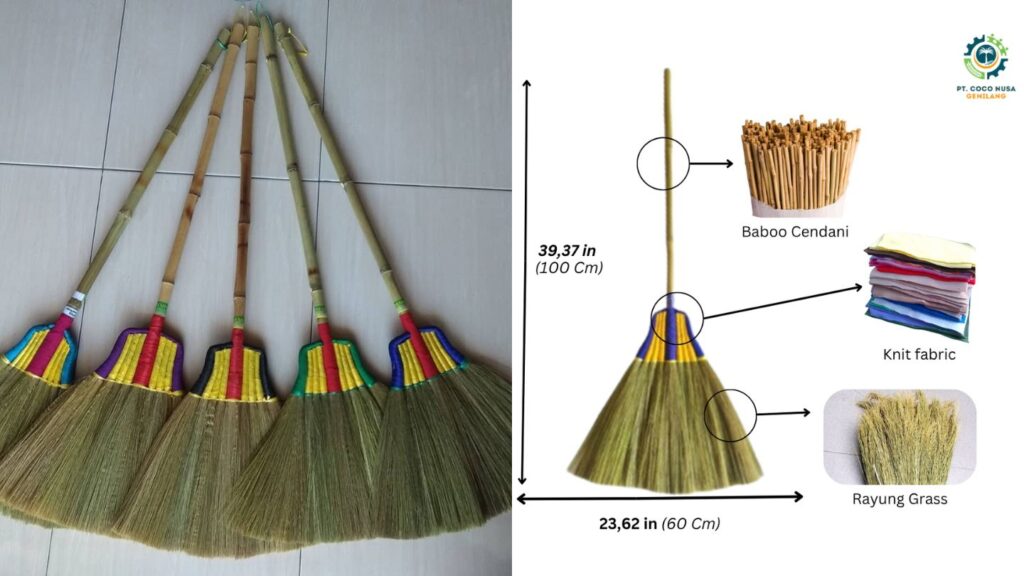
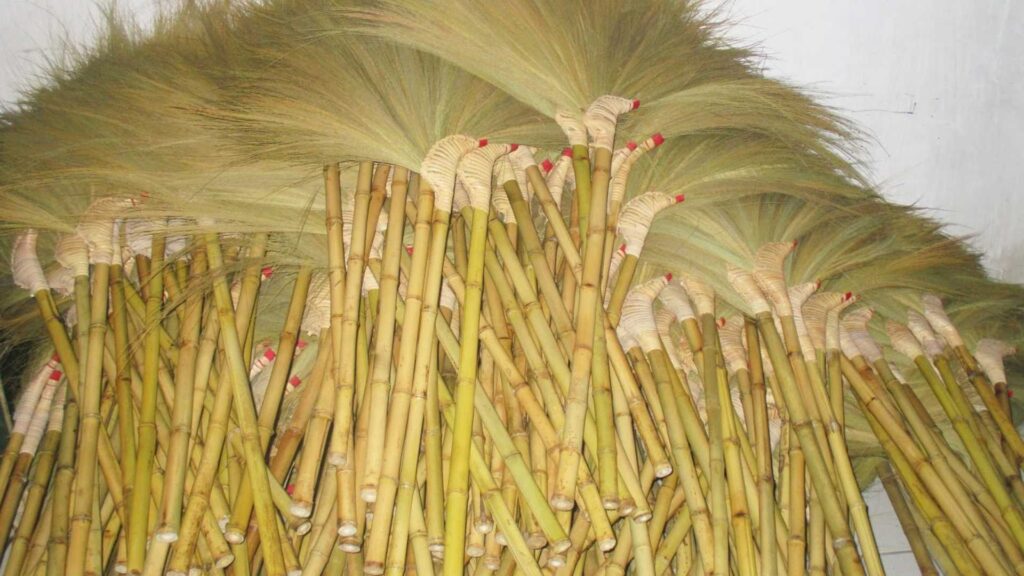
Binding is where craftsmanship becomes visible. Skilled workers arrange the grass evenly and secure it tightly to a handle, often made of bamboo or wood. The binding must be firm yet flexible. Loose binding causes shedding, while overly tight binding can break fibers.
Trimming completes the process. The broom head is shaped to achieve balance and usability. Some markets prefer flat ends, while others favor rounded shapes. A good supplier understands these preferences and adjusts accordingly.
Customization and Market Preferences
Different markets have distinct expectations. A supplier who offers customization gains a clear advantage.
In Southeast Asia, lighter brooms with flexible fibers are popular for indoor use. In contrast, African markets often prefer thicker, more robust brooms suitable for outdoor sweeping. European buyers may request more refined finishes and consistent packaging for retail display.
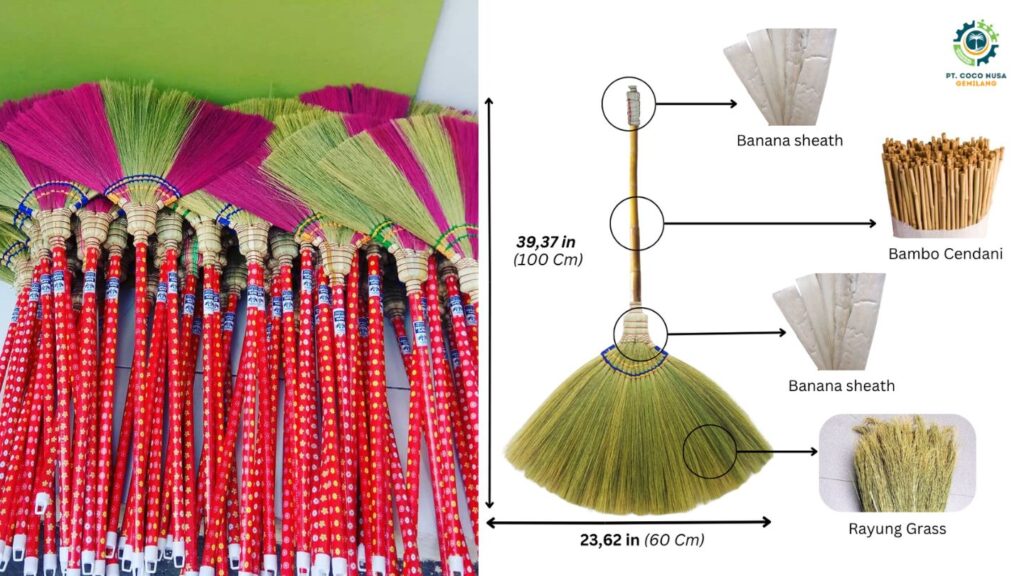
Handle materials also vary. Bamboo handles are common due to availability and strength. However, some buyers request polished wooden handles for a premium look. Length and diameter can be adjusted to meet ergonomic preferences.
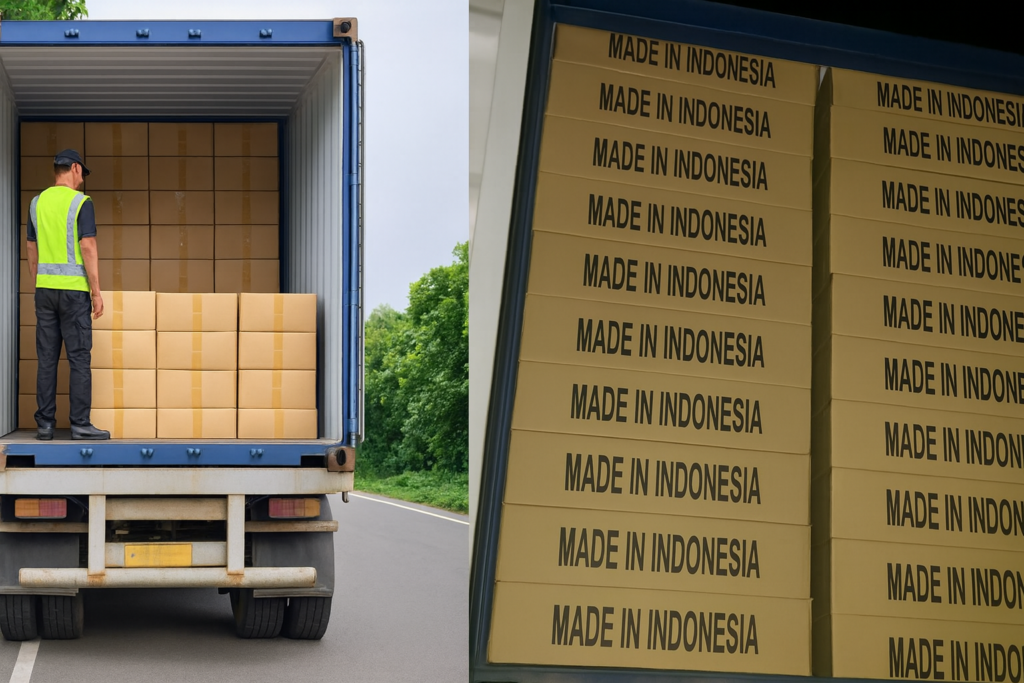
Packaging plays a role as well. Bulk buyers often prefer compressed packaging to reduce shipping costs. Retailers may require labeled bundles or individual wrapping. A supplier who accommodates these needs demonstrates flexibility and professionalism.
Pricing Considerations
Pricing in the grass broom industry depends on several factors. Raw material cost, labor, binding technique, and handle type all influence the final price. Additionally, order volume plays a significant role.
Smaller orders typically carry higher per-unit costs. Larger volumes allow suppliers to optimize production and reduce expenses. Buyers who plan long-term partnerships often secure better pricing over time.
Shipping terms also affect cost. FOB (Free on Board) pricing, for example, covers the product up to the port of shipment. Buyers then manage freight and insurance. Understanding these terms helps buyers compare offers accurately.
While low prices may seem attractive, they often signal compromises in quality. Durable brooms provide better value over time, reducing replacement frequency and customer complaints. A balanced approach—fair pricing with consistent quality—delivers the best results.
Sustainability and Environmental Impact
Grass brooms offer a clear advantage in sustainability. Made from natural materials, they decompose easily and require minimal chemical processing. This aligns well with global trends toward eco-friendly products.
However, sustainability depends on responsible sourcing. Suppliers must ensure that grass harvesting does not harm local ecosystems. Regulated harvesting cycles and proper land management help maintain long-term supply.
Packaging choices also matter. Reducing plastic use and adopting recyclable materials enhance environmental appeal. Buyers targeting eco-conscious markets should prioritize suppliers who share these values.
Challenges in the Supply Chain
Despite its advantages, the grass broom industry faces several challenges. Weather conditions can affect grass availability and quality. Heavy rains or droughts disrupt harvesting cycles.
Labor availability also plays a role. Skilled workers are essential for binding and finishing. A shortage of experienced labor can impact production capacity and quality consistency.
Logistics present another challenge. Delays at ports, container shortages, and fluctuating freight costs can disrupt delivery schedules. Suppliers with strong logistics networks handle these issues more effectively.
To mitigate risks, buyers should work with suppliers who maintain buffer stock and flexible production planning. Diversifying supply sources may also provide additional security.

Building Long-Term Partnerships
Successful sourcing goes beyond individual transactions. Long-term partnerships create stability for both buyers and suppliers.
Buyers benefit from consistent quality, better pricing, and priority production slots. Suppliers gain predictable demand and opportunities for growth. This mutual advantage encourages investment in quality improvement and innovation.
Trust forms the foundation of such partnerships. Clear agreements, transparent communication, and timely payments strengthen relationships. Occasional challenges are inevitable, but cooperative problem-solving ensures continuity.
Regular visits, whether physical or virtual, help maintain alignment. Seeing production processes firsthand builds confidence and provides insight into capabilities.
The Future of Grass Broom Supply
The future of the grass broom industry looks promising. Demand for eco-friendly products continues to grow. At the same time, traditional craftsmanship remains valued.
Suppliers who invest in quality control, efficient production, and strong communication will lead the market. Technology may play a supporting role, particularly in logistics and order management. However, the essence of the product—natural materials and skilled craftsmanship—will remain unchanged.
Buyers who understand these dynamics will make better sourcing decisions. They will prioritize reliability, adaptability, and long-term value over short-term savings.
Sebagai penutup, penting untuk bekerja sama dengan produsen yang tidak hanya memahami kualitas produk, tetapi juga kebutuhan pasar global. Coco Nusa Gemilang hadir sebagai grass brooms manufacture yang siap memenuhi kebutuhan ekspor ke berbagai wilayah seperti Asia, Eropa, dan Afrika. Selain itu, perusahaan ini mampu menyesuaikan spesifikasi produk sesuai permintaan pembeli, sehingga memberikan fleksibilitas dalam setiap kerjasama.
Lebih lanjut, Coco Nusa Gemilang menawarkan harga yang kompetitif dan transparan. Harga dapat disesuaikan dengan volume pemesanan, mulai dari USD 0.9 hingga USD 2 per piece (FOB Port Semarang, Indonesia). Dengan demikian, pembeli dapat mengoptimalkan biaya tanpa mengorbankan kualitas. Di sisi lain, sistem produksi yang terorganisir memastikan setiap pesanan diproses secara konsisten dan tepat waktu.
Untuk informasi lebih lanjut, Anda dapat langsung menghubungi tim pemasaran Coco Nusa Gemilang melalui email marketing@coconusagemilang.com atau nomor kontak +62 822-5788-5890. Oleh karena itu, jangan ragu untuk menjalin kerjasama jangka panjang yang saling menguntungkan, karena supplier yang tepat akan menjadi fondasi keberhasilan bisnis Anda.