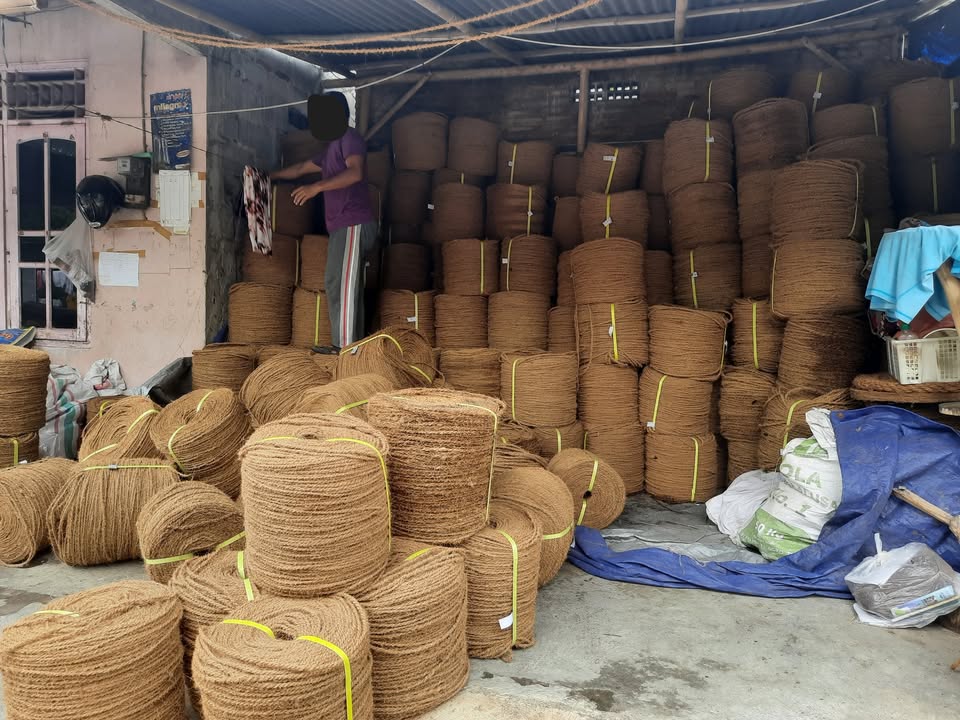

Cocorope is a natural rope made from coconut fiber, commonly known as coir. It is created by spinning the long, coarse fibers extracted from the outer husk of mature coconuts. These ropes are strong, flexible, and resistant to saltwater, making them ideal for various uses such as in agriculture, shipping, gardening, and even construction.
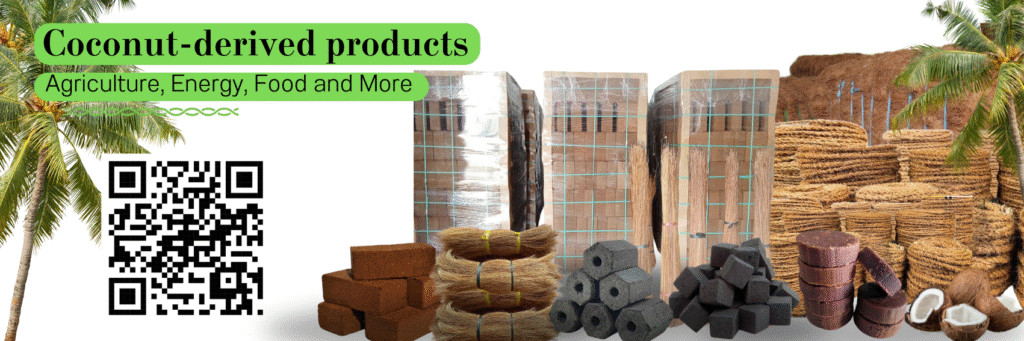
This eco-friendly product originates from the fibrous husk of coconuts, a material that is usually considered agricultural waste. Instead of being discarded, the husk is processed and transformed into durable rope through traditional and semi-mechanical methods. The production process supports sustainability and helps reduce environmental waste.
Indonesia produces cocorope in abundance because the country is one of the world’s top coconut producers. With millions of coconut trees spread across the islands, the supply of raw material is steady and renewable. Many local communities are involved in processing coir fiber, making cocorope not only a valuable export product but also a source of income for rural artisans.
You can obtain cocorope from Indonesia at a very competitive price. Thanks to the rich coconut resources and efficient local production, Indonesian cocorope offers both quality and affordability. Whether you are sourcing for industrial use or retail distribution, we are ready to supply cocorope in bulk with flexible packaging and shipping options tailored to your needs.
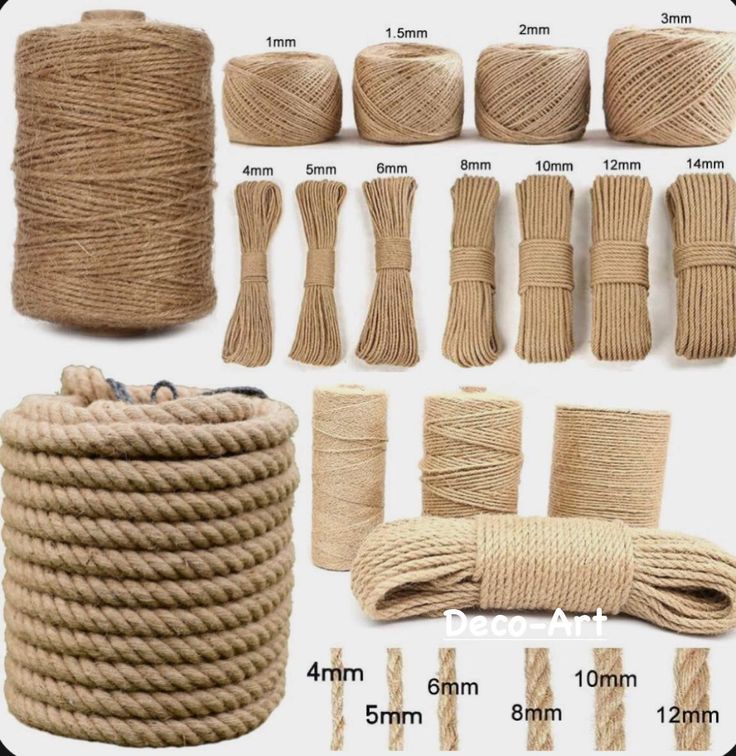
Coconut rope is a versatile and eco-friendly product
Coconut rope is a versatile and eco-friendly product made from the husk of coconuts, also known as coir. It has been used for centuries in various applications due to its strength, durability, and natural resistance to the elements. The fibers extracted from the coconut husk are woven or twisted into ropes. That are ideal for a range of practical and industrial uses. The popularity of coconut rope has been steadily increasing, especially with the global shift towards sustainable materials.
One of the main benefits of coconut rope is its strength. Coir fibers are known for their ability to withstand wear and tear, making them ideal for heavy-duty applications. Coconut ropes are often used in the shipping and boating industries. Due to their resistance to saltwater, UV rays, and abrasion. This makes them perfect for use in marine environments where other ropes may deteriorate quickly. The natural elasticity of coconut rope also allows it to stretch and recover, adding to its versatility in various uses.

In addition to marine applications
In addition to marine applications, coconut ropes are commonly used in agriculture, particularly for erosion control and soil reinforcement. The ropes are used to secure soil on slopes, preventing soil erosion during heavy rainfall. Coconut rope is also used in gardening and landscaping, where it can be woven into plant supports. Trellises, and even as a natural binding material for plants. Its biodegradable properties make it a preferable alternative to synthetic materials, which can harm the environment.
Coconut rope is also highly valued in the craft industry. It is often used to make rustic home décor, furniture, and decorative items. The natural, earthy texture of the rope makes it a popular choice for DIY projects. From creating stylish furniture pieces to producing braided baskets. Additionally, coconut rope can be used for art installations and design elements. Adding a unique touch to both indoor and outdoor spaces.
The sustainability aspect of coconut rope is a major draw for many industries. Since it is made from the byproduct of coconut processing. It is a renewable resource that helps reduce waste and supports the circular economy. By choosing coconut rope over synthetic alternatives, businesses and individuals can make a positive environmental impact. While still benefiting from a strong and durable product. As demand for eco-friendly solutions continues to grow, the use of coconut rope is expected to rise across various sectors, further promoting its importance in creating a more sustainable future.