
In an age defined by synthetic materials and automation, the natural broom seems almost symbolic—a reminder of craftsmanship, sustainability, and simplicity. Yet, this modest cleaning tool continues to hold strong relevance. Across many cultures, it represents not just function, but tradition, livelihood, and identity.
While plastic and machine-made cleaning products dominate global markets, demand for natural brooms persists, particularly among environmentally conscious consumers. People are beginning to see beyond the plastic sheen, returning to natural products that embody both purpose and principle. The story of the natural broom is, therefore, both ancient and timely.
A Cultural Artifact Rooted in Daily Life
The history of the natural broom reaches back centuries. In many regions—especially Asia, Africa, and Latin America—it became an extension of daily life. Each community developed its own materials and methods. Some used rice stalks or coconut sticks, others relied on broom grass or sorghum fibers.
These brooms were more than household tools. In villages, artisans passed down the craft from one generation to the next. Children learned how to tie stalks by hand, align fibers, and carve wooden handles. The result was a tool built with care and precision—designed to last, not to be discarded.
Even today, in rural Indonesia, Thailand, and India, the broom holds cultural significance. It symbolizes cleanliness, order, and even spiritual renewal. Many households sweep their floors at dawn, a ritual of starting fresh—physically and mentally.
Why Natural Still Matters
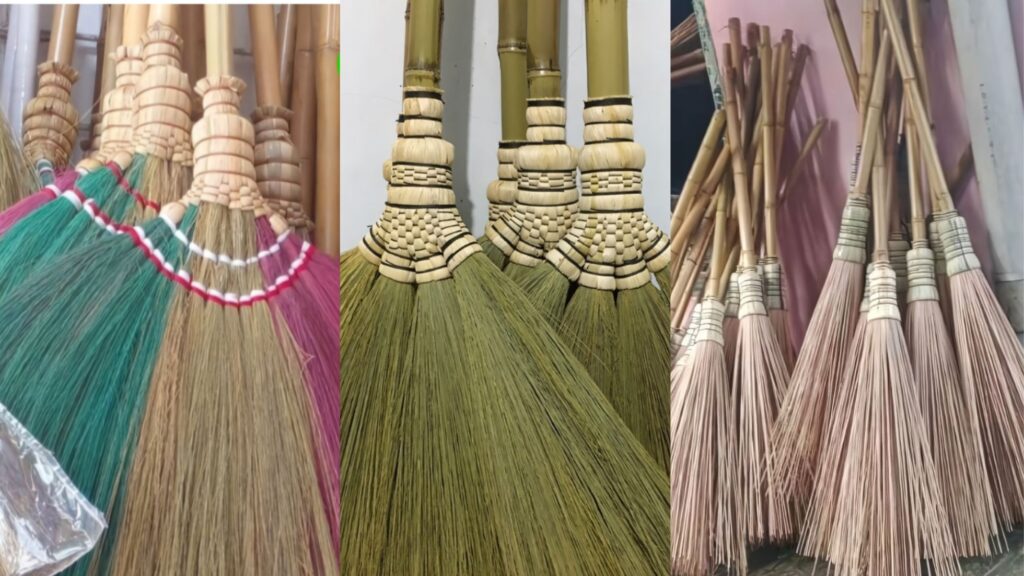
In modern markets, “natural” is often used as a marketing label. But when it comes to brooms, the difference is real and measurable. Natural brooms are made from organic plant fibers such as broom grass (Thysanolaena maxima), coconut midribs, or rice straw. Unlike plastic fibers, these materials are renewable, biodegradable, and locally sourced.
The environmental benefits are clear. Producing synthetic bristles requires petroleum-based materials and energy-intensive manufacturing. Natural broom production, on the other hand, supports low-emission processes and rural economies. Every broom made by hand is one less item contributing to plastic waste.
Beyond ecology, there is also a tactile difference. The texture of natural fibers offers effective sweeping on uneven surfaces. It captures dust and debris without scratching floors. For many users, the act of sweeping with a handmade broom feels more grounded—more human.
The Craft Behind Every Broom
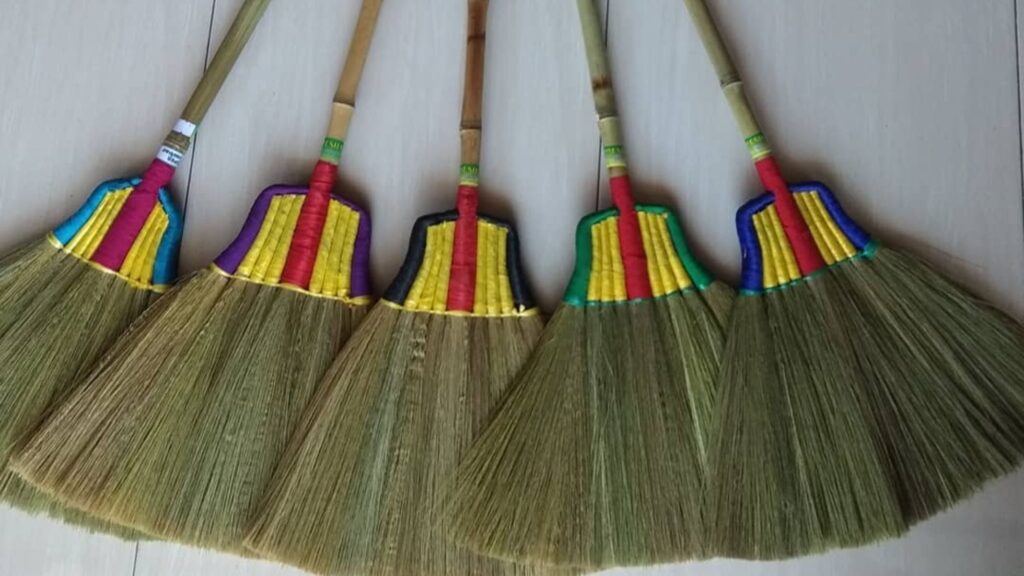
What distinguishes a natural broom is not only its materials but its craftsmanship. Making a high-quality broom is an art. It involves a series of precise, deliberate steps.
First, the fibers are harvested and dried under the sun. The process must be carefully timed. Too much moisture invites mold; too little leads to brittle stalks. Once dried, workers sort and trim the fibers by hand.
Next comes the binding process. Artisans arrange bundles in layers, aligning them evenly before tying them with wire or natural rope. A wooden or bamboo handle is then attached. Every knot and wrap reflects skill—nothing is automated.
Finally, the broom is shaped and finished. Edges are trimmed for symmetry, and the fibers are pressed to achieve a consistent spread. Each piece is unique, slightly different, yet bound by the same standard of care.
Handmade production preserves not only quality but also dignity in work. Each craftsman becomes part of a living tradition.
A Global Market with Local Roots
The natural broom industry thrives in countries with abundant raw materials—Indonesia, Vietnam, Thailand, India, and the Philippines. In these nations, rural communities depend on broom-making as a primary or supplementary income source.
Indonesia, for instance, has emerged as a leading exporter of broom grass products. The country’s diverse vegetation and tropical climate create ideal growing conditions. Broom grass, known locally as “ijuk rumput,” grows naturally on highland slopes and riverbanks.
This abundance allows small producers and cooperatives to flourish. Villagers gather the raw grass, dry it, and sell it to local manufacturers. From there, the fibers are transformed into finished products bound for export markets in Europe, Japan, and North America.
Interestingly, the global demand for natural brooms continues to expand, even in high-tech economies. As sustainability becomes a purchasing priority, consumers are drawn to handmade, eco-friendly products with transparent origins. The broom, once humble, now carries new prestige.
Sustainability Beyond the Label
Sustainability is more than a buzzword in the natural broom industry—it is a lived practice. Every stage, from harvesting to packaging, can be guided by ecological awareness.
Producers who work with natural materials must balance productivity with conservation. Cutting too much broom grass or coconut leaf can damage the ecosystem. Responsible manufacturers therefore set rotational harvesting schedules and work closely with local farmers.
Packaging, too, reflects this ethos. Many exporters now use recycled paper, biodegradable wrapping, or minimal packaging to reduce waste. Even the tools used in the production process are simple, often repurposed or handmade.
Such approaches not only reduce environmental impact but also appeal to a growing base of ethical consumers. They want assurance that the products they buy support fair labor and respect nature.
Innovation Within Tradition
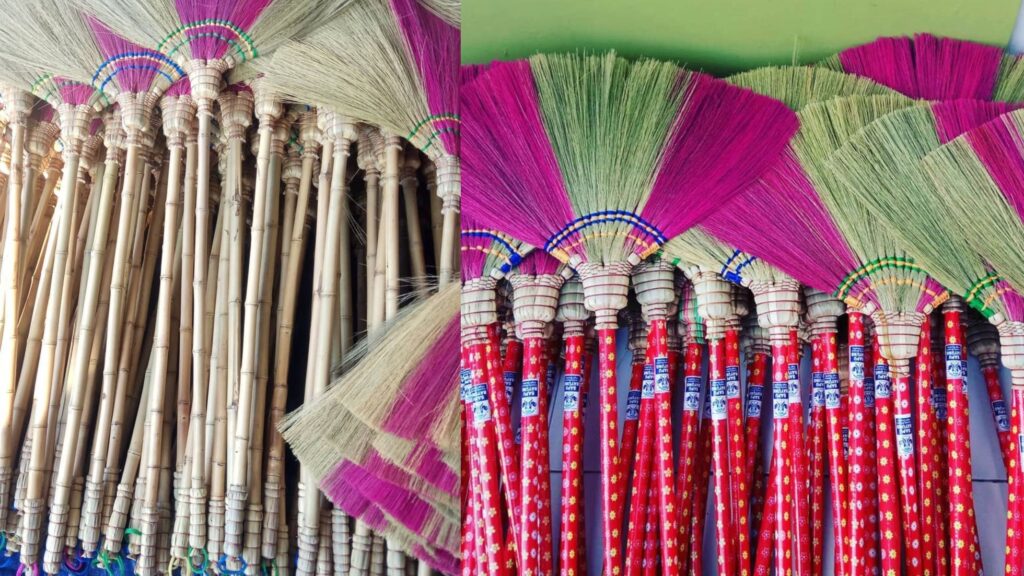
Although traditional craftsmanship defines the natural broom, innovation still plays a role. Producers are experimenting with ergonomic handle designs, improved binding materials, and modern quality control methods.
Some have introduced hybrid brooms that combine natural fibers with lightweight metal or bamboo handles. Others apply natural coatings to increase durability against humidity. In export markets, attention to design aesthetics also matters. Consumers in Europe or Japan may prefer minimalist finishes or color coordination that complements home décor.
Digital marketing has further transformed the landscape. Artisans who once sold locally can now reach international buyers through online marketplaces. Export-ready manufacturers in Indonesia and Vietnam use professional branding, certification, and logistics partnerships to meet global standards.
Innovation, however, does not replace tradition—it enhances it. The essential spirit of craftsmanship remains intact.
Economic and Social Impact
The natural broom industry supports thousands of families in developing regions. It provides opportunities for rural women, small-scale farmers, and home-based workers.
Unlike industrial factories, broom-making requires limited capital investment. A small workshop can employ five to ten people and operate sustainably. The skill set is accessible; training is done by observation and repetition. For many families, it becomes a reliable source of livelihood during agricultural off-seasons.
Export-oriented enterprises have also begun forming partnerships with cooperatives to ensure stable raw material supply chains. This collaboration creates circular value—where both the producers and the environment benefit.
In many ways, the broom embodies inclusive growth: simple technology, local resources, and shared prosperity.
From Village Craft to European Homes
Europe remains one of the most promising markets for natural brooms. The region’s environmental regulations and green consumer habits align well with the product’s values.
Buyers in countries such as Germany, France, and the Netherlands prefer items that are both functional and sustainable. They look for authenticity—handmade products with traceable origins.
Exporters who meet these expectations often find long-term clients. Certification systems such as FSC (Forest Stewardship Council) or fair-trade labels strengthen credibility. Packaging that tells the product’s story—the artisan’s name, the origin of the materials—adds emotional appeal.
For Indonesian producers, Europe represents not only a business opportunity but also recognition of cultural craftsmanship on a global stage.
Coco Nusa Gemilang: Upholding Craft and Sustainability
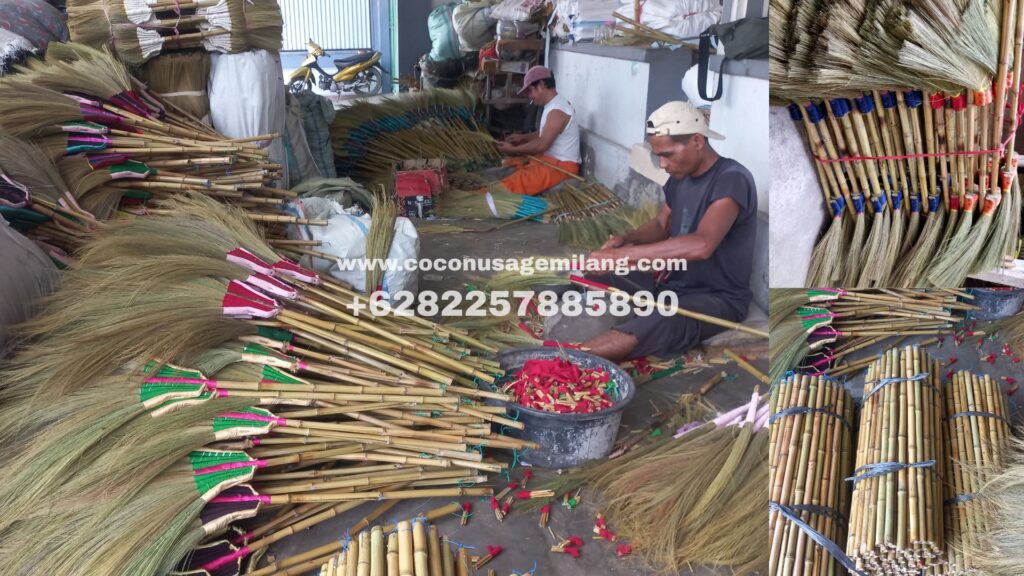
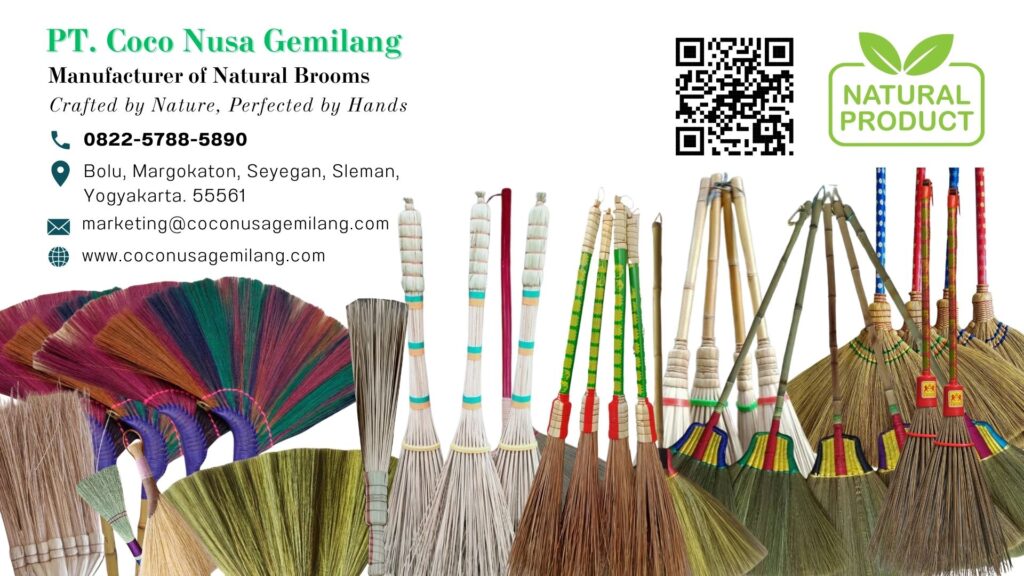
One company that embodies this philosophy is PT Coco Nusa Gemilang, an Indonesian manufacturer dedicated to producing high-quality natural brooms for the global market.
Located in the heart of Indonesia’s coconut-producing region, Coco Nusa Gemilang integrates traditional skills with modern production standards. Each broom is handmade by skilled artisans, using natural materials such as broom grass and coconut midribs sourced from sustainable farms.
The company’s commitment goes beyond craftsmanship. It prioritizes sustainability, fair labor, and quality assurance in every process. By maintaining direct relationships with local farmers, Coco Nusa Gemilang ensures ethical sourcing while supporting community livelihoods.
Every product reflects a balance between tradition and responsibility. The artisans work with precision, binding each layer by hand, ensuring consistent form and durability. The result is a broom that does not just clean floors—it carries a story of care and environmental respect.
As the company expands into European markets, its mission remains clear: to deliver natural, handmade brooms that embody Indonesian craftsmanship and meet international quality expectations.
Coco Nusa Gemilang is not only a manufacturer; it is a steward of heritage. Its brooms stand as symbols of both functional design and ecological mindfulness. For importers seeking authentic, sustainable products, the company offers a dependable partnership rooted in trust, transparency, and shared values.
The Future of the Natural Broom Industry
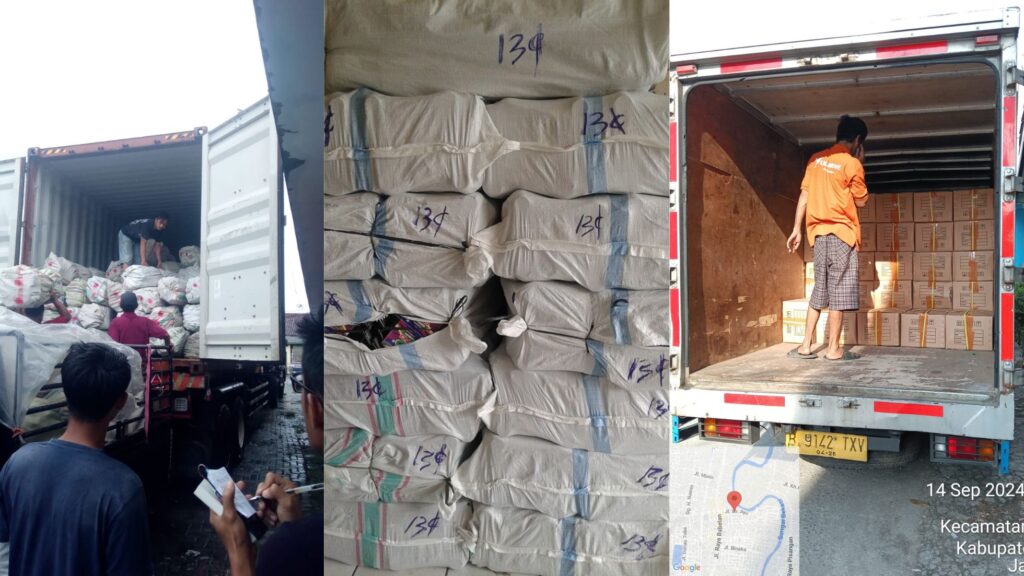
The next decade promises significant growth for the natural broom sector. As consumers shift away from plastic-based goods, demand for biodegradable alternatives will continue to climb.
Manufacturers that maintain authenticity while embracing innovation will thrive. The key lies in scaling responsibly—preserving craftsmanship while improving efficiency. Education and training will also be vital. Younger generations must see broom-making not as a relic, but as a viable, creative trade.
Moreover, government policies supporting rural industries can amplify this progress. Incentives for sustainable production, eco-certification, and small enterprise development will strengthen the supply chain.
Ultimately, the natural broom’s future rests on a simple truth: people still value what is real. In a disposable world, a handcrafted broom represents endurance—a product made with purpose and heart.
Conclusion
The natural broom’s story is one of resilience. It has survived modernization, automation, and the rise of synthetic alternatives. It remains relevant because it embodies the very values our modern world seeks to reclaim: sustainability, craftsmanship, and connection to nature.
In every handwoven strand and every polished handle, there is a message—quality is timeless. From village workshops in Indonesia to eco-conscious homes in Europe, the natural broom continues to sweep away not only dust but also the illusion that progress must come at the cost of authenticity.
And at the forefront of this quiet revolution stands PT Coco Nusa Gemilang, proving that sustainability and artistry can walk hand in hand—one handmade broom at a time.