Sustainable Craft Brooms of Indonesia: Hand-Built Quality and Ethical Production
Indonesia carries a long-standing tradition of handcrafting brooms from natural fibers. Across villages, small towns, and agricultural regions, skilled artisans transform simple plant materials into durable sweeping tools used in homes, commercial spaces, and industries. The cultural roots of broom-making run deep. Older generations learned the craft from family and community elders, then passed the knowledge to younger hands. As a result, the industry has evolved beyond household production into a reliable supply chain that connects rural craftsmanship with global buyers seeking ethical, sustainable, and high-quality goods.
Demand for natural brooms has risen, especially as consumers in Europe, Asia, and North America shift toward eco-friendly home products. Synthetic cleaning tools still dominate many markets, although a growing number of buyers now pay attention to environmental impact and product life cycle. In response, the Indonesian craft broom sector continues to refine design, durability, and production efficiency without compromising handmade authenticity. This balance between tradition and innovation positions Indonesia as a leading global source for natural sweeping products.
Key Materials and Regions
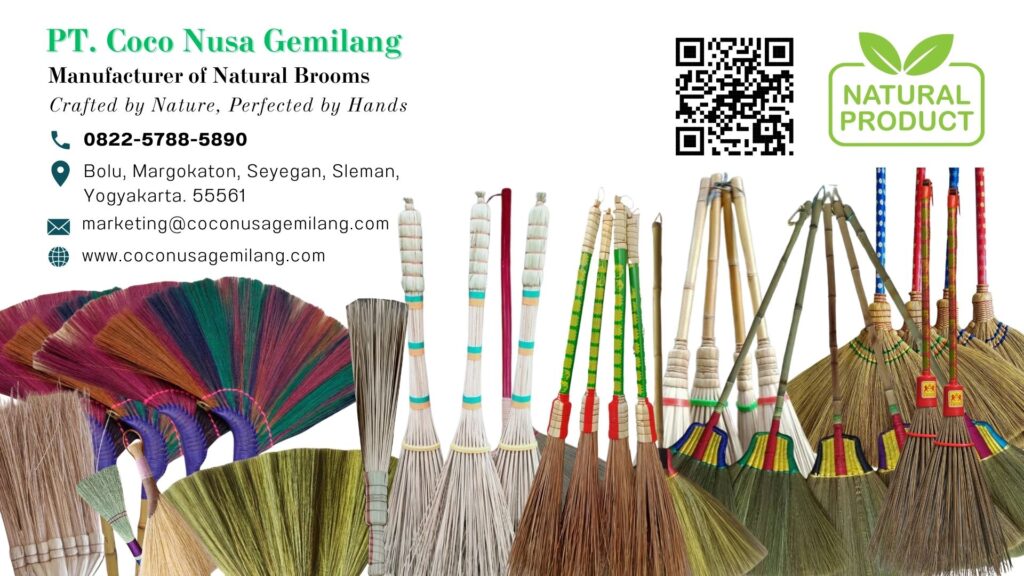
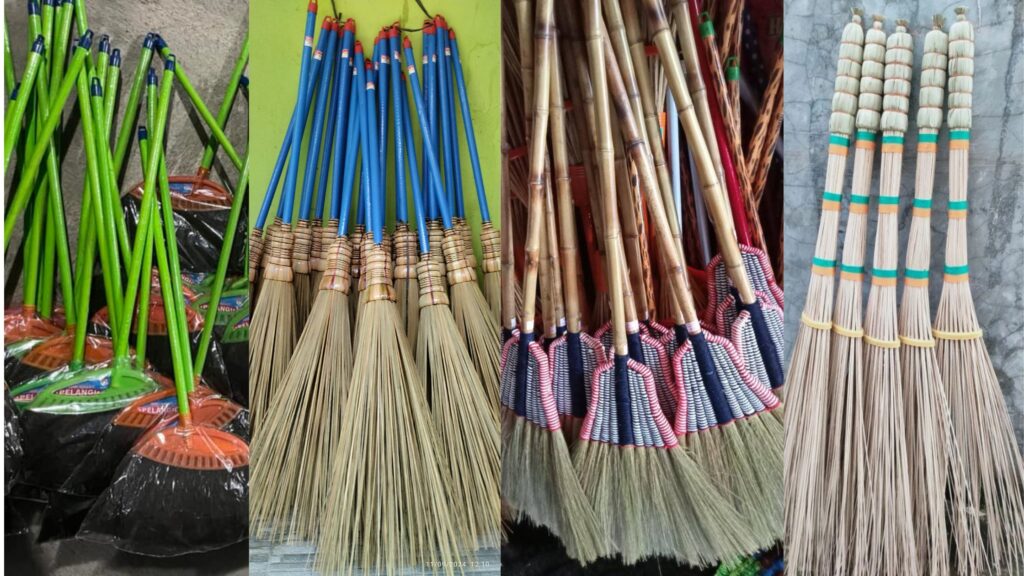
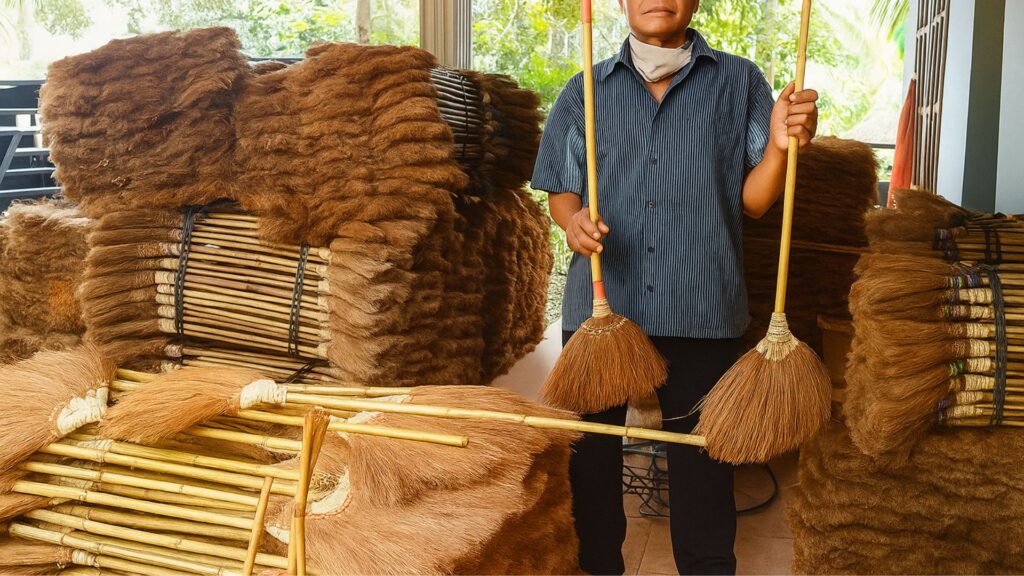
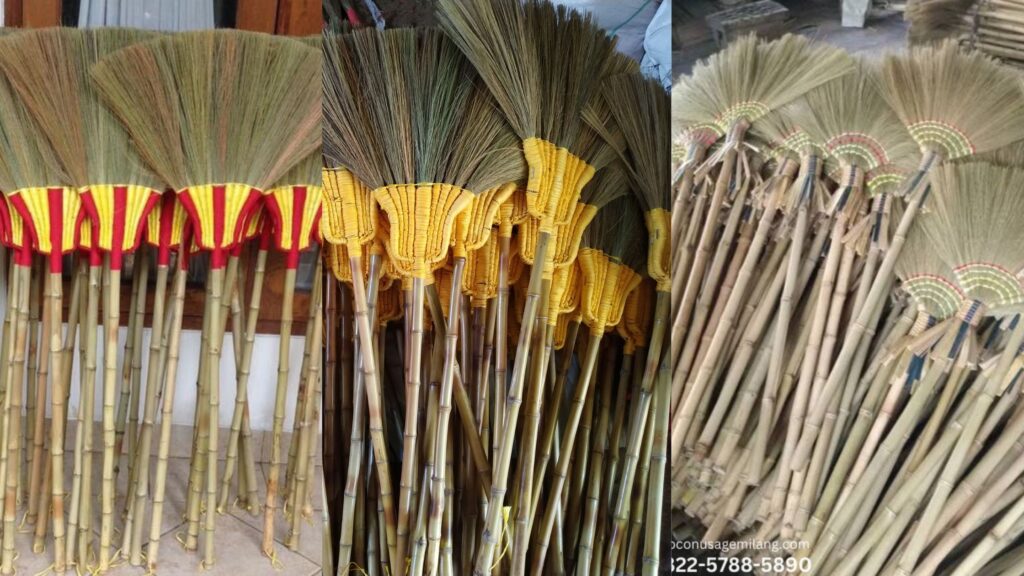
Indonesia offers a rich abundance of natural raw materials suitable for broom production. Grass broom fibers, coconut coir, palm leaf sticks, bamboo stems, and sorgum stalks represent the primary materials used by craftsmen. Each type brings distinct performance qualities. For example, broom grass provides flexible sweeping power for indoor use. Coconut fiber offers stiff and resilient bristles suitable for outdoor cleaning. Meanwhile, palm sticks serve as strong broom handles that remain lightweight and comfortable to hold.
Regions well known for these crafts include Central Java, West Java, East Java, Bali, Lombok, and South Sulawesi. Every area contributes unique weaving styles and finishing techniques. Farmers in rural villages harvest and prepare raw fibers, ensuring each bundle meets quality standards before artisans begin tying, shaping, and binding. Despite the growth of technology in manufacturing sectors, the heart of broom production in Indonesia remains firmly rooted in manual skill and patient workmanship.
Sustainability and Ethical Production
Growing environmental awareness motivates producers to adopt cleaner processes and natural resources. Craft broom makers in Indonesia rely on biodegradable plant fibers obtained from renewable agricultural waste. Many broom materials come from coconut plantations, grassfields, and palm farms that already support rural livelihoods. These fibers biodegrade easily, which aligns with international buyers who seek sustainable household goods.
Sustainability extends beyond materials. Ethical production practices are vital. Artisans in Indonesia often work within cooperative structures or family networks that prioritize fair labor treatment, skill preservation, and sustainable sourcing. Local producers invest in training programs, strengthen community employment, and promote responsible harvesting. This approach not only supports economic growth but also preserves cultural heritage.
Handmade Excellence
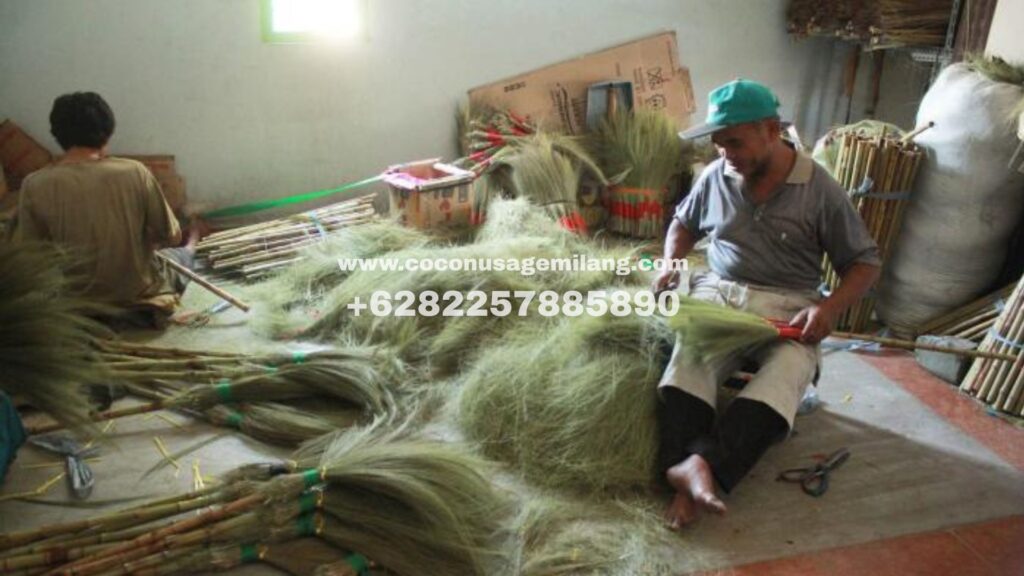
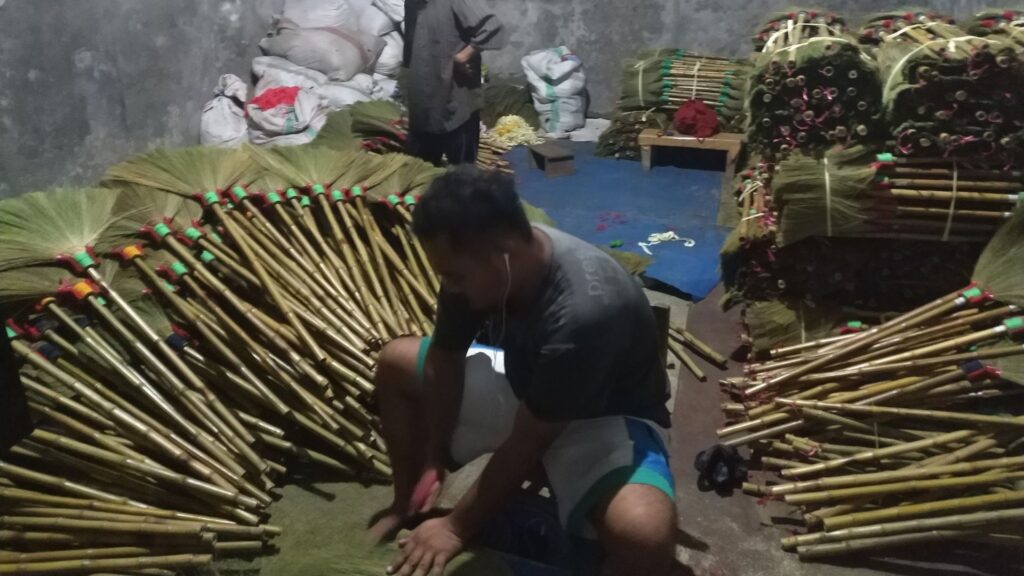
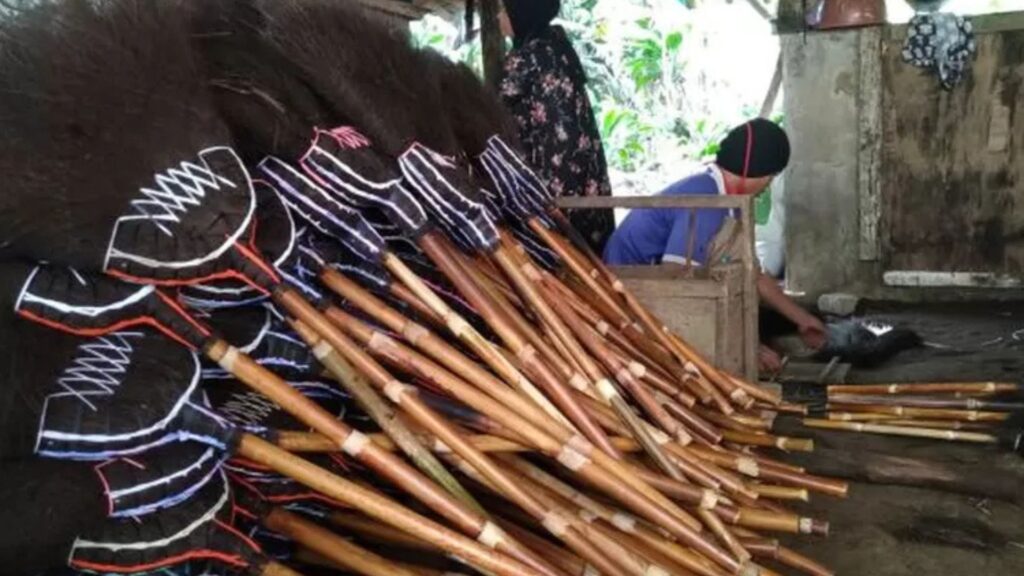
Every broom crafted in Indonesian workshops represents skill, precision, and patience. Artisans manually select fibers, tie bundles, secure knots, and trim edges to ensure uniform shape and strength. This method guarantees durability, since experienced craftsmen can feel fiber tension and adjust the process to achieve ideal tightness and balance. Industrial machines cannot replicate this refinement with the same cultural authenticity and tactile judgment.
Although handmade production takes time, it delivers superior results. A well-crafted natural broom can last longer than cheap synthetic alternatives, especially when used daily. Customers appreciate the authentic feel, smooth handle finish, and neatly aligned bristles. Using a handmade broom invites connection to the human effort behind the object.
International Market Growth
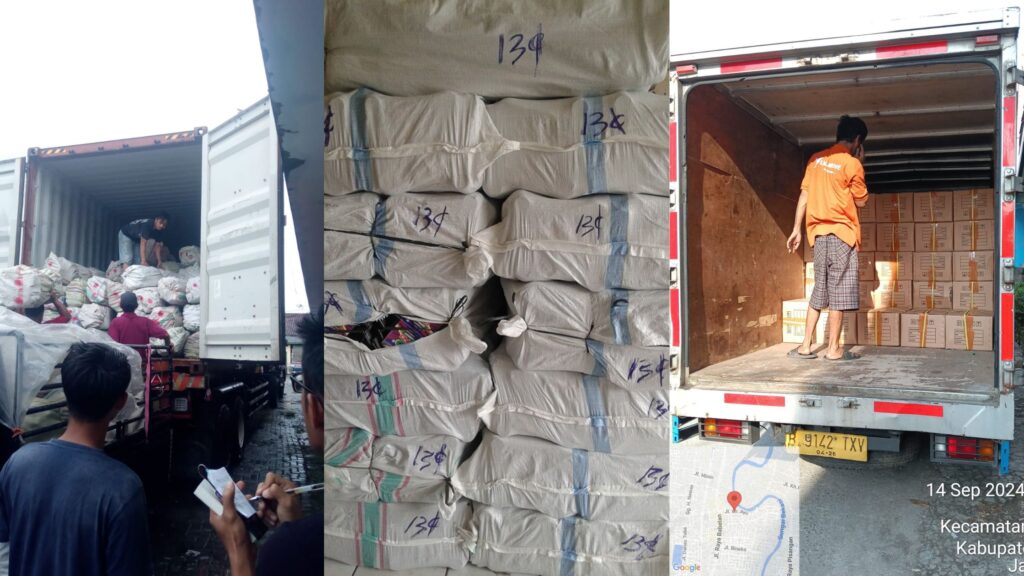
Global interest in Indonesian craft brooms continues to expand. European buyers seek artisanal cleaning tools due to the region’s strong sustainability culture. Retail chains, boutique home-goods stores, and eco-product distributors source from Indonesian producers who guarantee traceability and ethical standards. Export-ready manufacturers comply with shipping, packaging, labeling, and quality specifications that international clients expect.
Coco Nusa Gemilang stands among these forward-thinking manufacturers. The company operates as a craft broom producer in Indonesia, ready to supply export markets, including Europe. Every broom from Coco Nusa Gemilang is handmade with care, using carefully selected natural materials. Commitment to sustainability and craftsmanship guides the entire production process. As a result, customers receive products that combine artisanal integrity with reliable commercial scale.
Competitive Advantages of Indonesian Craft Brooms
Buyers consistently value Indonesian craft brooms for several reasons. First, natural raw material availability ensures consistent supply. Tropical climate supports year-round cultivation of coconut, grass, and palm resources. Second, Indonesian artisans maintain exceptional skill. Their weaving techniques have improved through generations, which contributes directly to product performance. Third, Indonesia offers competitive production costs without sacrificing work quality. Global clients enjoy favorable pricing compared to other artisan-producing regions.
The industry also adapts to global market preferences. Custom handle lengths, ergonomic grips, thicker fiber bundles, and refined finishing touches allow buyers to request specifications suitable for various markets. Export suppliers also invest in quality control. Inspections take place at every stage, from fiber sorting to final packaging.
Community Empowerment and Cultural Value
Craft broom making holds cultural importance in Indonesia. Families view the craft not just as work, but as a way to maintain dignity and contribute to their communities. Many artisans rely on broom production to support education, healthcare, and daily living expenses. Young workers entering the field bring new ideas, such as product branding, packaging design, and e-commerce. Their involvement blends traditional handcrafting with modern business strategy.
Community empowerment programs frequently partner with broom artisans. Training initiatives help improve efficiency, waste management, and quality consistency. Cooperatives also share resources, which strengthens bargaining power and market access. This collaborative spirit protects the craft from industrial displacement and supports a stable livelihood for rural families.
Challenges and Industry Outlook
Although the future looks promising, the industry faces obstacles. Rising logistics costs, export compliance processes, and competition from factory-made products create pressure. Skilled labor shortage also threatens traditional craft sectors worldwide. Some young workers pursue urban jobs, which risks reducing artisanal skill availability. However, the rising global appreciation for handmade goods creates motivation to preserve and grow the craft broom sector.
Forward-looking companies emphasize innovation and environmental compliance. Coconut coir washing systems, fiber drying techniques, and natural dye usage reflect ongoing improvements. Local producers also explore partnerships with fair-trade organizations and eco-labels. These collaborations build trust among European buyers, who value transparency and responsible sourcing.
Choosing an Indonesian Craft Broom Supplier
International buyers searching for reliable craft broom suppliers should evaluate several factors. Product quality remains the top priority. Buyers should look for suppliers who master fiber selection, binding strength, and finishing craftsmanship. Next, export capability matters. Packaging, documentation, and compliance experience reduces risk for overseas orders. Transparent communication also plays a key role in successful business relationships. A good supplier responds clearly, shares production timelines, and meets commitments.
Coco Nusa Gemilang represents a strong example of such a supplier. The company integrates traditional workmanship with export professionalism. Every broom is crafted by hand and inspected for consistency. Production teams uphold strict quality control steps to ensure fiber durability and tidy finishing. Sustainability is not a marketing phrase for the company. It is a principle reflected in careful material sourcing, skilled local labor, and environmentally conscious production methods. Buyers seeking long-term cooperation will find trust, reliability, and value in partnering with Coco Nusa Gemilang.
Conclusion
Indonesia remains a vital center for natural craft broom production. Its combination of renewable resources, skilled artisans, cultural heritage, and ethical practices creates a compelling proposition for international buyers. Demand for sustainable home products continues to rise, and Indonesian broom manufacturers are prepared to meet this global shift. Handmade quality, responsible sourcing, and export readiness define the future of the craft broom industry in the country.
Coco Nusa Gemilang stands ready to supply handcrafted brooms to global markets, particularly Europe. The company’s unwavering commitment to quality and sustainability reflects the spirit of Indonesian craftsmanship. Clients who choose handmade brooms from Indonesia not only receive a functional product, they support communities, protect cultural heritage, and contribute to a greener future.