Natural Fiber Excellence: Indonesia’s Coir Broom Producers Leading Eco-Friendly Innovation
Coir brooms have a quiet presence in daily life. Simple tools, often overlooked, yet they carry stories of labor, culture, and sustainable industry. Indonesia has become one of the most notable producers of coir brooms, thanks to its rich coconut resources and generations of skilled artisans. The industry continues to evolve, attracting international buyers who appreciate quality and traceability.
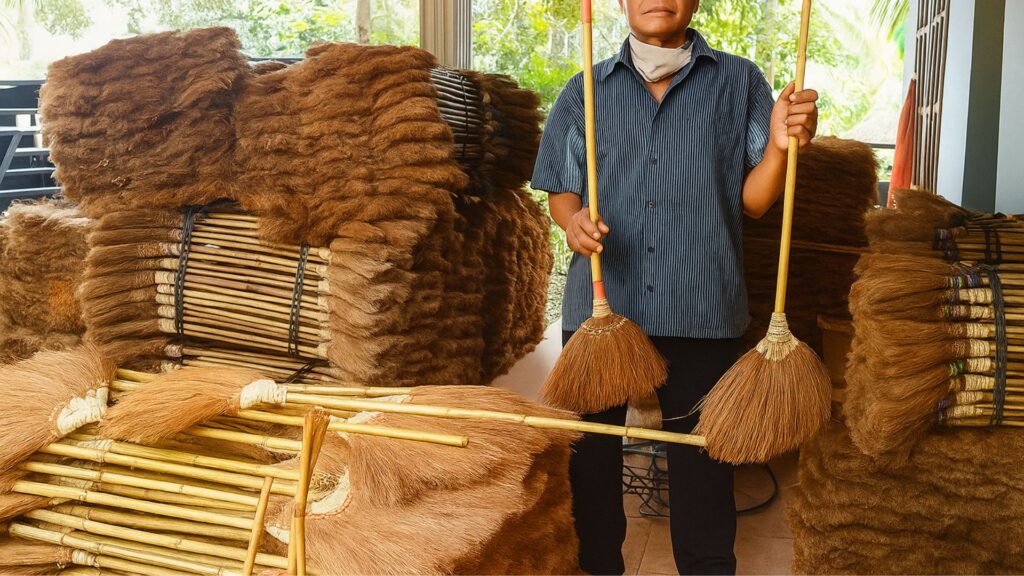
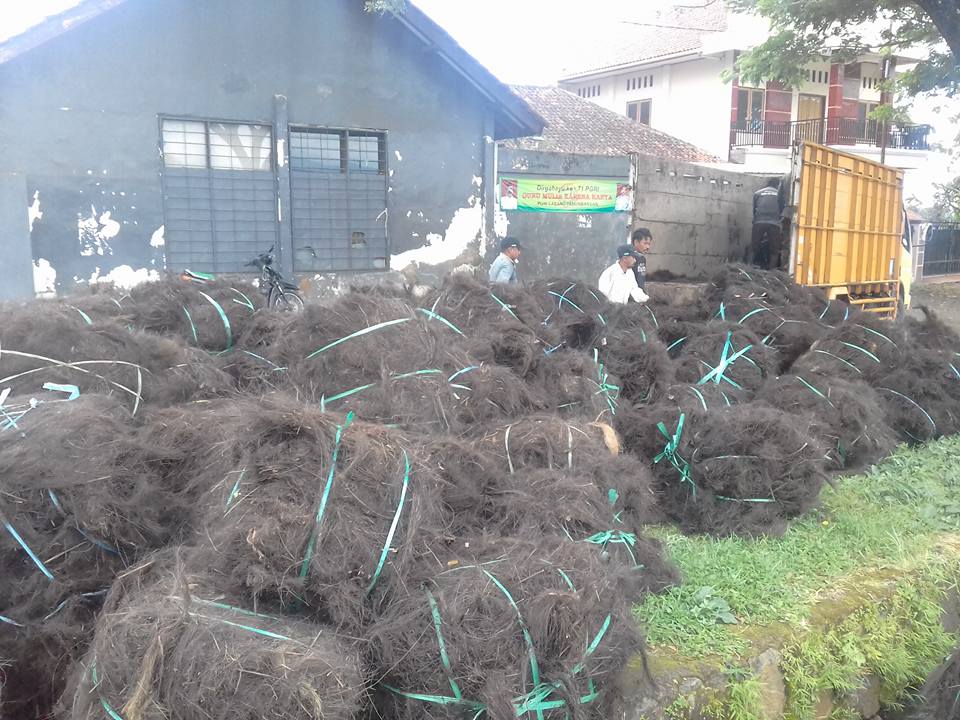
The country holds an abundant supply of coconut husks, which form the core raw material for coir fiber. Rural communities across Java, Sulawesi, Sumatra, and Bali transform this natural waste into valuable fiber. Their efforts turn agricultural by-products into durable cleaning tools. This synergy of nature and craftsmanship fuels a sector rooted in environmental responsibility. As sustainability becomes a global priority, Indonesia’s coir broom industry gains more recognition.
Heritage Rooted in Coconut Culture
Coconut trees have long shaped Indonesia’s agricultural identity. Coir production emerged from necessity, as villagers sought practical uses for coconut husk. Over time, the practice matured into a structured industry. Each broom reflects agricultural heritage and skill developed over generations. Local artisans learned from elders who understood natural fibers, humidity behavior, and proper drying techniques.
Modern consumers look for authenticity and eco-friendly solutions. These preferences align with coir broom culture. Rather than rely on plastic and synthetic fibers, users choose biodegradable household tools. The shift in mindset supports traditional labor and rural livelihoods. This cycle preserves cultural relevance while promoting environmental health.
A Detailed Production Journey
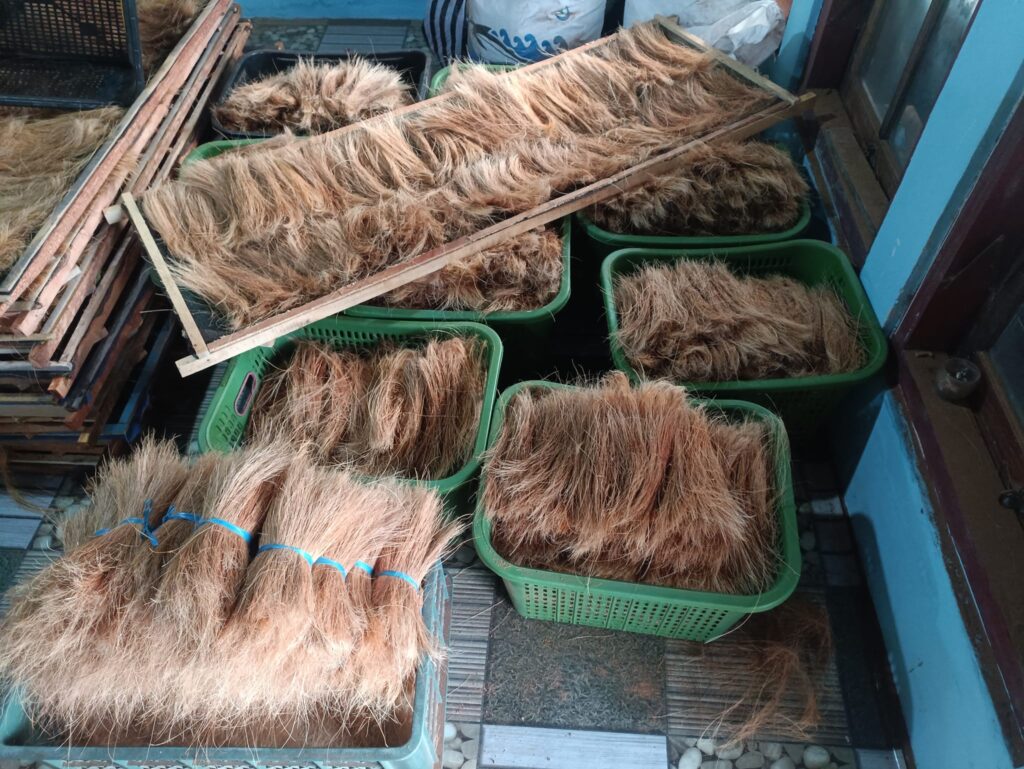
Transforming coconut husk into a quality coir broom requires time and expertise. First, artisans soak and cure the husk. Water softens fibers and allows separation. After that, skilled hands extract coir strands through scraping or mechanical decortication. The fibers then dry under controlled sunlight or shaded airflow to maintain strength and elasticity. Every stage demands keen observation. Weather variation affects drying pace, so artisans adapt daily.
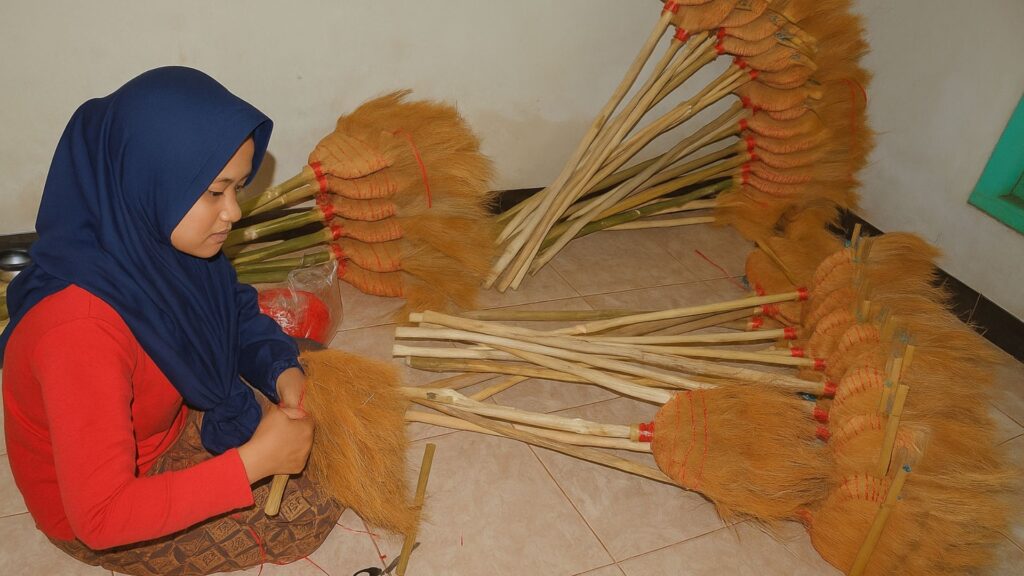
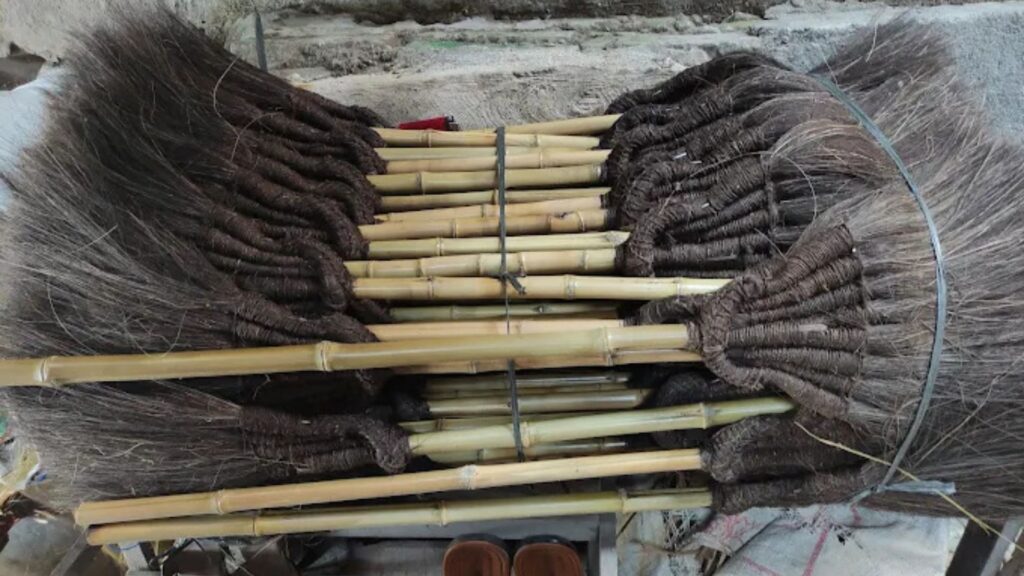
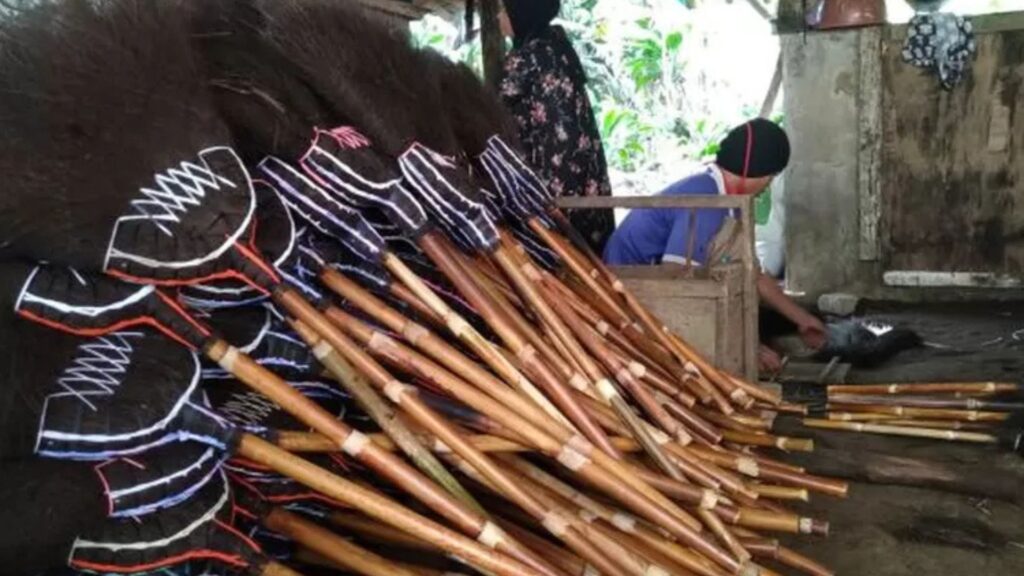
Once fibers reach the correct texture, they are bundled, combed, and trimmed. Binding takes place by hand, where workers secure fiber clusters around a wooden handle. This handmade approach ensures a firm grip and dense bristle formation. Quality inspection follows, checking uniformity, strand tightness, and surface finish. Through consistent manual care, each broom achieves durability beyond cheap mass-produced alternatives.
Handmade Commitment to Quality
Many Indonesian coir broom producers operate on community-based systems. Families participate in husk processing, fiber sorting, tying, and packing. Artisans treat their craft with pride. They value precision and material integrity. Handmade production also allows careful quality control at every touchpoint. Instead of rushing volume, producers focus on longevity and customer satisfaction.
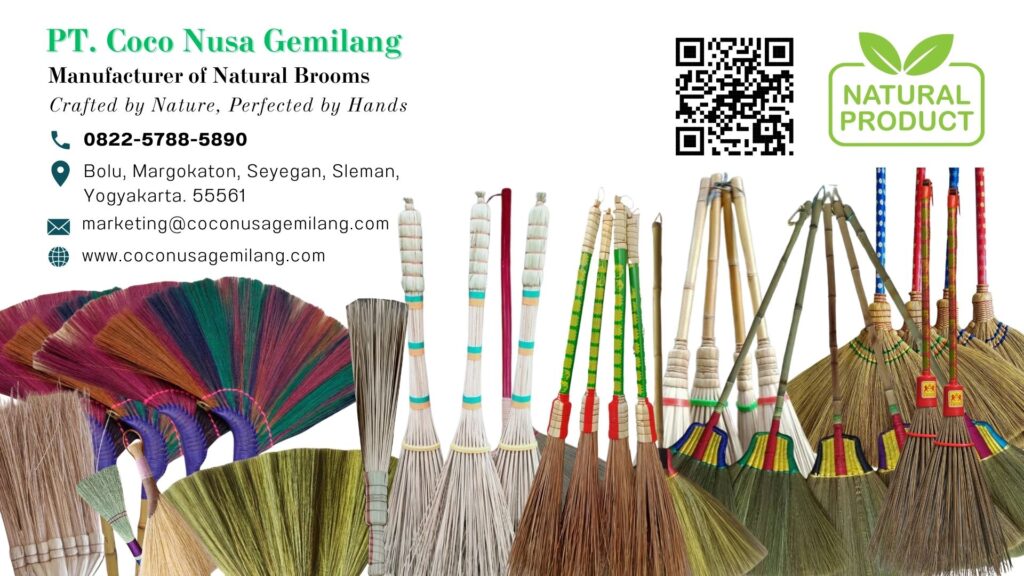
Coco Nusa Gemilang stands out as a manufacturer that embraces this philosophy. The company produces handmade coir brooms and maintains strict quality standards. Every broom reflects dedication to sustainability and craftsmanship. Coco Nusa Gemilang also positions itself as a reliable coir broom manufacturer ready to supply export markets across Europe. Their workforce pays attention to fiber consistency and handle ergonomics. Through traditional methodology and modern quality oversight, they ensure customers receive brooms built to last.
Sustainability as Core Identity
Sustainability sits at the heart of the coir industry. Coir fiber is biodegradable, renewable, and produced without toxic additives. Coconut husk that might otherwise go to waste becomes valuable material. This reduces agricultural residue and supports circular economic principles. Producers also reuse water during soaking whenever possible, and solar drying reduces energy consumption.
Environmental benefit stretches beyond raw material. Coir brooms, when worn out, decompose naturally unlike plastic cleaning tools that remain in landfills. Choosing coir aligns with green lifestyle goals and zero-waste principles. Consumers who prioritize environmental responsibility see this as a meaningful choice. Indonesia’s climate leadership narrative gains credibility through industries like coir broom manufacturing.
Meeting Global Market Expectations
Demand for natural cleaning tools continues to rise in Europe, the Middle East, and Asian urban centers. Buyers look for products that provide ethical sourcing and transparent supply chains. Indonesian producers respond with compliance measures such as standardized fiber grading, product labeling, and export documentation.
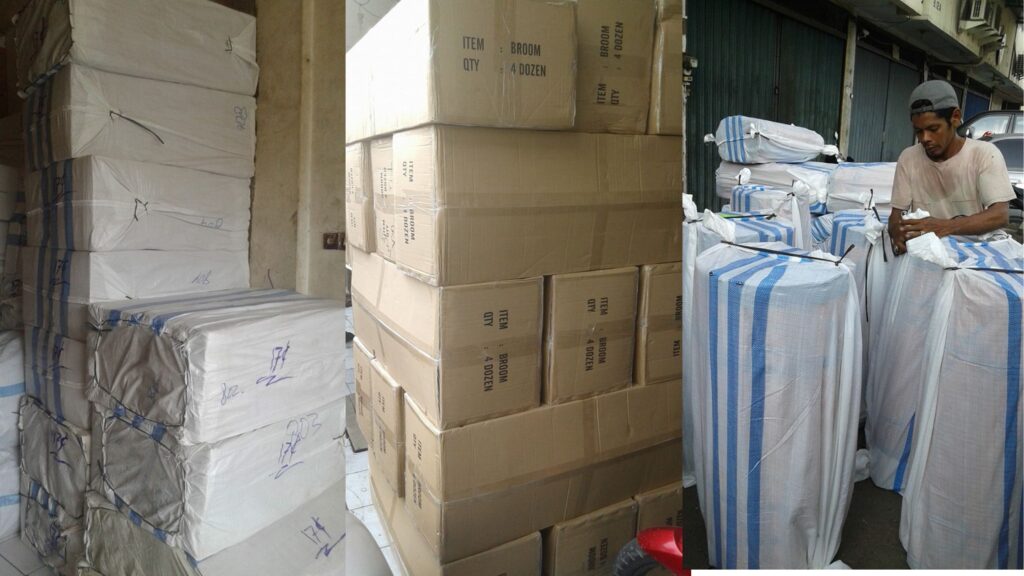
Coco Nusa Gemilang maintains readiness to support international logistics, packaging standards, and certification requirements. Their export-oriented approach includes continuous improvement and customer communication. Through structured quality control, they align artisanal production with global expectations.
Socioeconomic Impact in Rural Communities
The coir broom ecosystem supports livelihoods in remote areas. Villagers earn stable income through fiber extraction, broom tying, and handle assembly. That income strengthens rural economies, allowing families to invest in education, healthcare, and community development. More importantly, this work preserves meaningful cultural skills.
Indonesia’s government also recognizes the value of small and medium enterprises linked to natural fiber production. Support frameworks exist for training, equipment upgrades, and trade facilitation. When rural communities succeed, the nation achieves inclusive growth. Coir broom production stands as a practical example of grassroots industry driving economic resilience.
Evolution and Innovation Potential
While tradition guides the industry, innovation continues. Some producers experiment with ergonomic handles, reinforced fiber binding, or blended natural fibers to enhance sweeping power. Packaging improvements support export visibility. Branding strategies now highlight artisanal identity and sustainability themes.
Digital platforms help connect producers and buyers. Catalogs, sampling programs, and real-time communication improve trade relationships. The next stage of development could include automated fiber preparation and moisture-controlled storage facilities to ensure consistent product delivery throughout the year. Nevertheless, manual binding and finishing will likely remain central due to the craftsmanship value they carry.
Challenges Within the Sector
Despite strong potential, the coir broom industry faces hurdles. Climate variability affects drying cycles and fiber quality. Consistent raw material supply also requires efficient agricultural coordination. Producers must compete with low-cost synthetic brooms, which appeal to price-driven markets.
Another challenge lies in labor sustainability. Younger generations may seek different career paths. To address this, companies and communities can invest in vocational programs, fair wages, and improved working conditions. Transparency in labor practices enhances reputation and secures long-term workforce engagement.
The Role of Responsible Buyers
Buyers influence industry direction. Conscious purchasing supports artisans and helps protect natural resources. International partners who value environmental compliance and fair trade help foster ethical production. Coir broom buyers can contribute by offering long-term contracts, providing feedback, and promoting product transparency.
Coco Nusa Gemilang encourages collaboration with distributors and importers who appreciate sustainable craftsmanship. Through partnership, they aim to expand global recognition for Indonesian coir products. Their commitment stretches beyond profit. They seek to promote ethical sourcing, cultural preservation, and environmental stewardship.
Cultural Pride in a Simple Household Tool
A coir broom may seem like an ordinary household item. Yet behind each handle and fiber bundle lies a journey of heritage, resilience, and innovation. Consumers who understand this journey gain deeper appreciation for everyday objects. That awareness strengthens cultural respect, supports small economies, and elevates simple tools into symbols of responsibility.
In Indonesia, coir brooms represent humility and purpose. People use locally sourced material with care and intention. The craft teaches patience, resourcefulness, and respect for nature. These principles align with global trends toward meaningful consumption and environmental mindfulness.
Looking Ahead
The future of Indonesian coir broom production looks promising. Growth in eco-friendly living, combined with digital commerce, expands market potential. Producers who adopt transparency and maintain quality will thrive. Meanwhile, artisans continue shaping each broom by hand, blending tradition with global demand.
Coco Nusa Gemilang demonstrates how ethical production and export readiness can coexist. Their handmade approach and sustainability commitment create value for customers and communities. Through innovation, authenticity, and responsible partnership, Indonesia’s coir broom industry stands ready to serve a world seeking cleaner living in both literal and ethical senses.
Conclusion
Indonesia’s coir broom story bridges tradition and global opportunity. Locally grown raw material, manual craftsmanship, and strong environmental values form its foundation. International markets increasingly look toward responsible producers, and Indonesian artisans are prepared to meet expectations through skill and dedication.
A simple broom becomes more than a tool. It becomes a symbol of sustainable development, cultural pride, and meaningful labor. This combination positions coir brooms not only as practical products, but as ambassadors of ethical industry. The world benefits when producers, buyers, and consumers choose sustainable pathways. Indonesian coir brooms offer that path with sincerity and natural grace.
Partner With Us for International Supply
If you see strong potential in these natural coir broom products and wish to introduce them into your market, we welcome international cooperation with serious distributors and buyers from any country. Do not hesitate to contact us to discuss competitive pricing, long-term supply opportunities, and partnership terms. We are ready to support your growth and ensure a smooth export process.