The Enduring Place of Brooms in Human Civilization
People often overlook humble objects that quietly shape daily life. A broom rarely claims attention, yet humanity has relied on it for millennia. Every civilization, from ancient Egypt to modern urban apartments, has embraced some form of broom. While technology continues to push boundaries, sweeping endures as one of the most universal gestures of care for space. Clean floors speak to dignity. A tidy courtyard sets the tone for a day. Precision in handcrafted broom work still represents cultural pride in many regions. This tool remains an example of how simple design can deliver enduring utility.
Human societies never treat cleanliness as a trivial detail. Hygiene links to health, organization, ritual, and social order. In many cultures, sweeping once symbolized spiritual clearing and preparation for new beginnings. Even now, people instinctively sweep before gathering with guests, before celebrations, and before prayer. Modern cleaning equipment may have become sophisticated, yet no machine carries the same graceful accessibility. A broom demands only human effort, and in return, it becomes part of daily rhythm. In that simple bargain exists longevity no technology has defeated.
Modern eyes sometimes assume that progress equals automation. That narrative misses the deeper truth: tools succeed not only through innovation but through cultural compatibility. A broom fits almost any environment. Remote rural homes, densely populated cities, warehouses, temples, and schools rely on it for quick and quiet cleaning. Unlike machines, brooms need no electricity and produce no noise pollution. Moreover, sweeping allows a person to maintain connection with their environment. Dust patterns, fallen leaves, wood shavings, grain husks, coconut fibers, or city grit all tell a story about place. That awareness fosters a sense of stewardship.
Material Intelligence and Design Evolution
Traditional brooms reflect the materials available to each region. Sorghum in Asia and the Middle East, coconut fiber in tropical nations, birch twigs in Northern Europe, and rice straw in Japan all mirror local ecology. Craftspeople historically used what nature offered, transforming plant by-products into functional domestic tools. This practice demonstrates early sustainability long before the term became fashionable. Natural bristles grip dirt without scratching surfaces. Flexible plant fibers adapt to uneven terrain. Wooden handles offer comfortable grip and longevity. Such choices reveal refined material intelligence.
Industrial manufacturing reshaped broom production, yet it also created new appreciation for artisan value. Mass-produced plastic brooms introduced affordability and convenience, although environmental concerns later shifted public preference. Natural brooms returned to prominence as consumers sought biodegradable, renewable options. Minimal waste production and organic texture appeal to contemporary eco-aware buyers. These choices signal not nostalgia but conscious return to wisdom that balances function, culture, and environment.
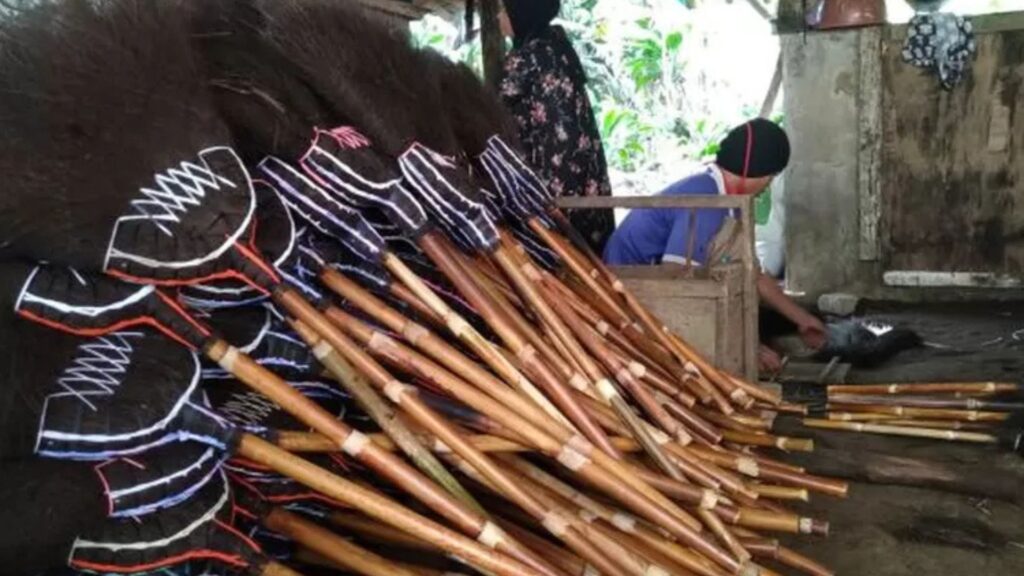
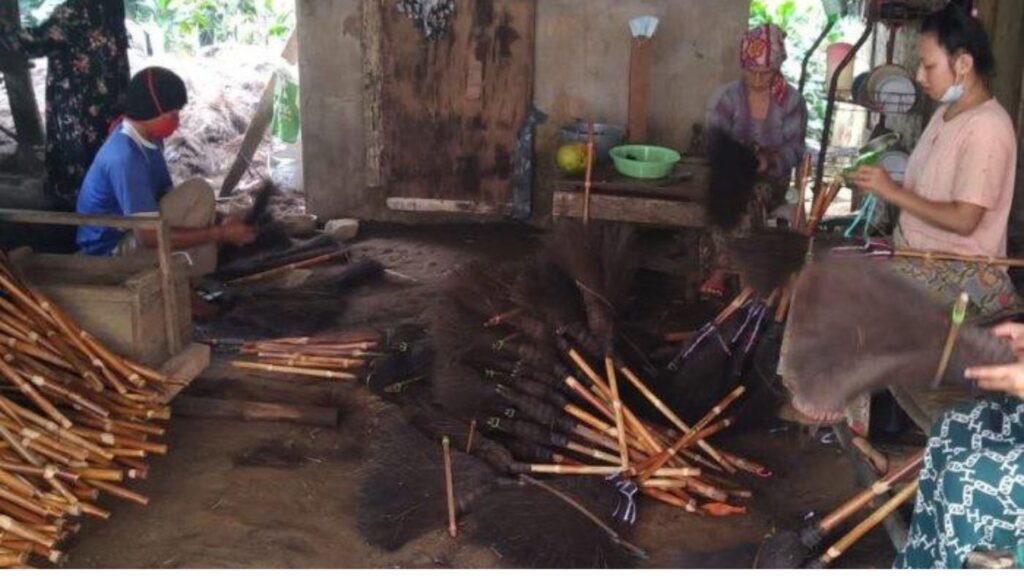
As cities grow and environmental regulations tighten, demand rises for biodegradable cleaning tools. Institutions with sustainability targets, boutique hotels, restaurants, and eco-focused retailers increasingly prefer natural broom stock. This transition encourages broom-making communities to maintain traditional skills. Skilled binders, sorters, and finishers bring tactile expertise that machines cannot entirely replace. In many countries, broom production helps preserve rural employment opportunities and local craftsmanship. Rather than disappearing in the face of industry automation, broom-making adapts.
Sociocultural Identity in a Simple Tool
No object becomes universal without gaining symbolic value. Across cultures, sweeping represents respect for shared spaces. In Indonesia, Thailand, India, and Vietnam, morning sweeping forms part of community ritual. Early hours begin with gentle strokes and the sound of bristles across stone or tile. This sensory tradition marks the transition between rest and activity. Similarly, Japanese traditions embed sweeping in Zen practice, emphasizing mindfulness and readiness. People learn that order in the external world supports order in the internal one.
Folklore and customs enrich the broom’s narrative. Many households worldwide believe sweeping during certain times affects prosperity or luck. Folktales reference brooms as powerful domestic symbols. Ceremonies in parts of Africa include broom gestures to signify unity and renewal. Even in Western culture, bridal couples historically “jumped the broom” to mark commitment. Through such practices, the object transcends function and enters emotional and symbolic territory.
The Contemporary Broom Market and Global Trade Dynamics
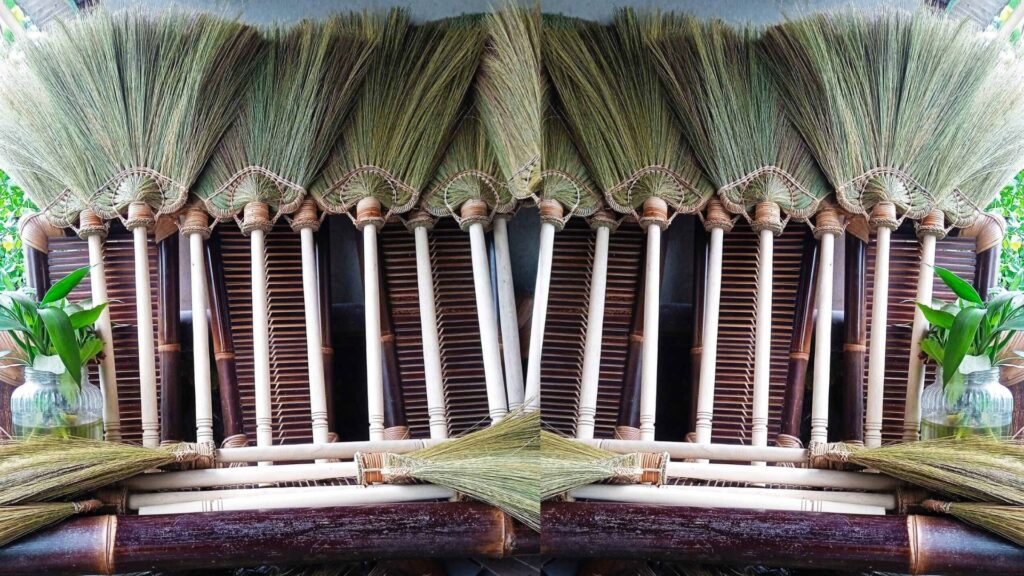
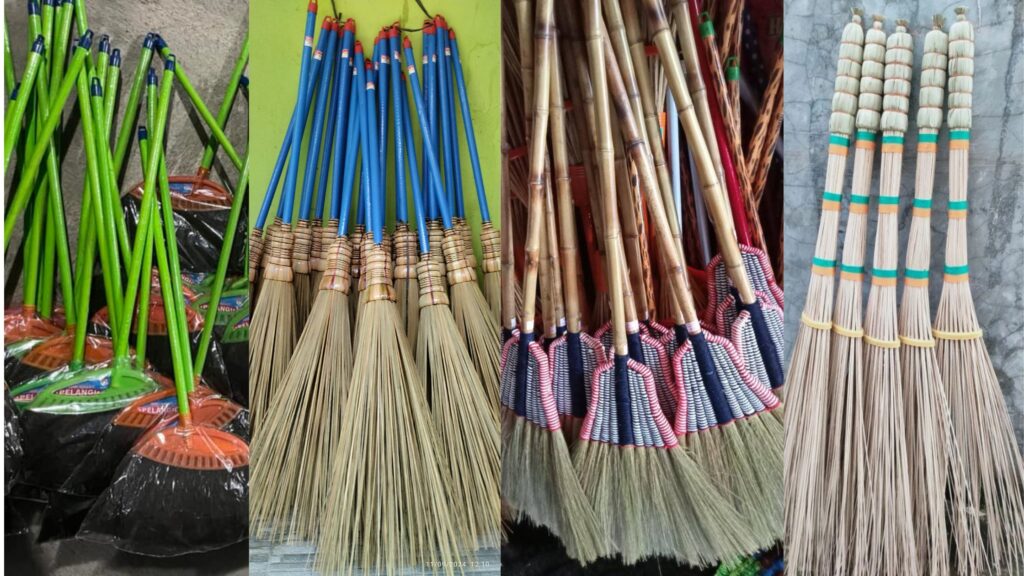
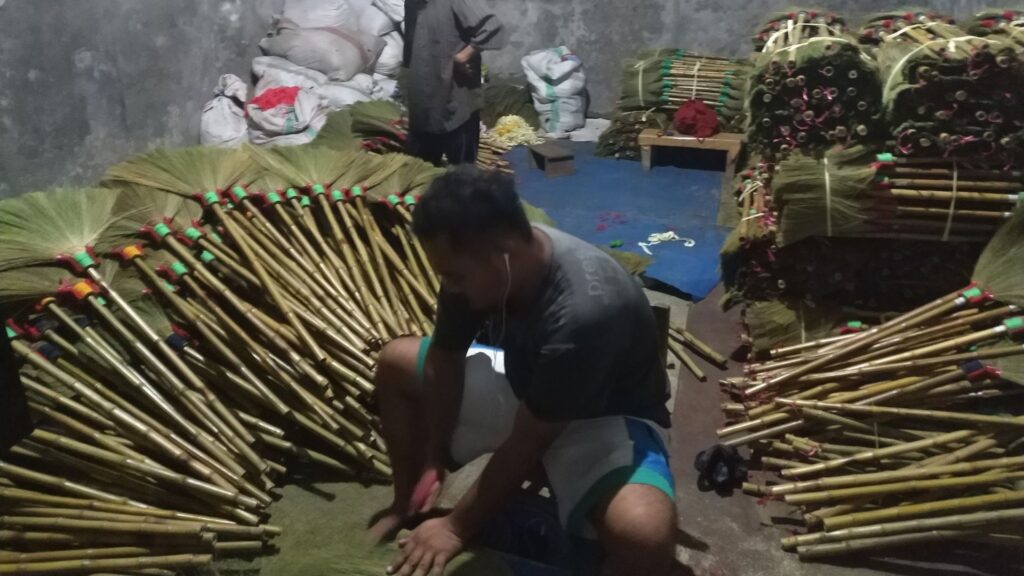
Design style also reveals cultural preferences. In Southeast Asia, natural broom grass with fan-shaped heads creates smooth movement and gentle gathering of dust. Latin American palm leaf brooms deliver strong sweeping power outdoors. European corn brooms with thicker bristles suit rough surfaces and barns. Japanese “houki” brooms embody minimalist elegance and precise fiber alignment. These variations do not compete; they reflect unique living environments and artistic sensibilities. International buyers now admire regional broom aesthetics as part of global decor trends.
Current broom markets blend traditional craftsmanship with global logistics. Export hubs in Indonesia, Vietnam, India, China, and the Philippines supply natural brooms to Europe, North America, and the Middle East. Meanwhile, artisanal micro-brands in Japan, Mexico, and Scandinavia maintain niche luxury segments. Clearly, the broom has become both a household commodity and a curated craft item. Market growth reflects rising eco-product demand, interior decor trends favoring natural materials, and ethical sourcing awareness.
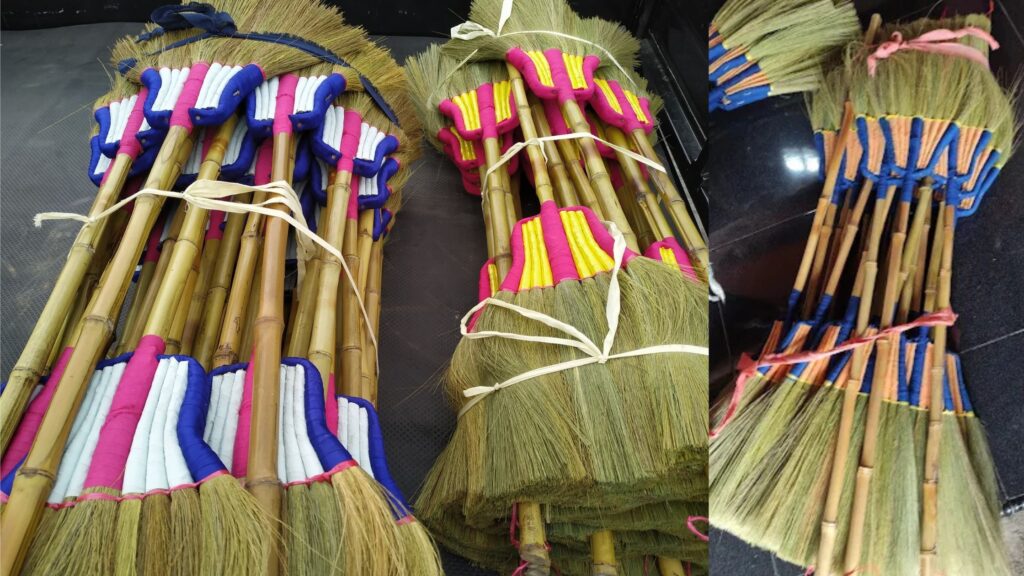
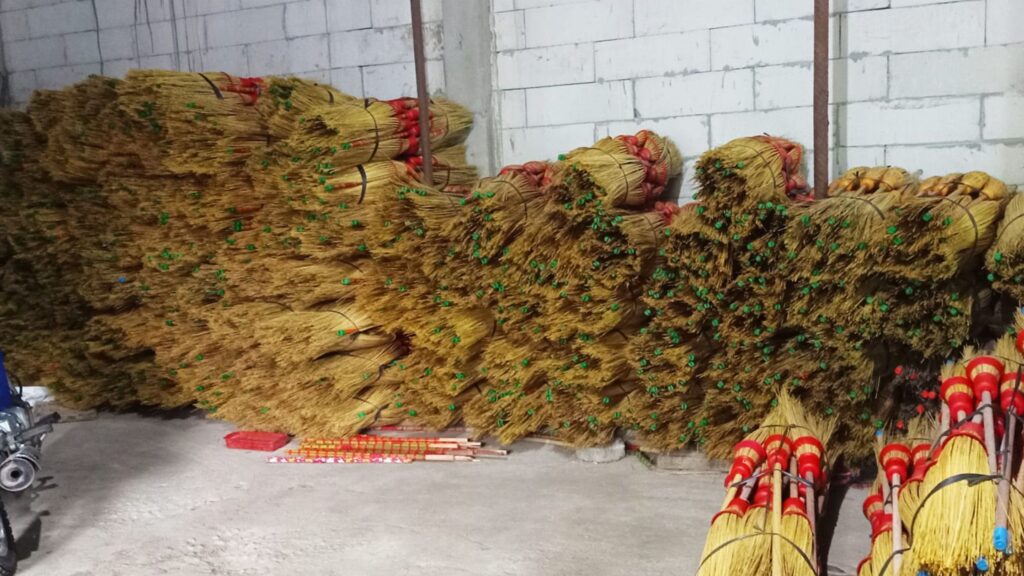
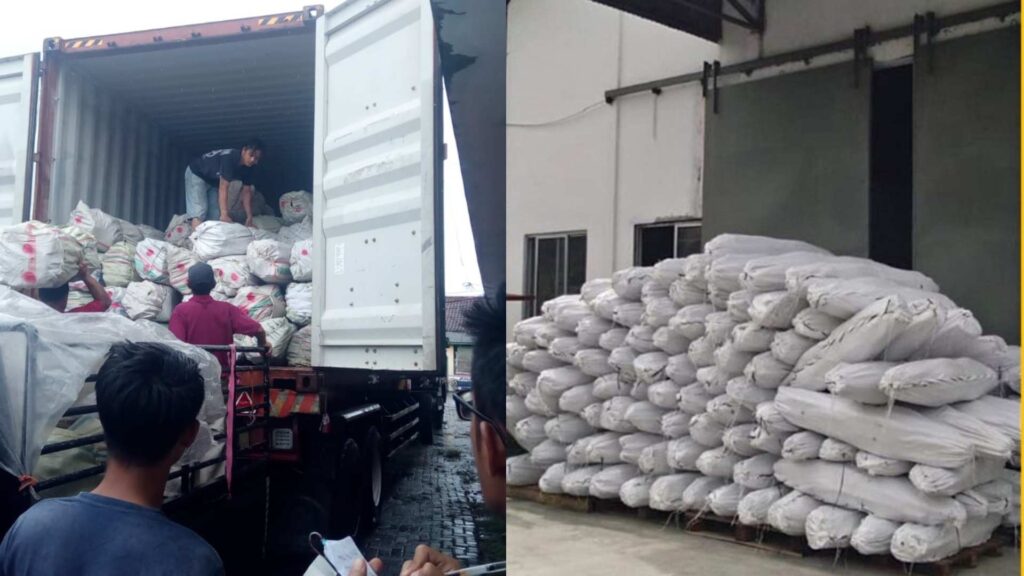
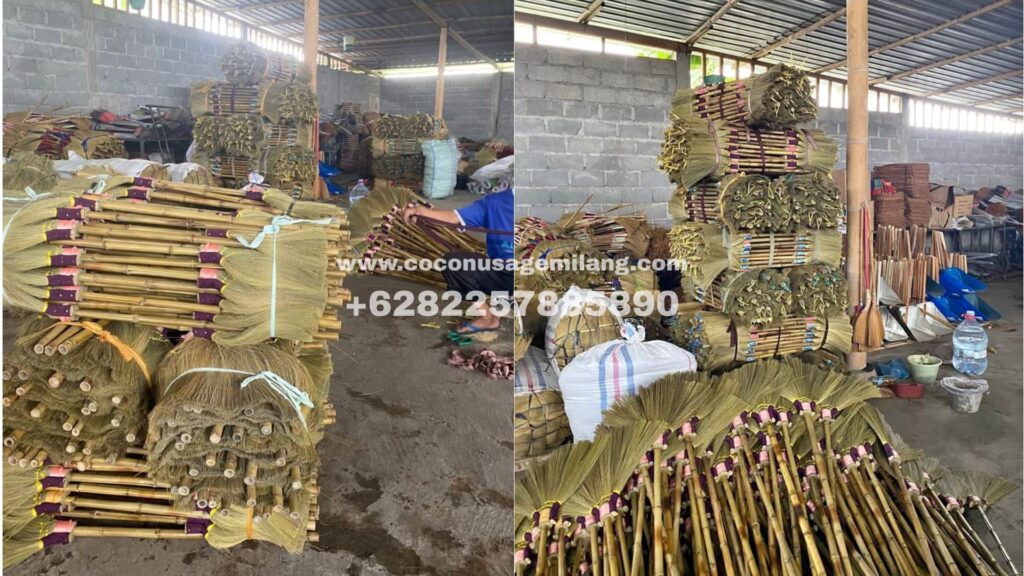
Export development depends on quality control and consistency. International buyers prioritize fiber length uniformity, moisture control, handle stability, and clean finishing. Reliable packaging matters because well-packed brooms arrive without deformation. Freight efficiency also plays a role in pricing. Compressed bale packing and container optimization help keep costs manageable. Producers who combine craftsmanship and supply chain discipline gain competitive advantage.
Innovation continues in quiet and practical ways. Eco-friendly binding threads replace synthetics. Organic dyes introduce subtle color accents. Ergonomic handles improve comfort for long sweeping sessions. Some companies partner with interior designers to launch premium broom collections for boutique hotels and minimalist homes. Although these developments may seem modest, they contribute to broader industry modernization while honoring natural heritage.
Responsible Production and Sustainable Value
Environmental responsibility drives the future of broom manufacturing. Natural fiber sourcing must protect agricultural land and maintain biodiversity. Coconut fiber extraction, sorghum harvesting, and bamboo selection require techniques that sustain soil health. Producers who integrate waste-minimization practices and community-based sourcing models strengthen long-term supply stability. Farms that cultivate broom plants alongside food crops also create diversified income streams for local farmers. This balance ensures that broom production enhances rather than harms rural ecosystems.
Economic value of broom production extends beyond factory walls. Harvesters, fiber processors, artisans, transport workers, and exporters participate in the chain. When operations emphasize fair labor and skill development, communities thrive. Training younger generations in traditional broom crafting preserves knowledge while offering stable employment. Social programs and cooperative models further reinforce economic resilience. For many families in developing regions, broom production represents not only craft but dignity and opportunity.
Consumer awareness influences these systems. Modern buyers increasingly ask where products come from, how workers are treated, and how environmental impact is managed. Transparent documentation and ethical sourcing certifications help build trust. Businesses that align operational practices with genuine sustainability commitments earn steady long-term demand. In this way, a simple broom becomes an instrument of responsible commerce and shared prosperity.

Outlook and Future Relevance
Looking ahead, broom demand will remain strong despite cleaning robots and vacuum adoption. Advanced technology solutions serve specific environments, while brooms maintain versatility, affordability, and cultural familiarity. Predictable maintenance costs and user autonomy also make brooms attractive for institutions, low-infrastructure regions, and outdoor areas. Additionally, the aesthetic character of natural brooms positions them well within trends favoring handcrafted household goods.
Market competition may intensify, yet differentiation through quality, sustainability, and branding can protect producers. Storytelling around craftsmanship, material origins, and cultural authenticity creates emotional connection with buyers. Retailers who highlight the narrative of natural brooms elevate perception beyond basic utility. That shift mirrors the way traditional textiles, ceramics, and woven baskets gained global appreciation. Outstanding makers will benefit from this evolution.
Continued collaboration between artisans and modern supply networks will define the sector’s resilience. Investments in quality improvement, worker training, and efficient logistics support long-term success. Government programs assisting rural craft industries also contribute to export strength. A sense of continuity remains the thread through all developments. Humanity continues to sweep not only for cleanliness, but to preserve order, signal care, and honor daily life.
Coco Nusa Gemilang: Trusted Indonesian Broom Manufacturer for Global Markets
Coco Nusa Gemilang stands as a committed manufacturer of natural brooms rooted in Indonesian craftsmanship. The company produces high-quality grass, coconut fiber, and palm brooms that meet export standards. Through consistent quality control and reliable logistics, the brand supports international buyers who seek trustworthy long-term supply. Moreover, Coco Nusa Gemilang emphasizes environmental responsibility by using sustainable materials and efficient production processes. As a result, clients receive not only durable products but also the assurance of ethical sourcing.
The company welcomes collaboration with European distributors, wholesalers, and importers who value natural cleaning tools. Prices remain accessible, ranging from USD 0.9 to 2 per piece, FOB Port Semarang, Indonesia, depending on order volume and specification. This flexible pricing structure allows buyers to scale orders with confidence. Furthermore, the team provides attentive communication and export support to ensure smooth transactions. Through strategic preparation and a customer-centric approach, Coco Nusa Gemilang builds genuine partnerships rather than one-off sales.
For businesses seeking dependable supply, customization options, and natural broom quality suitable for eco-conscious markets, Coco Nusa Gemilang serves as a strong partner. International clients can rely on consistent shipment schedules and responsive service. With growing demand in Europe for sustainable household products, this Indonesian manufacturer is ready to fulfill export needs and contribute to cleaner environments across global communities. Reach out to explore tailored cooperation and secure your production space in upcoming shipment cycles.