
The broom grass wholesale industry has expanded rapidly over the past decade. Rising global interest in environmentally friendly products, combined with a renewed appreciation for traditional household tools, has created strong demand in both developed and emerging markets. Although broom grass may appear simple, the supply chain behind it is complex, stretching from remote farming communities to large distribution hubs that ship goods across continents. Understanding this industry requires examining not only the material itself but also the cultural relevance, environmental advantages, and economic implications tied to its production.
The growth of broom grass wholesale markets reflects several key trends. Consumers are increasingly aware of the environmental costs of plastic-based cleaning tools. Retailers look for natural alternatives that align with sustainability commitments. Meanwhile, governments and corporate buyers prioritize biodegradable products to reduce waste. Consequently, broom grass—an abundant and renewable material—has become a compelling solution for both household and commercial cleaning needs.
Moreover, wholesale buyers appreciate the flexibility of broom grass products. They can be customized for different markets, assembled into a wide range of broom styles, or processed further for industrial applications. As supply chains become more interconnected, the ability to adapt materials to various product specifications has become a major advantage. Therefore, broom grass continues to stand out as a competitive commodity in natural-cleaning-product markets.
The Botanical Foundation of Broom Grass
Broom grass (commonly Thysanolaena maxima) grows naturally in tropical and subtropical climates. This tall, fibrous grass thrives on hillsides, slopes, and forest margins where the soil drains well. Farmers often cultivate it without chemical fertilizers because the plant grows vigorously in its natural environment.
Additionally, broom grass produces long fibers with remarkable flexibility and strength. These characteristics make it ideal for crafting broom heads that sweep efficiently without scratching delicate surfaces. Unlike synthetic fibers, broom grass does not generate static electricity. As a result, dust particles adhere to the bristles naturally rather than being scattered.
Furthermore, the plant regenerates quickly after harvesting. Farmers cut the mature stalks and leave the roots intact, which enables repeated harvesting cycles. This regenerative ability ensures a sustainable supply for wholesalers and reduces the environmental footprint associated with raw material extraction.
Harvesting, Processing, and Quality Control
The broom grass wholesale supply chain begins at the farming level. Skilled harvesters cut the grass at the appropriate height and maturity. Timing matters because prematurely harvested fibers may be too soft, while overgrown stalks can become thick and difficult to process.
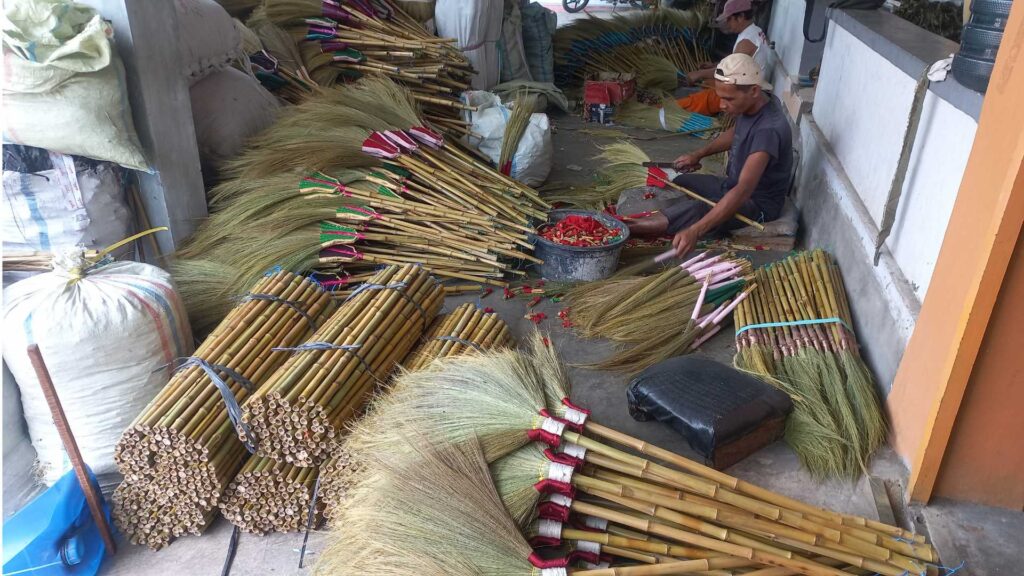
Once harvested, the grass is cleaned and sorted. Workers remove damaged stalks, weeds, and debris. The remaining fibers are bundled and dried under controlled sunlight. Drying plays a crucial role in determining the final quality of the broom grass. Excessive heat weakens the fibers, while limited exposure results in moisture retention and mold risk.
After drying, the grass undergoes a secondary sorting process. Workers categorize fibers based on length, thickness, and color. Wholesalers depend on consistent grading because different international markets request different materials. Some prefer long, slender fibers for premium brooms, while others focus on thicker fibers for heavy-duty sweeping tools.
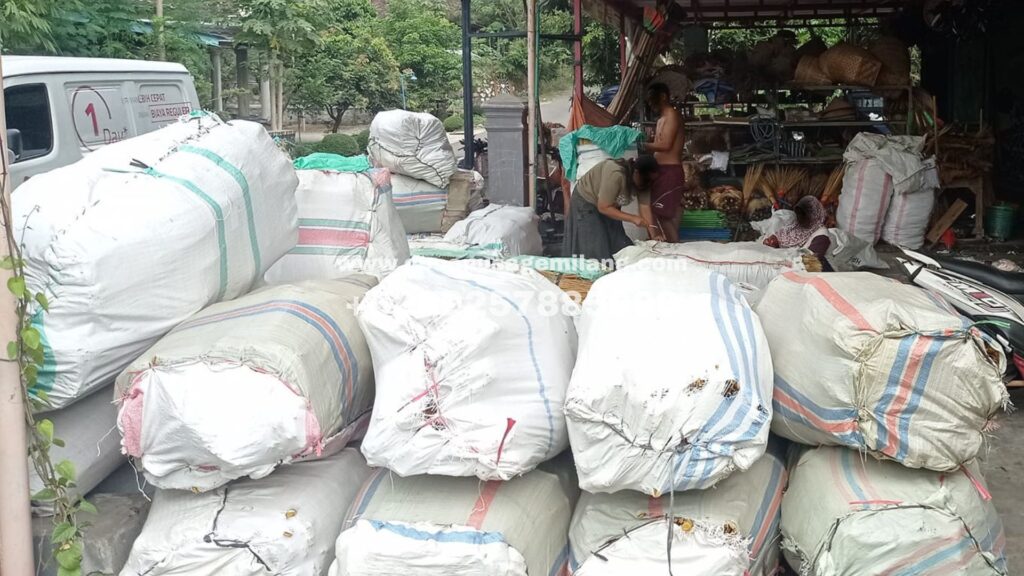
Additionally, proper packaging protects broom grass during transportation. Exporters typically bundle the fibers tightly and wrap them in moisture-resistant materials. Since broom grass is lightweight and compressible, it achieves high shipping efficiency, allowing wholesalers to deliver large volumes at competitive rates.
Cultural and Functional Importance
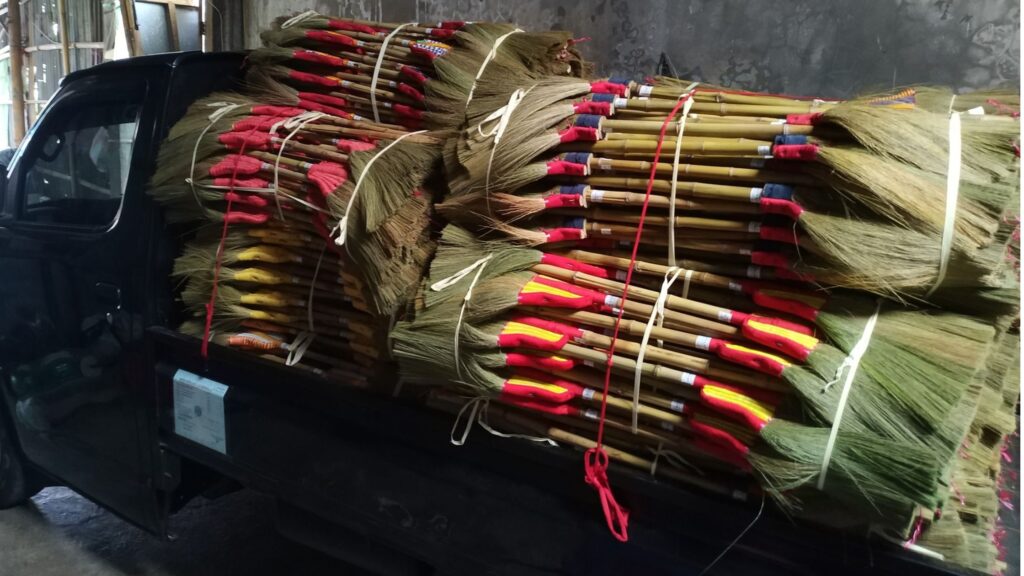
Broom grass has deep cultural value in many regions. In Southeast Asia, South Asia, and parts of East Africa, broom-making is a traditional craft passed through generations. Families use broom grass brooms for daily cleaning, believing that sweeping the house each morning brings clarity and order. This cultural habit sustains domestic demand and supports the livelihoods of small-scale producers.
Functionally, broom grass brooms outperform many synthetic alternatives. The long, flexible fibers capture fine dust and sand without dispersing it. This makes the brooms ideal for households in tropical regions where dust accumulates rapidly. Additionally, the grass produces quiet, smooth sweeping motions that are soothing compared to the harsh scraping sound of plastic bristles.
In urban homes, broom grass brooms remain popular because they clean tiled surfaces efficiently. Hotels, schools, and small businesses also use them due to their durability and low replacement cost. As a result, broom grass wholesale suppliers cater to a wide range of customers—from traditional markets to modern retailers—reflecting the adaptability of this natural material.
Sustainability and Environmental Benefits
Environmental considerations have become a major driver of broom grass wholesale expansion. The material is entirely biodegradable and requires minimal processing compared to plastic or metal components. This advantage resonates strongly with global sustainability movements.
Moreover, broom grass farming supports healthy ecosystems. The plant prevents soil erosion on steep slopes and improves water retention. It grows without chemicals, thereby preserving soil health and protecting nearby water sources. Because the roots remain intact after harvesting, the plant continues to stabilize the soil and support biodiversity.
Transitioning to natural broom materials also reduces plastic waste significantly. Synthetic brooms contribute to landfill accumulation because their bristles and handles degrade slowly. In contrast, broom grass brooms decompose naturally when disposed of. Consequently, environmentally conscious consumers increasingly prefer grass-based alternatives.
In addition, the climate impact of broom grass production remains very low. Sun drying eliminates the need for energy-consuming machinery. Manual harvesting reduces carbon emissions associated with fuel-based operations. Thus, broom grass emerges as a model example of low-impact agricultural material.
The Global Wholesale Market Landscape
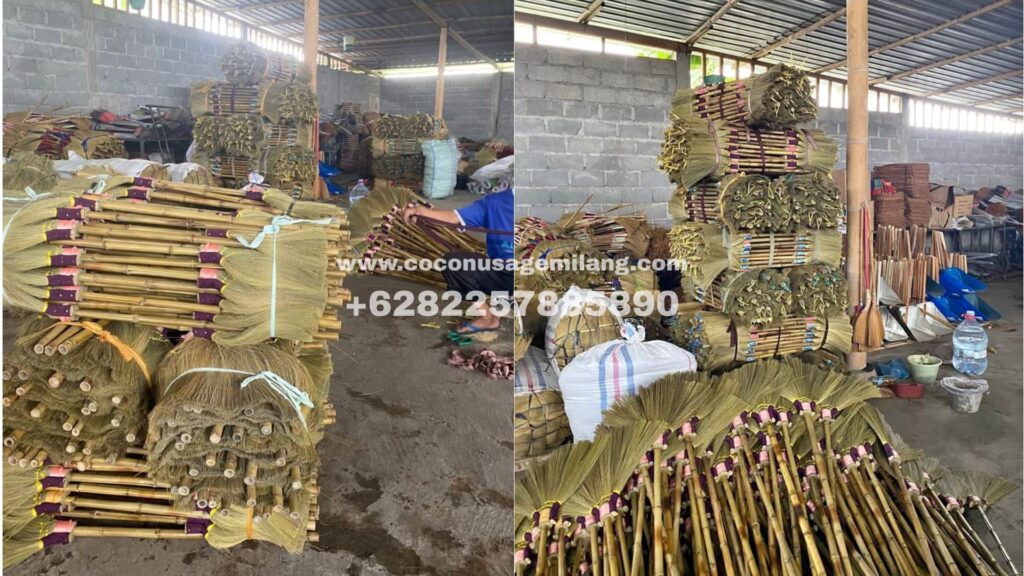
The international broom grass wholesale market has become highly dynamic. Demand comes from both traditional broom-producing countries and new markets exploring sustainable product imports. Middle Eastern countries import large volumes for outdoor sweeping tools. East Asian markets value premium broom grass for fine household brooms. European buyers often focus on eco-friendly packaging and sustainable sourcing certifications.
Furthermore, export volumes tend to rise during the winter season in temperate countries because indoor cleaning routines intensify. Retailers stock up on natural brooms before major holidays when demand rises. Consequently, wholesalers must manage inventory strategically to meet seasonal fluctuations.
The pricing structure in the wholesale market depends on several variables: fiber grade, bundle length, moisture content, and packaging method. However, healthy competition between suppliers ensures that prices remain attractive for bulk buyers.
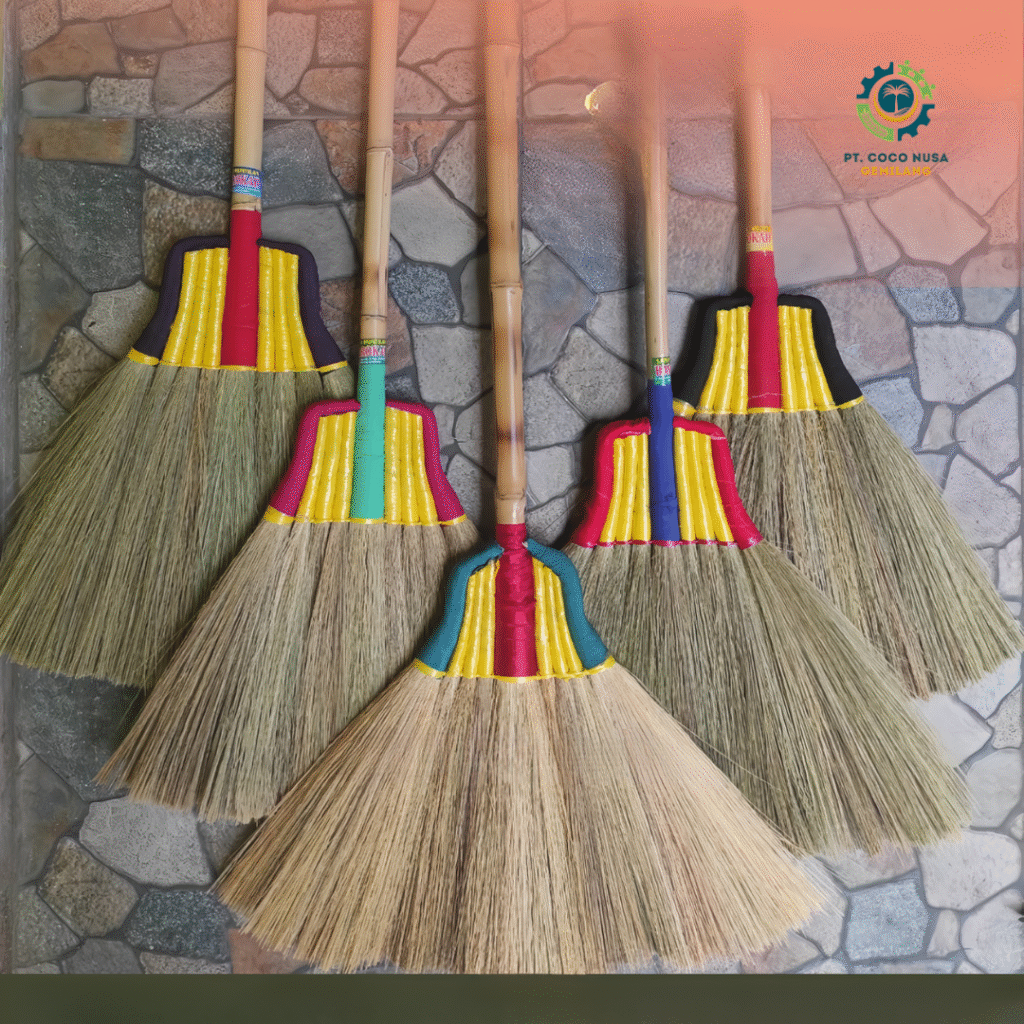
Additionally, wholesalers appreciate the fact that broom grass integrates easily into different broom designs. Some markets prefer the classic soft-handled indoor broom, while others need heavy-duty outdoor models with reinforced bases. Since broom grass fits these diverse formats, wholesalers can expand their product portfolio without increasing complexity.
Economic Impact for Rural Communities
Broom grass is more than a commodity—it is a source of steady income for rural families. Communities involved in cultivation, harvesting, sorting, and binding depend on the industry for economic stability. In regions where industrial jobs remain limited, broom grass production fills a critical gap.
Moreover, the work often involves family-based operations. Women play key roles in sorting and cleaning the fibers. Their involvement strengthens household income and supports gender-inclusive economic growth. Meanwhile, farmers benefit from steady demand because broom grass thrives naturally and requires little maintenance.
Local transporters also participate in the supply chain. They move bundles from mountain regions to processing centers and export hubs. Each stage contributes to rural economic resilience. Therefore, the expansion of broom grass wholesale markets generates widespread social and economic benefits.
Quality Expectations Among Wholesale Buyers
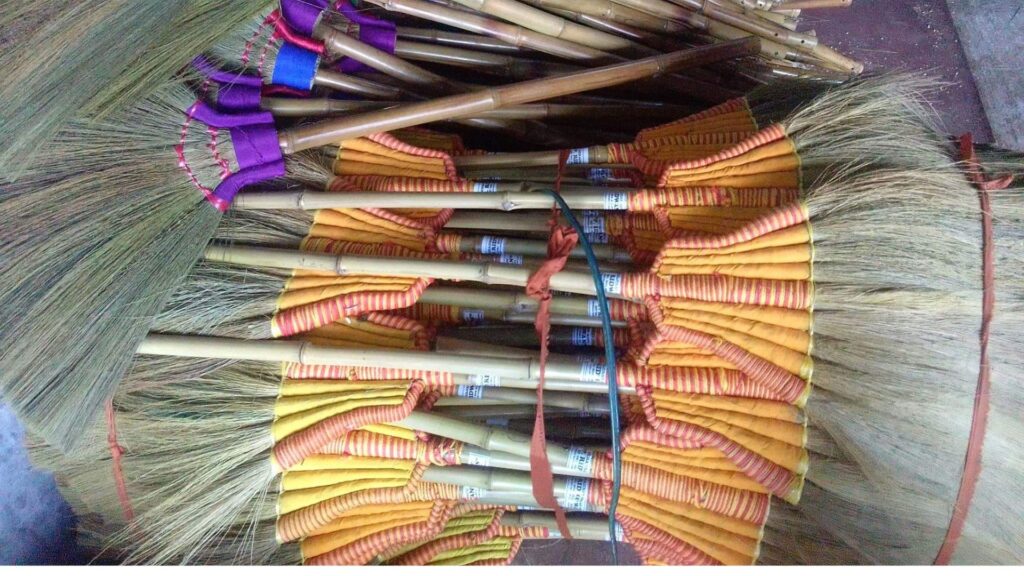
Wholesale buyers evaluate broom grass through several quality indicators:
- Fiber length: Longer fibers suit premium brooms.
- Color consistency: Even, natural tones indicate proper drying.
- Strength and flexibility: Healthy fibers bend without snapping.
- Cleanliness: High-grade broom grass is free from weeds and contaminants.
- Moisture levels: Low moisture prevents mold growth during shipping.
In addition, buyers look for proper bundling techniques that protect the fibers during transit. Reliable suppliers understand that quality consistency builds long-term trust. Consequently, wholesalers prefer partners who maintain strict grading standards and transparent sourcing practices.
Why Broom Grass Remains Competitive in Global Markets
The broom grass wholesale industry thrives because it offers a rare combination of affordability, performance, and sustainability. Many cleaning tools rely on synthetic components that degrade quickly and cost more to replace. In contrast, broom grass brooms remain durable, effective, and inexpensive.
Furthermore, the global transition toward natural products strengthens the industry’s momentum. Consumers want household items that reflect authenticity and environmental responsibility. Broom grass meets these demands without requiring drastic changes to production methods.
Even in technologically advanced markets, natural cleaning tools hold emotional appeal. They remind users of simpler routines, cultural traditions, and handmade products. This emotional connection reinforces demand and encourages retailers to expand their natural-product selections.

Coco Nusa Gemilang: Trusted Manufacturer & Supplier of Broom Grass Wholesale
Coco Nusa Gemilang is a leading manufacturer and supplier of broom grass wholesale, offering various types and models prepared for export to international markets. The company prioritizes consistent quality, careful grading, and reliable supply chains so that buyers receive broom grass suitable for both premium and standard broom production. In addition, Coco Nusa Gemilang is committed to ethical sourcing and sustainable agricultural support within the communities it works with.
Furthermore, the company provides broom grass wholesale at competitive prices, starting from 0.9 USD to 2 USD per piece (FOB Port Semarang, Indonesia). Pricing is adjusted according to order volume, product specifications, and long-term cooperation arrangements. Naturally, all prices remain open for discussion based on mutual agreement. This flexibility helps wholesalers and importers manage their purchasing strategies effectively.
Moreover, Coco Nusa Gemilang maintains a strong focus on quality consistency and customer satisfaction. With experienced workers, well-managed production facilities, and efficient export processes, the company stands ready to supply broom grass to markets across the world. As demand for natural and eco-friendly cleaning tools grows, Coco Nusa Gemilang offers a dependable partnership for retailers, distributors, and wholesalers seeking sustainable, high-quality broom grass materials.