

The long-handled broom made from broom corn represents a remarkable intersection of craft, agriculture, and ergonomics. Although many modern tools rely on plastic, aluminum, or synthetic fibers, the broom corn long-handled broom continues to hold its ground as a dependable cleaning tool across the world. Its distinct advantages come from the natural structure of broom corn fibers, combined with a design that has been refined for generations. Because of this, the broom remains essential for homes, commercial facilities, and agricultural environments where durability matters. It also provides a tactile experience that no electric cleaning device can replicate.
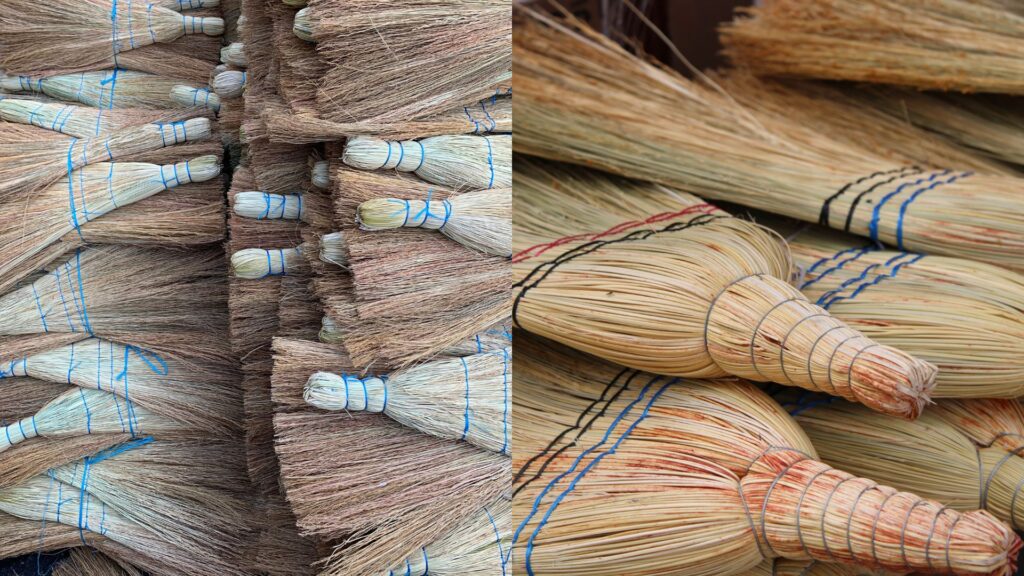
Understanding the broom corn long-handled broom begins with understanding the plant itself. Broom corn is a variety of sorghum cultivated specifically for its stiff, straight panicles. These fibers possess natural resilience, allowing them to bend without breaking. They also maintain enough stiffness to sweep large debris effectively. Since broom corn has a porous surface, it traps dust particles efficiently, which makes the broom suitable for sweeping wooden floors, textured concrete, or outdoor pathways. The natural taper of the fibers creates a unique sweeping motion that cleans efficiently without excessive force.
However, the performance of a broom corn broom depends not only on the plant but also on the craftsmanship behind it. Cultivators must harvest broom corn at the correct maturity stage. If harvested too early, the fibers lack strength; if harvested too late, the fibers become brittle. After harvest, the panicles dry under controlled conditions to avoid mold or discoloration. Once dried, the fibers are sorted by length, thickness, and flexibility. This sorting process ensures that each broom contains a consistent fiber profile, which directly affects sweep quality. As this step requires precision, manufacturers invest significant time and labor in maintaining uniformity.
The Engineering Behind a Long-Handled Broom
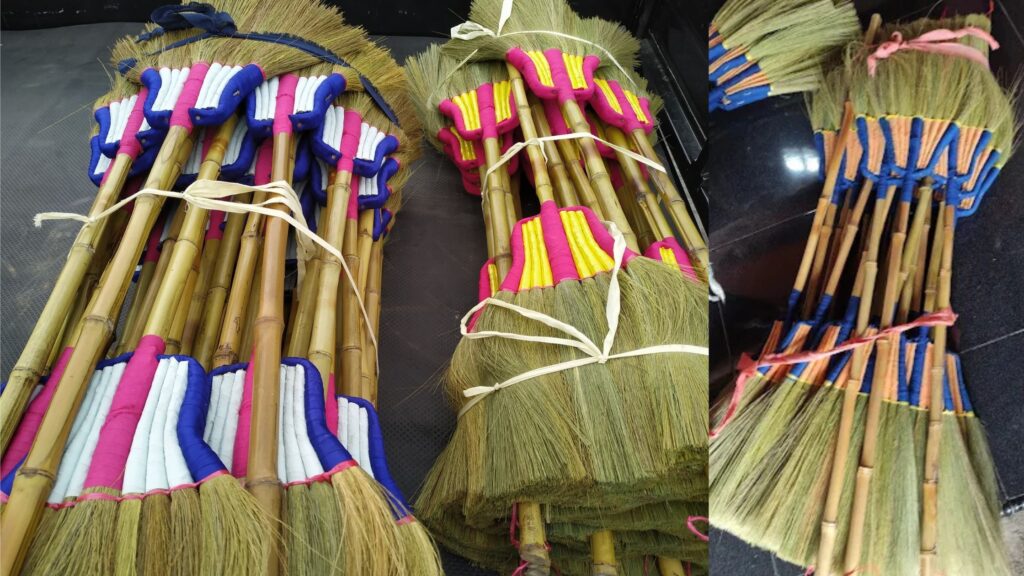
The length of the handle influences more than comfort. A properly balanced long-handled broom enables the user to sweep with a natural posture, reducing strain on the back and shoulders. For this reason, the handle material matters. Hardwood, bamboo, lightweight metal, and fiberglass all present different benefits. Hardwood offers stability and tradition. Bamboo provides sustainability and a comfortable grip. Metal handles resist impact and last longer in commercial environments. Fiberglass delivers strength without excessive weight. Manufacturers choose the material based on market expectations, as different regions prioritize different characteristics.
Weight distribution is another crucial engineering consideration. If the handle is too heavy, the user compensates with extra force. If the fiber head is too heavy, the broom drags instead of gliding. Skilled broom makers understand this dynamic and adjust their construction methods accordingly. They also pay attention to the clamp or stitching technique that holds the broom corn fibers in place. A reinforced clamp prevents the fibers from loosening over time. Similarly, a tight stitching pattern ensures the broom maintains its sweeping profile even after months of daily use.
In addition, the overall shape of the broom head affects its performance. Some brooms feature a flat head ideal for indoor sweeping. Others use a slightly rounded head to reach into corners. Outdoor long-handled brooms often require a wider head to cover more surface area with each stroke. Manufacturers design these variations by studying the intended environment. A broom used in workshops must handle sawdust, metal shavings, or heavier debris. Residential users want something lightweight and smooth for tile or vinyl floors. Because broom corn is extremely versatile, it can be shaped into different profiles without losing structural integrity.
Why Broom Corn Remains Superior to Synthetic Fibers
Although synthetic brooms dominate modern retail stores, broom corn retains several advantages that synthetic fibers cannot fully replace. First, broom corn fibers have a natural abrasive texture. This texture captures debris effectively without pushing it around. Second, natural fibers do not melt under heat or friction. Synthetic bristles, especially cheaper varieties, deform when exposed to rough surfaces or high temperatures. Third, broom corn offers longer wear life when used outdoors. It resists UV degradation better than many synthetic materials. This makes broom corn especially useful in agricultural settings, industrial warehouses, and open markets where sweeping often occurs under the sun.
Furthermore, broom corn decomposes naturally, which appeals to environmentally conscious consumers. As global efforts to reduce plastic waste increase, natural cleaning tools gain market preference. Compostable materials reduce waste streams and minimize landfill impact. This ecological advantage has turned broom corn brooms into a preferred choice for eco-friendly households and businesses, especially in regions with strong sustainability regulations.
Another important advantage lies in maintenance. Broom corn fibers do not require special cleaning solutions. A simple shake removes loose dust. If the broom becomes muddy, rinsing with clean water followed by thorough drying restores its shape. Synthetic brooms often trap sticky particles, requiring chemical cleaners to maintain hygiene. In high-traffic commercial environments, this difference saves time, effort, and operational cost.
Cultural and Historical Importance of the Broom Corn Broom
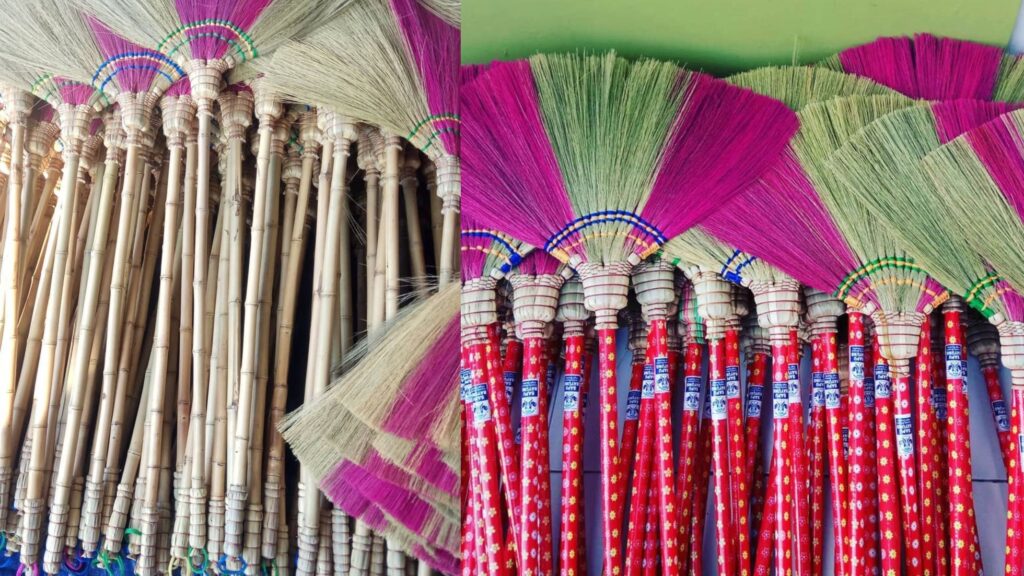
Long before industrial broom factories emerged, families and communities crafted broom corn brooms by hand. These tools represented more than utility; they symbolized household care, discipline, and craftsmanship. In several cultures, broom-making traditions remain strong. Communities pass down techniques from generation to generation. Each method—stitching patterns, binding styles, fiber arrangements—reflects local heritage and artistry.
Though industrialization has taken over most production, craft-based broom making survives in many regions. Artisan brooms carry a distinctive charm because they preserve manual skill, aesthetic beauty, and cultural identity. Even in global markets, handmade broom corn brooms attract collectors and customers seeking authenticity. Thus, broom corn production reflects both functional purpose and cultural value.
Market Trends and International Demand
Global demand for broom corn long-handled brooms continues to rise due to multiple factors. Many developing countries prefer natural brooms because they are cost-effective and durable. Meanwhile, developed countries with sustainability programs increasingly value biodegradable cleaning tools. These combined market forces create strong international demand for reliable broom corn suppliers.
Moreover, online marketplaces have widened consumer access to high-quality natural brooms. Small manufacturers can now ship globally, while distributors gain direct access to factories. As a result, broom corn factories in Southeast Asia, South Asia, and Latin America have expanded their export capacity. Buyers now expect consistent quality, clear labeling, stiff and straight fibers, ergonomic handles, and packaging that survives long shipping distances.
In addition, wholesalers benefit from the predictable price structure associated with broom corn. Raw materials are grown seasonally, and their cost fluctuations remain manageable compared to petroleum-based synthetics. This makes broom corn brooms a stable commodity for retailers seeking consistent profit margins. Because these brooms cater to both commercial and residential uses, their market reach remains broad and sustainable.
Packaging, Quality Control, and Export Considerations
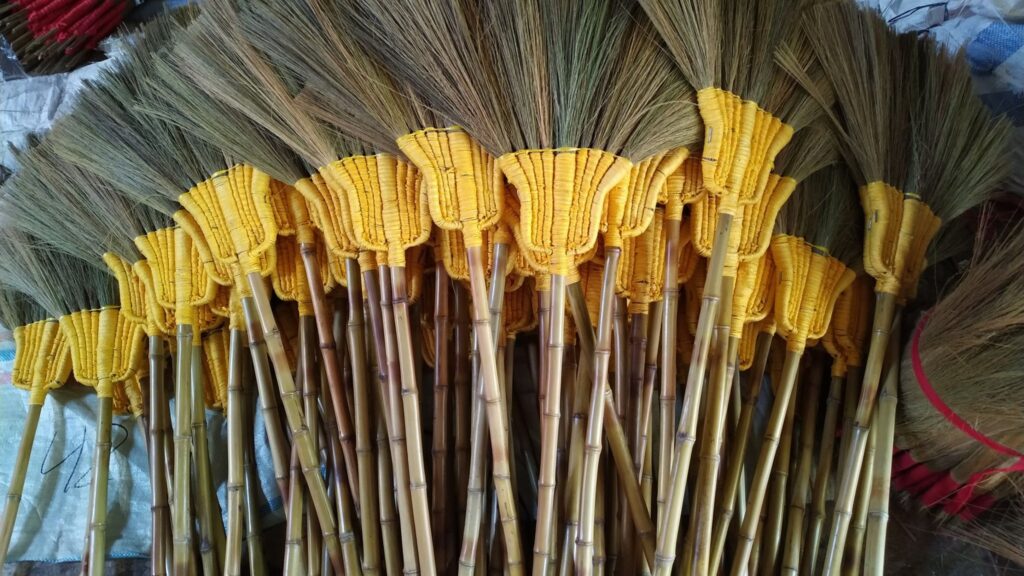
Export-ready broom corn long-handled brooms must pass strict quality checks. Fiber length, density, weight, and binding strength undergo inspection. The handle’s surface must be smooth, splinter-free, and properly coated if required. Manufacturers also test the broom’s sweeping performance on different floor textures. These measures ensure that products remain functional even after long-distance transport.
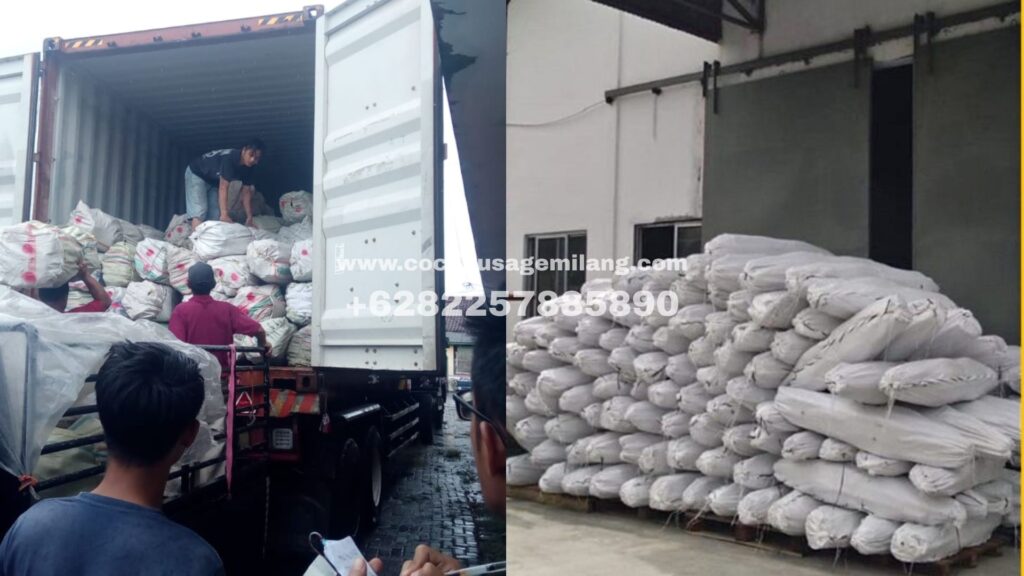
Packaging plays a vital role in preventing deformation. Brooms are often compressed in bundles, but the compression must be controlled. Excessive pressure bends the bristles permanently. Skilled suppliers know how to maintain shape during transport while reducing freight volume. As international markets demand consistent presentation, barcode labeling, private branding options, moisture-resistant wrapping, and pallet-ready cartons have become standard features.
Why the Broom Corn Long-Handled Broom Will Continue to Matter
Even as innovation changes global cleaning habits, the broom corn long-handled broom remains irreplaceable. It performs well in environments where vacuums cannot operate—construction sites, farms, muddy paths, and dusty outdoor areas. It functions without electricity, making it ideal for remote regions or emergency situations. Its natural fibers offer a tactile sweeping experience that many users find more satisfying than mechanical cleaning.
Because of its sustainability and durability, the broom aligns with the values of future generations. Younger consumers who prioritize environmental impact continue to look for tools that avoid unnecessary plastics. Broom corn meets this expectation seamlessly. As long as sweeping remains a universal need, the broom corn long-handled broom will retain its relevance across markets.
COCO NUSA GEMILANG — GLOBAL SUPPLIER OF BROOM CORN LONG-HANDLED BROOMS
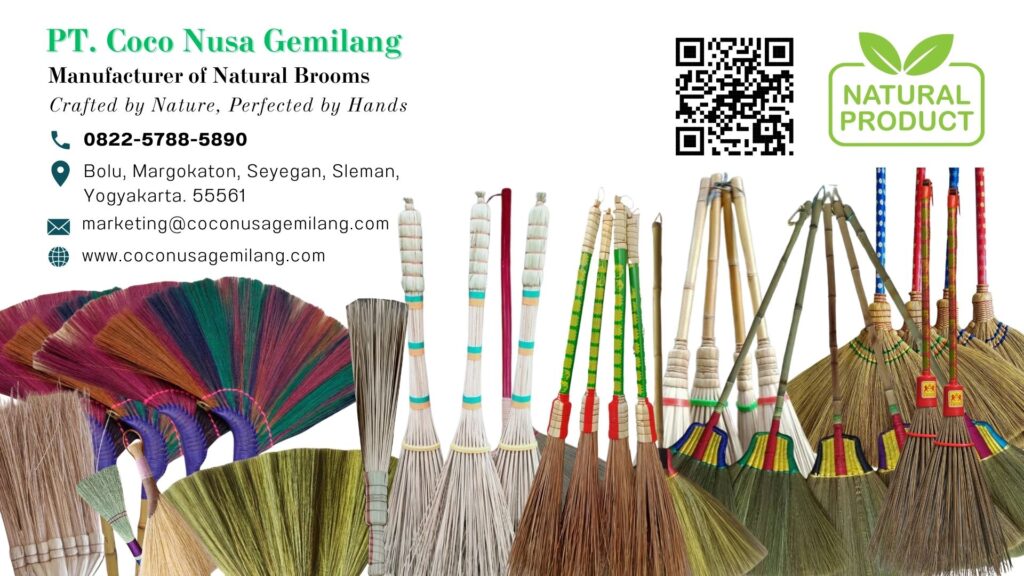
Coco Nusa Gemilang is a dedicated broom corn long-handled manufacturer committed to serving the international market with dependable quality. Our production system adapts to global expectations, ensuring that every broom we craft meets the standards required by importers, wholesalers, and large-scale distributors. Moreover, we refine every aspect—from fiber selection to handle finishing—to produce cleaning tools that deliver consistent performance in professional and residential environments.
In addition, our company supplies export shipments to countries across the WORLD, supported by packaging systems that protect the product throughout long-distance logistics. We customize broom specifications to match regional market preferences, including fiber length, density, handle material, and labeling. Furthermore, our pricing remains accessible, starting from 0.9 USD to 2 USD per piece (FOB Port Semarang, Indonesia), depending on order volume. These prices provide an excellent margin for resale and meet global competitiveness standards.
Coco Nusa Gemilang remains committed to delivering durable products that reflect best handicraft, best cleaning tools. Every broom is engineered for real-world use, tested for sweeping strength, and packaged to preserve shape and quality. With reliable service and flexible export capability, we provide the best possible value for global buyers seeking natural, long-handled broom corn products.