
Natural fibre brooms continue to hold an important place in both domestic and commercial cleaning routines. Although the world is increasingly dominated by synthetic materials and automated devices, natural fibres still offer a compelling advantage rooted in their texture, strength, and biodegradability. They represent a combination of traditional craftsmanship and functional engineering that has endured across generations. Because of this, natural fibre brooms remain a preferred tool for users who value durability, ecological responsibility, and effective sweeping performance.
Exploring the world of natural fibre brooms requires looking beyond their simple appearance. Each broom involves an interplay of biological characteristics, cultural traditions, and material science. While the general form may look basic—fibres bound to a handle—the internal logic behind a well-made natural broom is far from simple. Every fibre type possesses a particular texture, oil content, stiffness level, and moisture tolerance. These characteristics determine how the broom performs across different surfaces. Natural fibre brooms can adapt to dusty floors, outdoor debris, tiled surfaces, and rough pavements, making them one of the most versatile manual cleaning tools available today.
The continued relevance of natural fibre brooms is tied closely to the global shift toward sustainability. As consumers grow more aware of environmental concerns, the appeal of biodegradable household tools increases. Natural fibres such as coconut, broom grass, sorghum, and palm midribs decompose naturally and require minimal chemical processing. They also produce fewer microplastics compared to synthetic alternatives. This eco-friendly aspect elevates natural fibre brooms from mere tools to conscious lifestyle choices for households and businesses seeking to reduce their ecological footprint.
Understanding the Qualities of Natural Fibres
Natural broom fibres possess unique mechanical properties that synthetic bristles struggle to replicate. They create friction on the floor that lifts dust rather than scattering it. Furthermore, their uneven microscopic surfaces give them exceptional gripping power, allowing the broom to capture fine particles with minimal effort. Because natural fibres are flexible yet firm, they strike an ideal balance between strength and adaptability. This balance allows the broom to handle both light dust and heavier outdoor debris without bending out of shape.
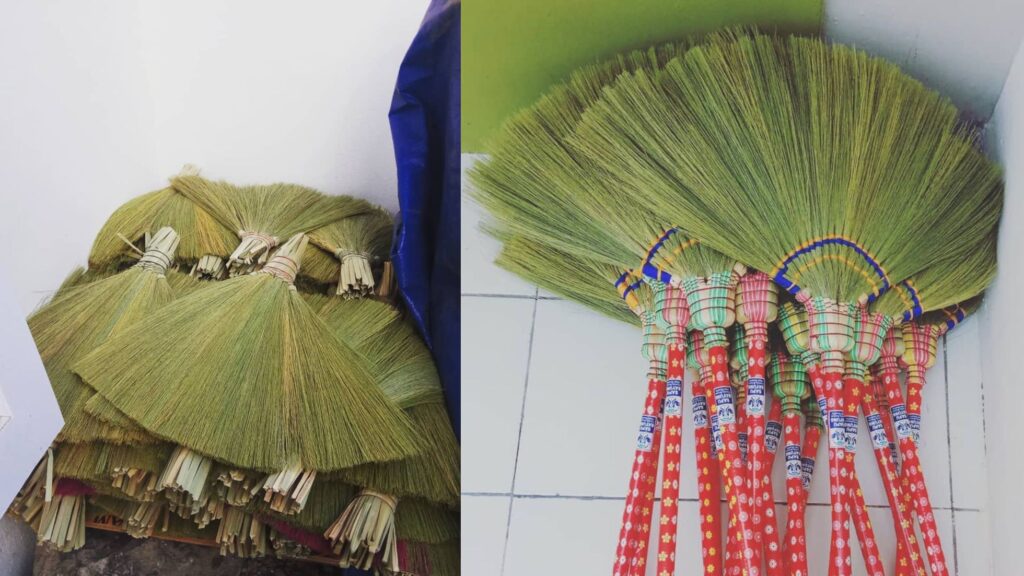
The types of fibres used vary by region. Coconut fibres, for example, provide toughness and water resistance, making them excellent for outdoor sweeping or wet environments. Broom grass fibres offer lighter weight and a gentle sweeping motion suitable for smooth indoor floors. Sorghum fibres, often associated with traditional broom corn, deliver stiffness and longevity, which makes them ideal for warehouses, workshops, and agricultural settings. Understanding these fibre differences allows manufacturers to design products tailored to different markets and user preferences.
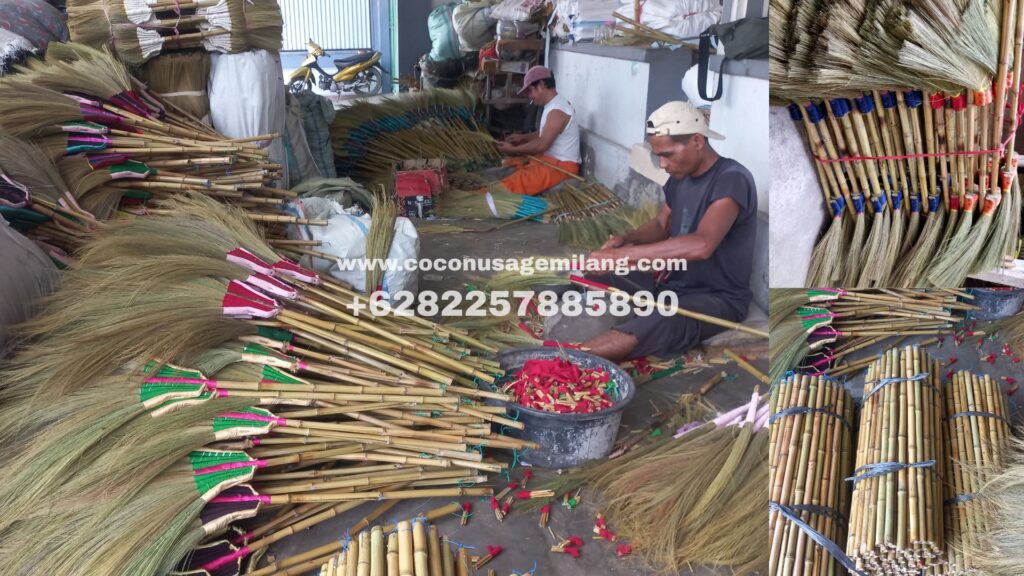
Proper processing is crucial. Fibres must be harvested, dried, sorted, and bundled with great care. If dried too quickly, they crack. If dried too slowly, they mold. After drying, fibres undergo combing and grading to ensure consistency. High-quality natural fibre brooms rely on this meticulous handling process, which ensures that bristles sweep evenly and last through repeated use. This handcrafted precision, combined with modern manufacturing techniques, gives natural fibre brooms an edge in both performance and aesthetics.
Design Engineering and Functional Performance
Design engineering plays a significant role in determining how a natural fibre broom behaves in real-world conditions. The handle material influences comfort, leverage, and weight distribution. Wooden handles provide a familiar, sturdy feel. Bamboo handles offer sustainability and ideal balance. Metal handles provide maximum robustness for industrial spaces. Each choice shapes user experience in subtle but meaningful ways.
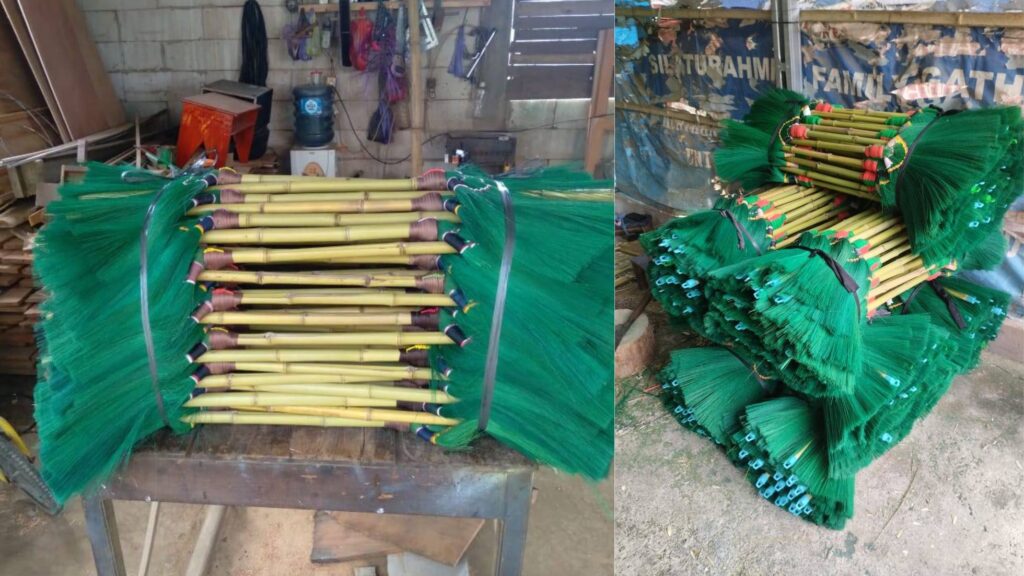
The binding technique also matters. Some brooms rely on wire stitching; others use clamps, resin bonding, or multi-tiered binding structures. The goal is to ensure that fibres stay securely attached even after months of heavy use. When bindings are uneven, the broom loses its sweeping profile. Consequently, reputable manufacturers devote considerable attention to binding alignment, compression level, and stability during handling.
In addition, broom head shape directly affects sweeping performance. A flat broom head covers a wide area quickly, making it suitable for large indoor spaces. A rounded or tapered head excels in corners and tight spaces. Outdoor brooms often require thicker fibre bundles arranged in a flared pattern to withstand rough surfaces and heavy debris. These structural variations demonstrate that natural fibre brooms represent not just tradition but also thoughtful engineering.
Cultural and Historical Significance
Natural fibre brooms have deep cultural roots. In many regions, they symbolize cleanliness, order, and household stewardship. Traditional broom-making often forms part of local heritage practices, passed down from parents to children. This craftsmanship reflects not only functional knowledge but also cultural identity. Many communities regard broom-making as a source of pride and artistry.
Despite the rise of industrial factories, artisanal broom-making retains strong value. Handcrafted natural fibre brooms appeal to customers seeking authenticity. They carry a tactile charm and aesthetic detail that mass-produced products rarely capture. Some artisans integrate decorative weaving patterns into the binding, transforming ordinary tools into symbols of cultural heritage.
Furthermore, natural fibre brooms often feature in festivals, rituals, and symbolic customs around the world. Their presence in these traditions highlights a timeless relationship between humans and simple tools that support daily life.
Eco-Crafted Performance: A Deep Dive into Natural Fiber Broom Manufacturing and Export
Global Market Demand and Shifting Consumer Preferences
Market interest in natural fibre brooms has grown steadily, driven partly by environmental awareness and partly by consumer dissatisfaction with low-quality synthetic alternatives. The durability of natural fibres gives them a competitive advantage. Natural fibre brooms last longer, bend less, and maintain their sweeping profile even after extended use.
International buyers appreciate the reliability and low maintenance of natural fibre brooms. Distributors in Europe, in particular, seek tools that are both functional and eco-friendly. As sustainability regulations increase, natural fibre brooms become a logical choice for retailers who want to offer green-certified products. Similarly, markets in Asia and Africa value natural fibre brooms for their long lifespan and compatibility with outdoor sweeping conditions.
E-commerce has also reshaped the industry. Smaller manufacturers can now reach global audiences without relying solely on traditional distribution networks. This accessibility encourages competition and incentivizes producers to refine quality, packaging, and branding. As international standards evolve, natural fibre broom manufacturers adopt more consistent grading practices, moisture control systems, and export-ready packaging solutions.
Economics of Production and Supply Chain Considerations
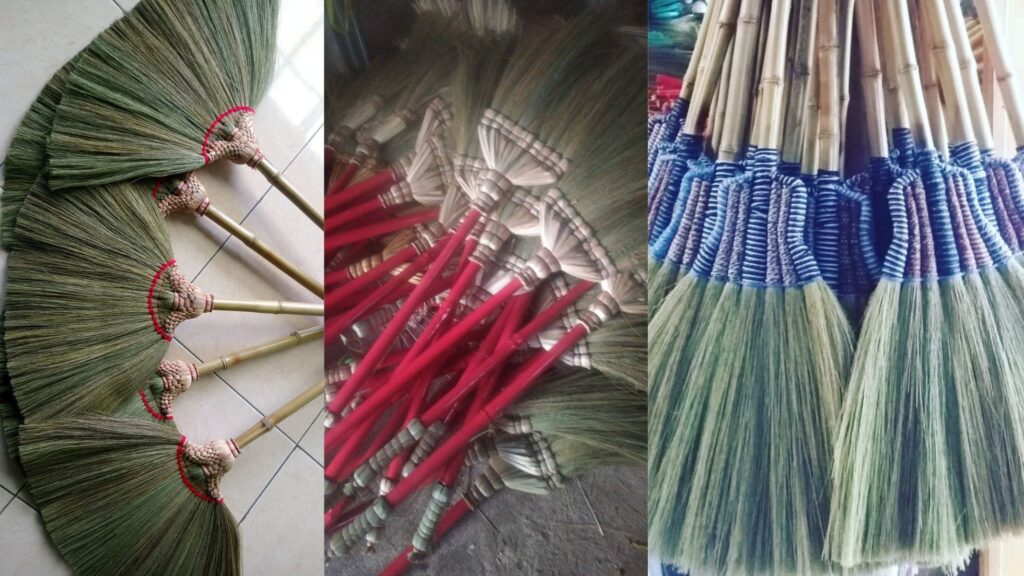
The economics behind natural fibre broom production involve multiple layers. Raw material sourcing represents the foundation. Fibre availability depends on climate, agricultural cycles, and regional harvesting practices. Because most natural fibres are renewable, supply remains relatively stable. However, environmental factors such as rainfall, soil health, and seasonal timing still influence quality.
Labor constitutes another major factor. Skilled workers must prepare fibres, bind them, assemble broom heads, and finish handles. This hands-on craftsmanship shapes the final product. While automation can support certain steps, natural fibre production cannot be fully mechanized without compromising quality. Thus, manufacturers invest in training and worker support to maintain consistent standards.
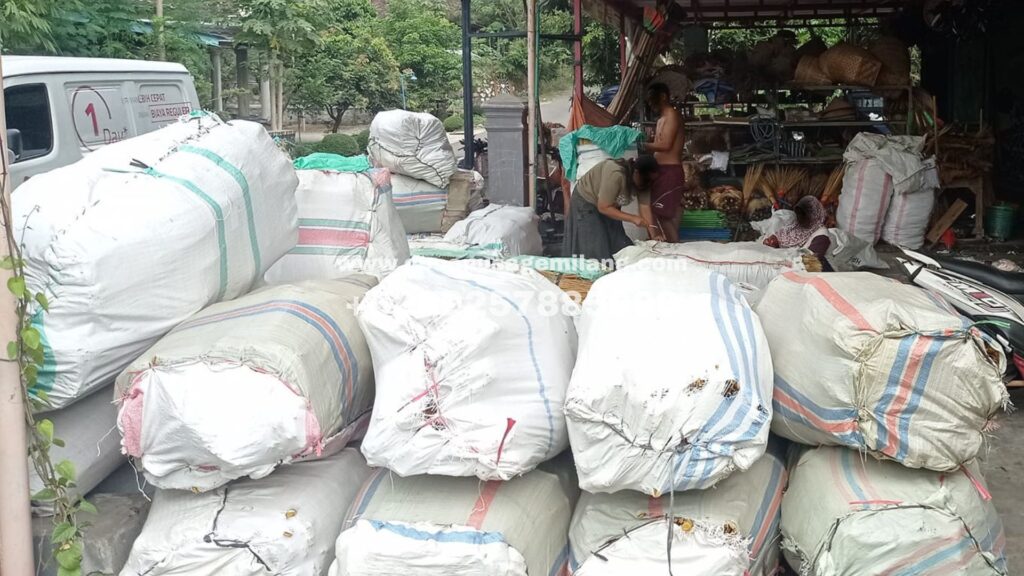
Export packaging completes the supply chain. Natural fibres must be protected from moisture and deformation during transit. Proper bundling prevents bristle bending. Carton weight limits must comply with international logistics requirements. Because long-distance shipping often exposes brooms to temperature shifts, manufacturers use moisture-resistant liners and reinforced cartons to preserve shape.
Why Natural Fibre Brooms Continue to Matter
Natural fibre brooms remain indispensable despite technological advancement. They function without electricity, making them ideal in rural areas, outdoor settings, or locations where power reliability is inconsistent. They also offer immediate, quiet cleaning without the noise or mechanical complexity associated with vacuum cleaners. More importantly, their eco-friendly nature aligns strongly with global sustainability goals.
The tactile feedback provided by natural fibres enriches the sweeping experience. Users feel more connected to the tool and the floor surface. This level of control is difficult to replicate with synthetic bristles. Because natural fibres retain their shape longer, users benefit from consistent performance. As a result, these brooms remain highly valued even in modern, mechanized environments.
Given these advantages, natural fibre brooms will continue to play a meaningful role in both household and commercial cleaning for many years. Their blend of practicality, sustainability, and craftsmanship keeps them relevant regardless of technological change.
COCO NUSA GEMILANG, YOUR TRUSTED NATURAL FIBRE BROOM MANUFACTURER FOR EUROPE
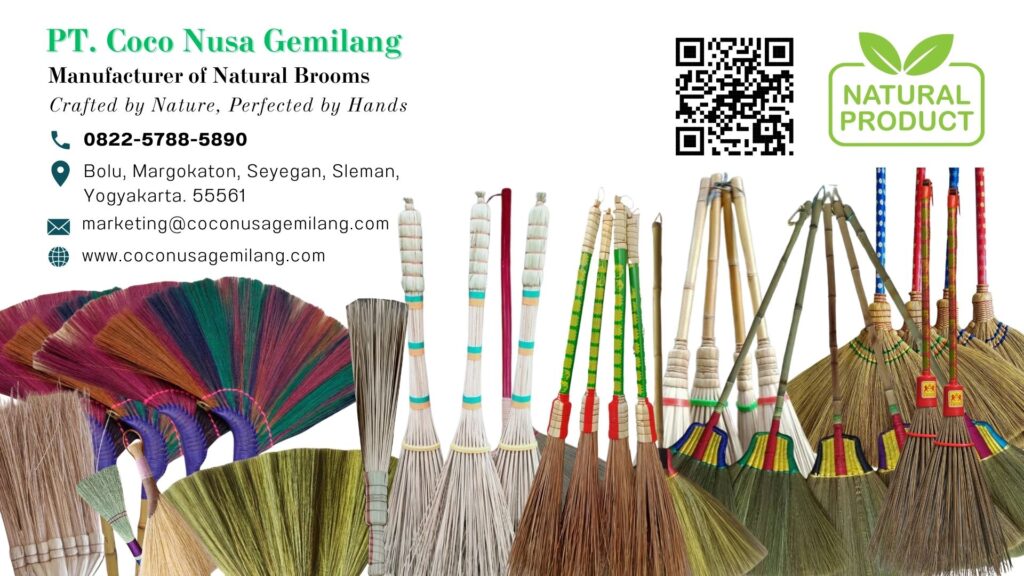
Coco Nusa Gemilang is a dedicated natural fibre broom manufacturer ready to supply export markets across Europe. Our products meet international expectations through careful fibre selection, precise binding, and packaging designed for long-distance transport. Moreover, we tailor specifications—such as fibre density, handle material, and sweeping profile—to fit European cleaning habits and retail standards. This attention to detail ensures dependable quality with every shipment.
In addition, our pricing remains accessible for both large and small buyers, starting from 0.9 USD to 2 USD per piece (FOB Port Semarang, Indonesia) depending on order volume. We understand that distributors and wholesalers need flexible options, so we offer custom labeling, private branding, and packaging that meets EU compliance requirements. These features enhance resale value and create a strong competitive advantage in the European market.
Coco Nusa Gemilang upholds a commitment to best handicraft, best cleaning tools. We take pride in producing natural fibre brooms that combine strength, durability, and aesthetic consistency. With reliable production capacity and export-ready logistics, we stand prepared to serve European customers seeking sustainable, high-quality, natural fibre brooms backed by professional service and competitive pricing.