

In today’s environmentally conscious market, the search for sustainable materials has intensified. Among the many natural resources gaining attention, coconut leaf stick stands out as a practical, eco-friendly, and commercially viable option. Derived from the midrib of coconut leaves, this material has long been used in traditional crafts. However, its relevance has expanded significantly as global markets shift toward greener alternatives.
At its core, coconut leaf stick represents efficiency. It transforms what would otherwise be agricultural waste into a valuable product. Coconut trees produce abundant leaves throughout the year, making the raw material both renewable and accessible. As a result, industries can maintain a steady supply without placing additional strain on the environment.
What Is Coconut Leaf Stick?
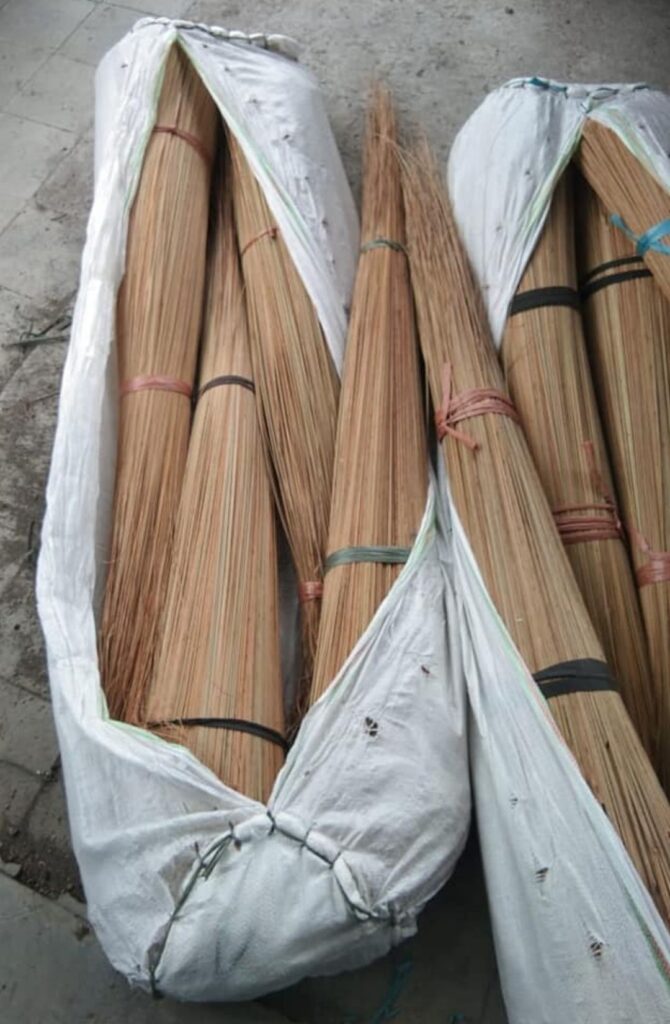
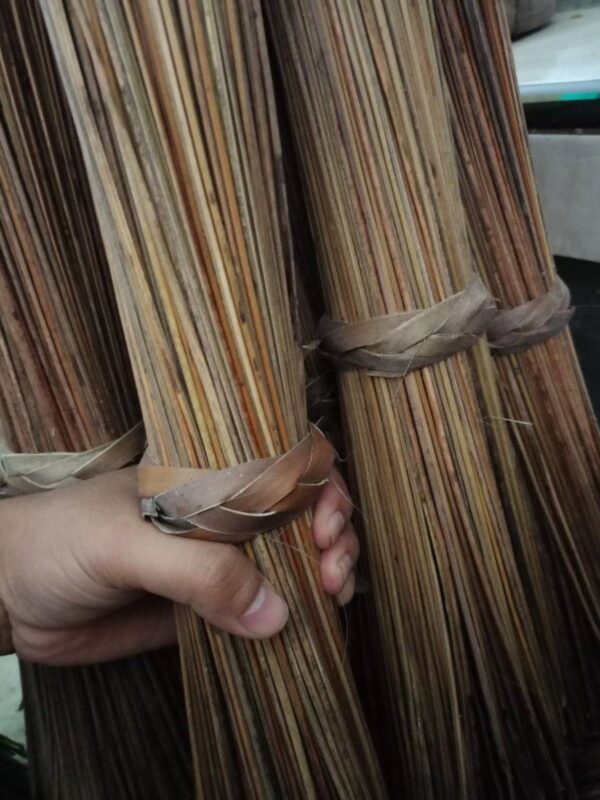
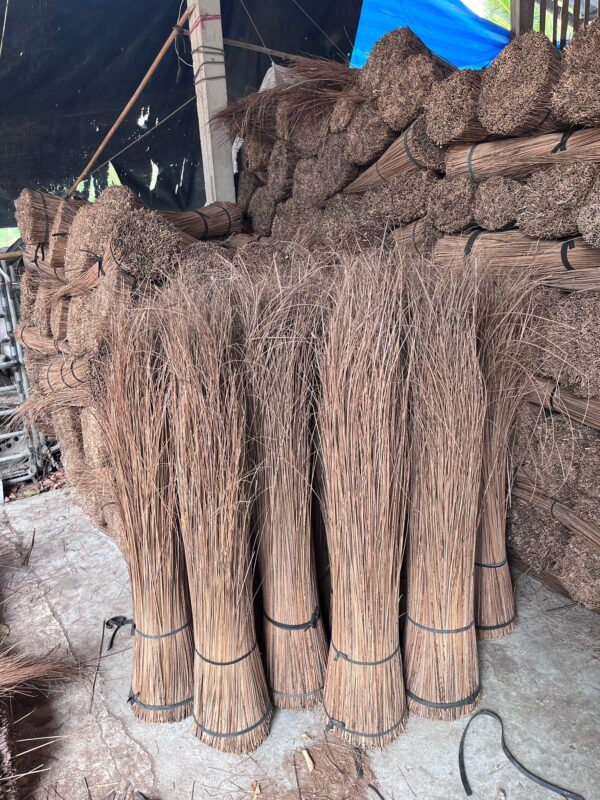
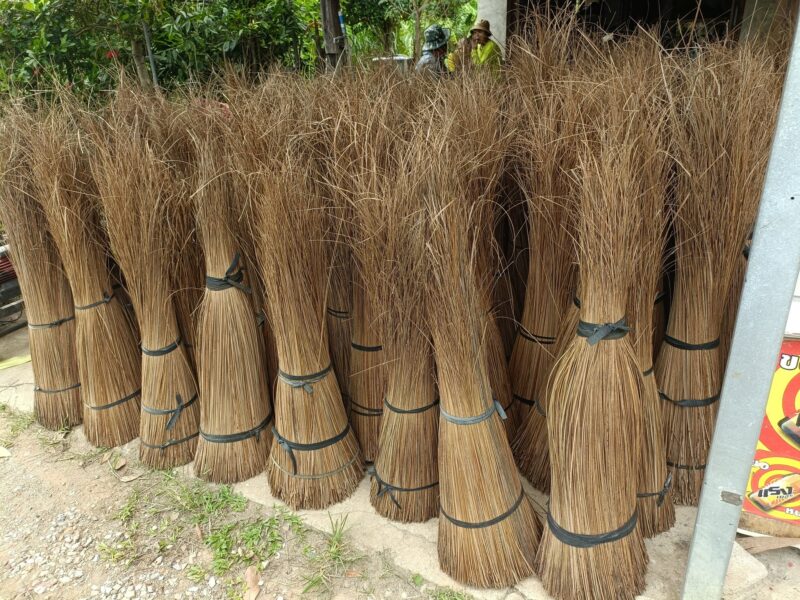
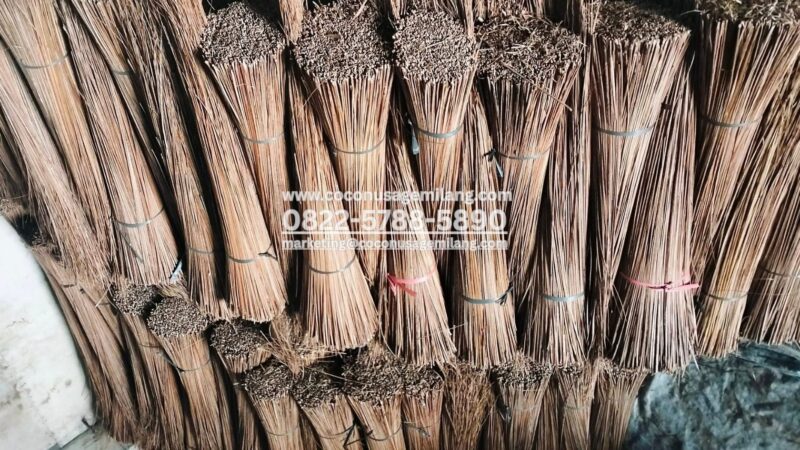
Coconut leaf stick refers to the rigid central spine of coconut leaves. After harvesting, workers separate these sticks from the leafy portions, clean them, and allow them to dry naturally. Once processed, the sticks become the primary component for various products, most notably traditional brooms.
Unlike synthetic materials, coconut leaf sticks offer a natural texture and flexibility that enhance usability. They are lightweight yet durable, making them ideal for everyday household tools. Furthermore, they do not contribute to microplastic pollution, which has become a growing concern worldwide.
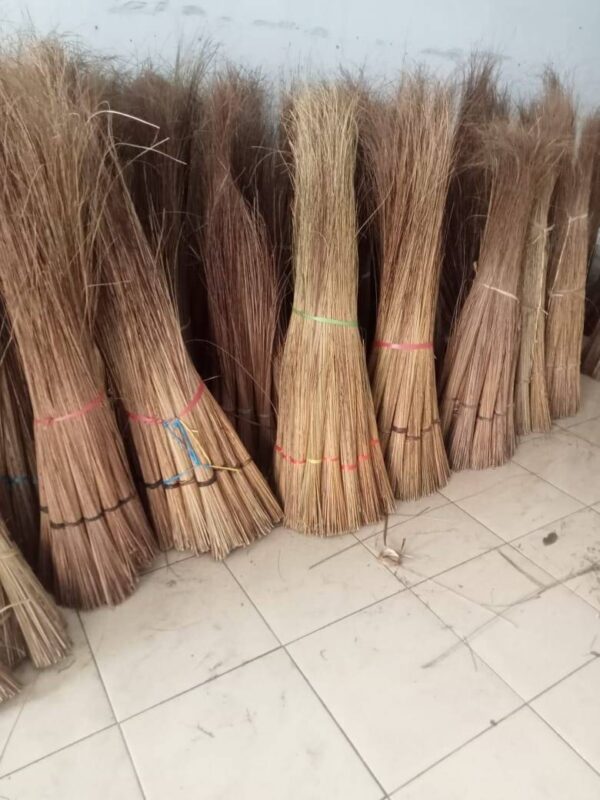
From a production perspective, the process blends simplicity with skill. Artisans carefully sort and bundle the sticks to ensure uniformity. This hands-on approach not only preserves craftsmanship but also supports local communities.
Rising Global Demand for Coconut Leaf Stick Products
The global market has undergone a noticeable transformation. Consumers now prioritize sustainability, and businesses must adapt to remain competitive. Consequently, products made from coconut leaf stick have gained traction across various regions.
Several factors contribute to this trend. Governments are enforcing stricter environmental regulations, particularly regarding plastic usage. At the same time, consumers are more informed and selective about their purchases. They prefer products that align with their values, including environmental responsibility and ethical sourcing.
In this context, coconut leaf stick products offer a compelling solution. They are biodegradable, cost-effective, and rooted in traditional practices. Additionally, their natural aesthetic appeals to modern consumers who appreciate authenticity.
Key Applications of Coconut Leaf Stick
Although brooms remain the most recognized product, coconut leaf stick has diversified into multiple applications. This adaptability increases its market potential and opens new opportunities for innovation.
In households, coconut leaf stick brooms are valued for their effectiveness in sweeping fine dust and debris. Their structure allows for precise cleaning, particularly in outdoor spaces. Meanwhile, in agriculture, these sticks can serve as plant supports or fencing materials.
Artisans have also embraced coconut leaf sticks for decorative purposes. They create handcrafted items such as baskets, ornaments, and rustic home décor. These products often appeal to niche markets that value handmade goods.
Moreover, designers are exploring ways to incorporate coconut leaf stick into sustainable packaging solutions. This development reflects a broader shift toward reducing reliance on non-biodegradable materials.
Quality Factors That Influence Market Value
Quality plays a critical role in determining the success of coconut leaf stick products. Buyers often assess several key factors before making purchasing decisions.
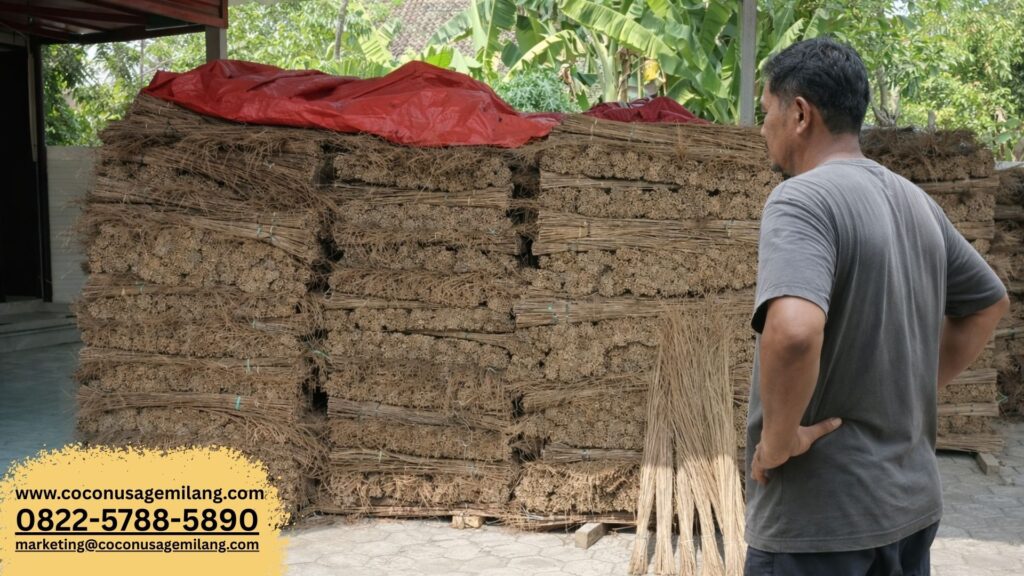
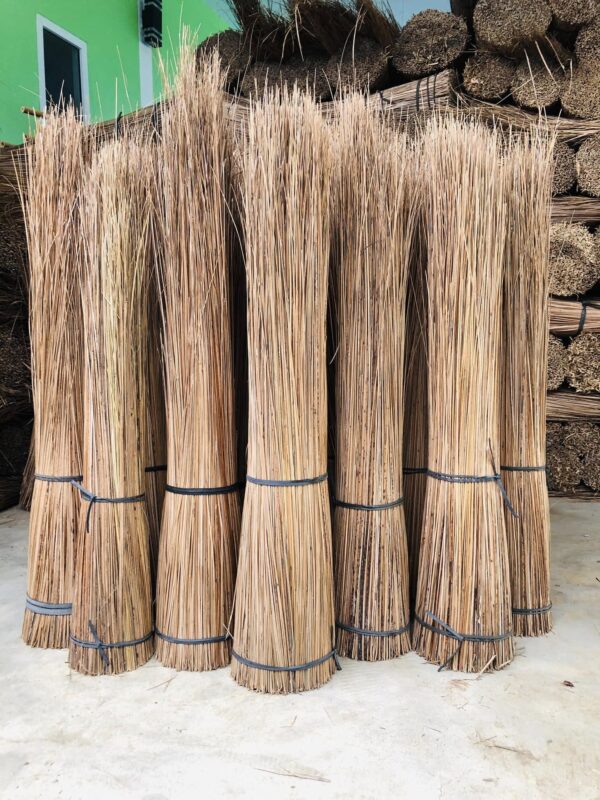
First, the strength and straightness of the sticks are essential. High-quality sticks should be firm, flexible, and free from cracks. Second, the drying process must be carefully managed to prevent moisture retention, which can lead to mold.
Additionally, consistency in size and bundling enhances the overall appearance and functionality of the product. Skilled craftsmanship ensures that each piece meets market standards. Therefore, producers who prioritize quality control can build stronger relationships with buyers and command better pricing.

Supply Chain and Export Opportunities
The supply chain for coconut leaf stick products typically begins in rural areas where coconut trees are abundant. Farmers collect the leaves, which are then processed by local artisans or manufacturing units.
From there, the products move through distribution channels before reaching international markets. Export destinations include countries in Asia, the Middle East, Europe, and Oceania. Each market has unique preferences, requiring suppliers to remain adaptable.
Efficient logistics are crucial in this process. Access to reliable ports, proper packaging, and accurate documentation can significantly impact delivery timelines. Therefore, suppliers with strong logistical capabilities have a clear advantage.

Coco Nusa Gemilang: Leading the Coconut Leaf Stick Industry
Indonesia has emerged as a major hub for coconut-based products, including coconut leaf stick. Among the prominent players, Coco Nusa Gemilang has established itself as a trusted manufacturer and supplier of high-quality coconut leaf stick handicrafts.
The company combines traditional expertise with modern production practices. As a result, it consistently delivers products that meet international standards. This commitment to quality has helped Coco Nusa Gemilang build a strong reputation among global buyers.
In terms of pricing, the company offers competitive rates that remain accessible to various market segments. Importantly, prices can be adjusted based on order volume, allowing clients to optimize their purchasing strategies. This flexibility creates opportunities for both small and large-scale buyers.
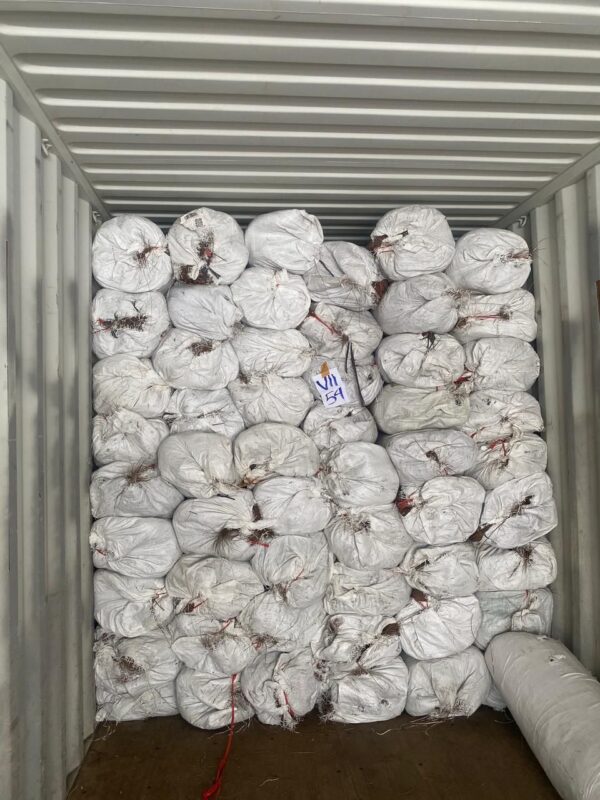
Furthermore, Coco Nusa Gemilang demonstrates impressive production capacity. The company is ready to supply up to 2 x 40 HC containers per month through Semarang Port, Indonesia. This capability ensures that even high-demand orders can be fulfilled efficiently.
Equally significant, the company maintains open and transparent communication. Pricing and product specifications can be discussed and negotiated to reach mutually beneficial agreements. This approach fosters long-term partnerships and encourages business growth.
The Importance of Strategic Collaboration
In an increasingly competitive market, collaboration is no longer optional—it is essential. Businesses that form strong partnerships with reliable suppliers can achieve greater efficiency and consistency.
For instance, working closely with manufacturers allows buyers to customize products according to their target markets. Adjustments in design, size, or packaging can significantly enhance product appeal. At the same time, suppliers gain insights into emerging trends and consumer preferences.
Therefore, now is the ideal moment to explore collaborative opportunities. By building strong relationships, businesses can expand their reach and improve their market positioning.

Sustainability as a Business Advantage
Sustainability is a defining factor in modern commerce. Companies that prioritize eco-friendly practices can differentiate themselves and attract a broader customer base.
Coconut leaf stick products align perfectly with this objective. They utilize renewable resources, require minimal processing, and decompose naturally. As a result, they reduce environmental impact while maintaining functionality.
Moreover, incorporating sustainable products into a business portfolio can enhance brand image. Consumers are more likely to support companies that demonstrate environmental responsibility. Consequently, coconut leaf stick products offer both ethical and economic benefits.
Challenges in the Coconut Leaf Stick Industry
Despite its potential, the industry faces several challenges. These include fluctuations in raw material supply, variations in labor availability, and competition from low-cost producers.
However, these challenges can be addressed through strategic planning. Investing in workforce training, improving production efficiency, and maintaining quality standards are key steps toward long-term success.
Additionally, effective branding can help differentiate products in a crowded market. By highlighting sustainability and craftsmanship, businesses can create a stronger connection with consumers.
Future Prospects and Market Growth
The future of coconut leaf stick products looks promising. As global awareness of environmental issues continues to grow, demand for sustainable materials is expected to increase.
Innovation will play a crucial role in this expansion. New product designs, improved manufacturing techniques, and creative applications will drive market growth. At the same time, maintaining authenticity and quality will remain essential.
Businesses that invest in these areas will be better positioned to capitalize on emerging opportunities. Therefore, proactive strategies are essential for long-term success.
Conclusion: Let’s Build a Sustainable Future Together
Coconut leaf stick is more than just a raw material—it is a gateway to sustainable innovation and economic growth. Its versatility, affordability, and environmental benefits make it an ideal choice for modern markets.
At the same time, success in this industry depends on strong partnerships. Collaborating with experienced suppliers like Coco Nusa Gemilang can ensure consistent quality and reliable supply.
So, why wait? Now is the perfect time to explore the potential of coconut leaf stick products. Let’s work together to expand market reach, promote sustainability, and create lasting value.