Sweeping the World: Asia’s Natural Broom Industry and Its Global Impact
Asian brooms represent more than tools for sweeping floors. They reflect agriculture, craft lineage, and community values that have matured over centuries. Across the continent, every region developed distinctive broom styles shaped by local plants, household needs, and cultural rituals. In villages and growing cities alike, broom craft persists as a bridge between tradition and modern living. The story of Asian brooms also illustrates an evolving global shift toward natural, biodegradable household products, especially as the world grows impatient with synthetic waste.
Historically, brooms in Asia emerged from necessity and resource ingenuity. Farmers worked with what the soil provided. Sturdy grass species, coconut palms, bamboo, and stiff sorghum stalks became the foundation for sweeping tools designed to handle specific surfaces. Rather than focusing on industrial uniformity, craftsmen prioritized durability, balance, and tactile comfort. That careful attention to form and utility continues to distinguish Asian broommaking today, even as manufacturing expands into dedicated facilities.
In many countries, broommaking existed as a seasonal craft. Farmers gathered broom grass during harvest periods and tied bundles for sale in rural markets. The labor represented patience and skill. Over time, certain regions became renowned for exceptional broom fibers. For instance, Southeast Asia’s tropical climate supports vibrant grass varieties ideal for indoor and outdoor use. Meanwhile, coconut‐growing areas developed coconut coir brooms prized for strength and resilience. These ecological conditions naturally shaped craft identity.
Cultural Role and Social Meaning
Asian brooms also occupy symbolic roles. In Japan, traditional sorghum brooms appear in Shinto rituals to purify spaces. In India, sweeping is associated with spiritual humility and the act of removing negativity. Many Southeast Asian households still begin the day by sweeping their front steps, both to maintain cleanliness and to invite good energy for the day. Although daily life modernizes, these customs endure, showing that the broom is never just a utilitarian object.
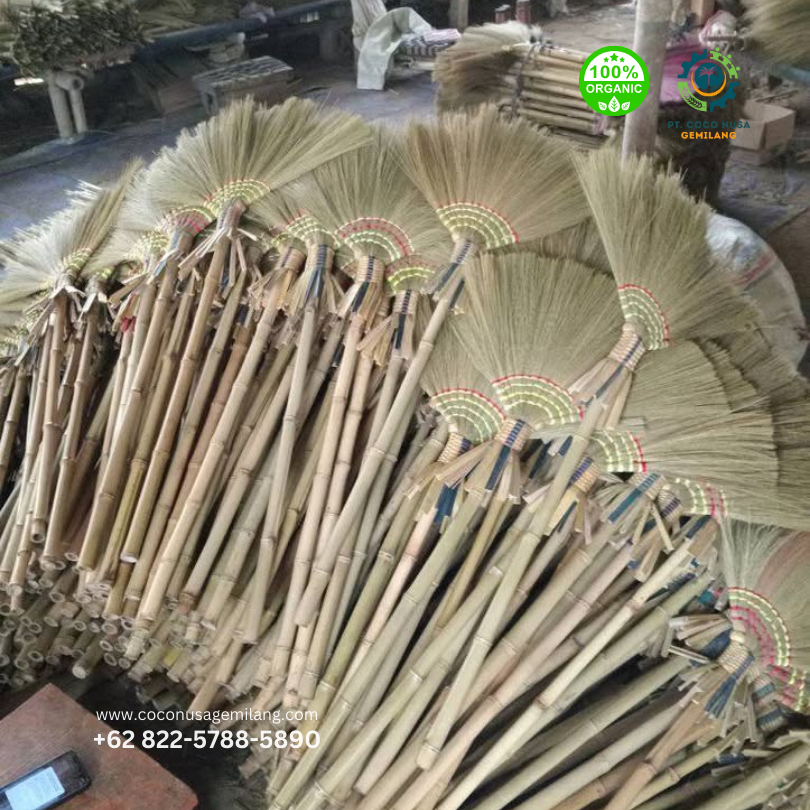
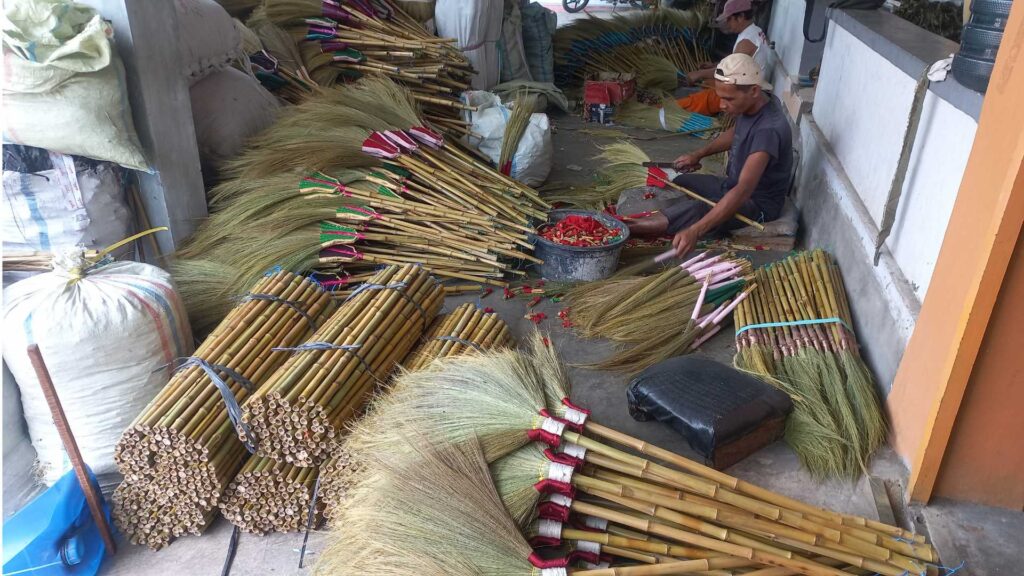
Rural artisans often view broommaking as a family heritage. Knowledge moves quietly from older hands to younger ones. Even with the rise of mechanized bundling and cutting, fine finishing work still demands human touch. Craftsmen assess fiber thickness, moisture, and alignment by instinct. That tactile intelligence cannot be replicated by automation alone. Therefore, the craft remains a balanced combination of tradition and efficiency.
This craft culture also fosters community bonds. Workshops in villages serve as social hubs where artisans collaborate, share tea, and discuss crops or local news. The broom, in this context, becomes an emblem of shared livelihood. As global consumers look for objects with authentic narratives, these cultural dimensions give Asian brooms a unique emotional appeal.
Key Materials and Regional Variations
Asia offers diverse ecological zones, each contributing plant materials suited for broom production. This biodiversity explains why broom designs vary widely across the continent.
Broom Grass (Thysanolaena maxima)
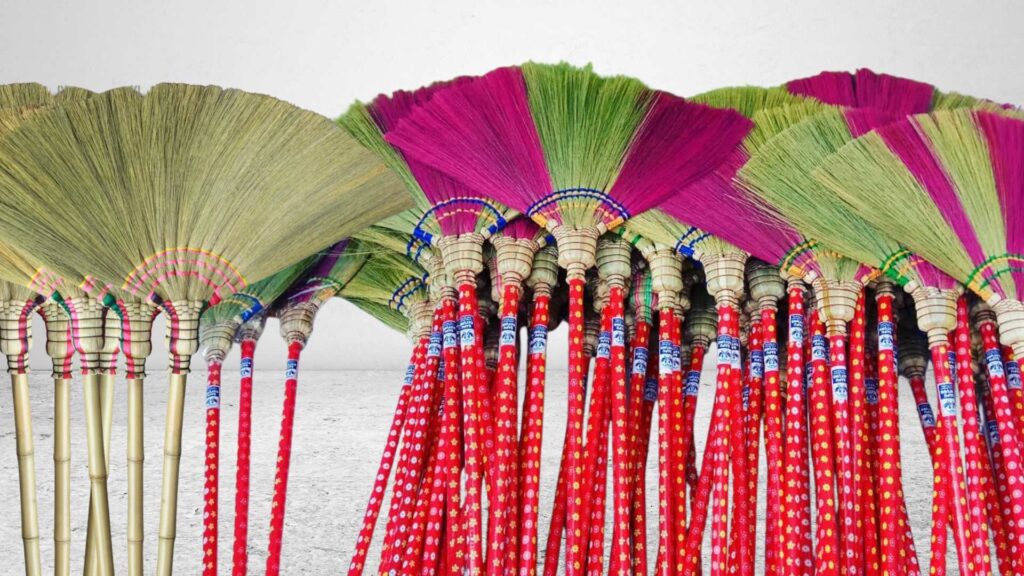
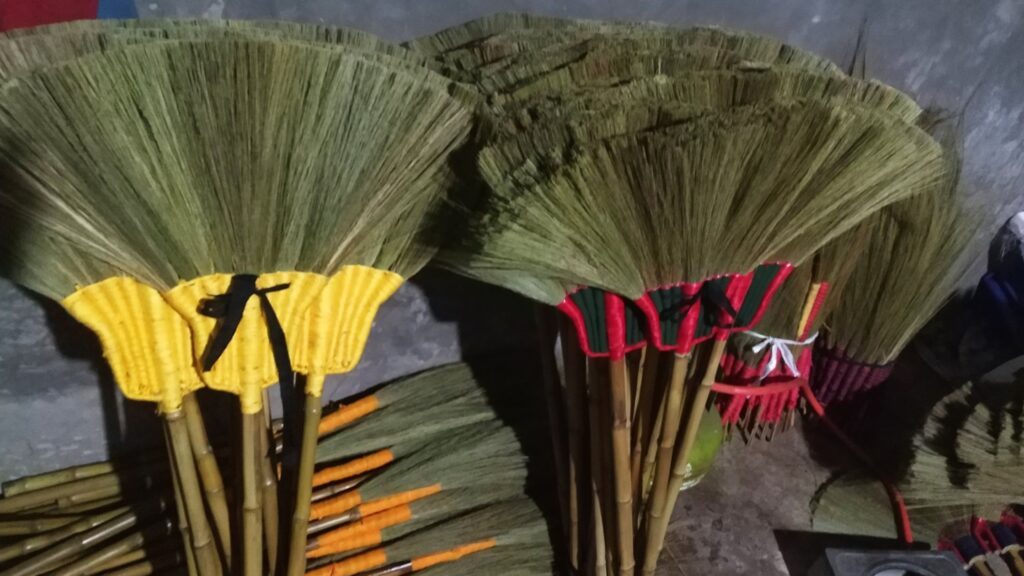
Grown especially in South and Southeast Asia, broom grass produces soft yet strong fibers. These brooms glide across tile, wood, and polished floors without scratching surfaces. Indonesia, Vietnam, and Nepal serve as key cultivation hubs.Sorghum Broomcorn
Known for stiff and straight stalks, sorghum broomcorn supports indoor and outdoor sweeping. Regions in East Asia and parts of Southeast Asia produce this crop in both small farms and larger plantations.Coconut Coir
Tropical nations such as Indonesia, the Philippines, and Sri Lanka use coconut husk fibers to create outdoor brooms. Coir offers incredible durability and moisture resistance, making it ideal for patios, sidewalks, and garden cleaning.Bamboo and Palm Sticks
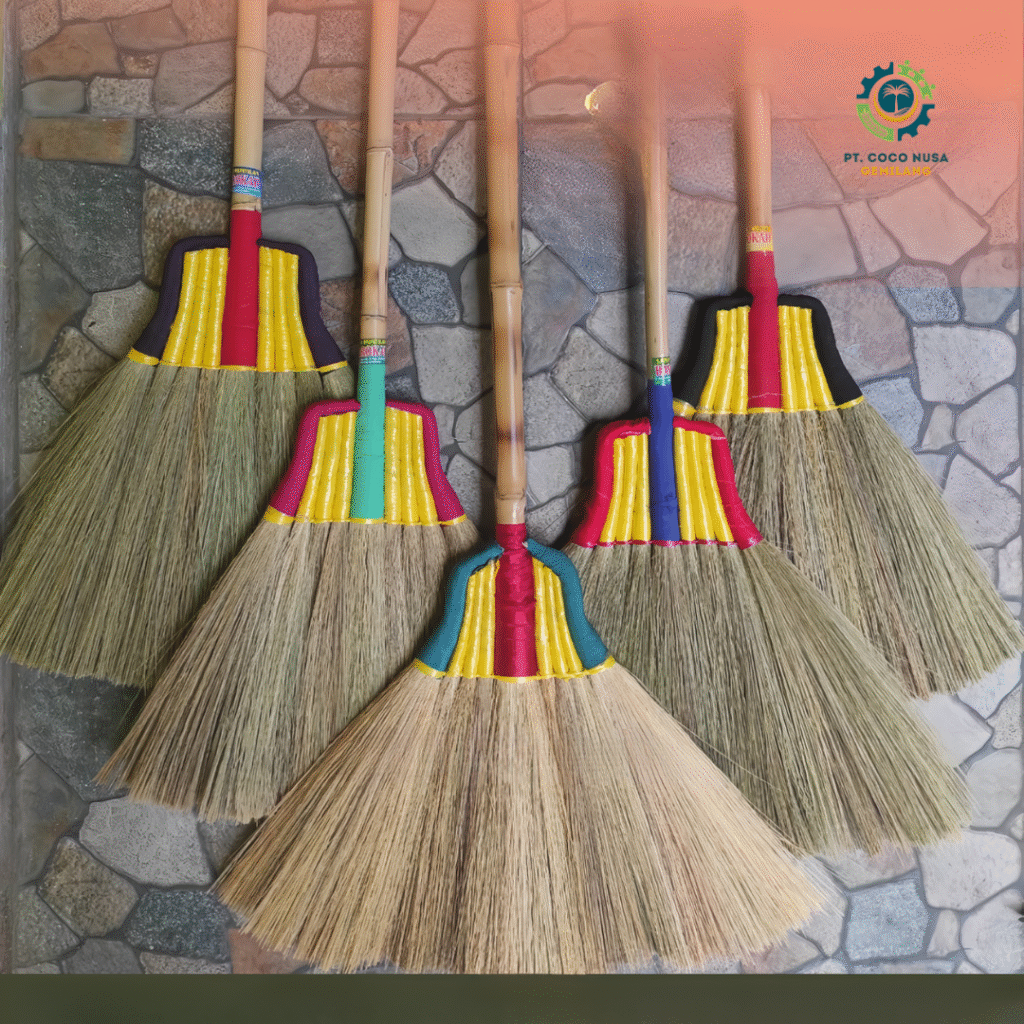
Used primarily for handles and stiff broom heads, bamboo remains a sustainable and lightweight option.
Because each material behaves differently, artisans match fiber qualities to specific tasks. Consequently, a household in Jakarta may use broom grass for interior rooms and a sturdy coir broom for sweeping leaves outside. This specialized function demonstrates thoughtful craft evolution.
The Practical Science Behind Asian Brooms
Good broommaking takes more than plant harvesting. Fiber curing, drying, and combing determine texture. Artisans must avoid over‐drying, which weakens stalks, and prevent moisture retention that leads to mold. Binding style matters as well. Twine tension affects how the broom spreads across a surface. Handle weight influences ergonomics and reduces fatigue during long sweeping sessions. These seemingly small details contribute to the reputation Asian brooms enjoy for comfort and long lifespan.
Many consumers worldwide notice that Asian brooms feel lighter and sweep more efficiently than plastic push brooms. That difference stems from fiber flexibility and broader surface contact. Dust particles cling naturally to plant fibers, reducing airborne residue. As people adopt toxin‐free cleaning habits, natural brooms align with eco‐friendly priorities. They biodegrade at the end of their cycle, leaving no synthetic traces in landfills or oceans.
Shifts in Global Demand and Sustainable Living
Demand for Asian brooms increases as global consumers prioritize sustainability and artisanal craftsmanship. Part of this shift relates to environmental responsibility. Plastic heavy industries generate pollution, while natural fiber brooms depend on renewable agriculture. Additionally, international buyers appreciate the story behind each broom. Transparency about sourcing, labor ethics, and fair trade appeals to mindful markets in Europe, North America, and the Middle East.
Urban lifestyle changes further stimulate interest. Minimalist households prefer tools that look refined and feel authentic. Interior designers showcase natural brooms as décor accents in modern homes. Meanwhile, garden enthusiasts rely on coir brooms for outdoor upkeep. Across these segments, users seek durability without sacrificing aesthetics.
Export Industry Expansion and Quality Standards
As Asian broommakers expand into global distribution, quality control becomes essential. International buyers require consistent fiber grades, uniform cutting, stable binding, and reliable packaging. Export‐focused facilities invest in testing equipment, humidity control rooms, and specialized finishing stations. Workers undergo training to meet expectations of European and American importers, particularly regarding regulations on plant materials and phytosanitary compliance.
Although automation supports trimming and compression packing, skilled artisans remain central to the process. Their experience guarantees quality beyond what machines can calculate. Export companies benefit from this hybrid approach. It protects cultural value while improving production capacity. Additionally, fair labor practices and local farmer partnerships strengthen supply chains, ensuring long term raw material availability.
Future Prospects
Asian brooms continue to evolve in aesthetics and application. Designers experiment with handle ergonomics, fiber blends, and improved weather coating for outdoor models. Packaging innovations also matter, since many retailers want ready‐to‐display formats and branded bundles. Digital marketing enables small producers to reach global audiences through online marketplaces and direct supply networks. With proper training in international trade logistics, small workshops can supply bulk orders and custom OEM requests.
Looking ahead, knowledge transfer and sustainable farming programs will play critical roles. Supporting broom grass cultivation, coconut replanting, and soil restoration ensures long term viability. Because broom industries rely on rural farming families, export success directly contributes to rural economic resilience. As a result, consumers purchasing Asian brooms indirectly invest in agricultural communities.
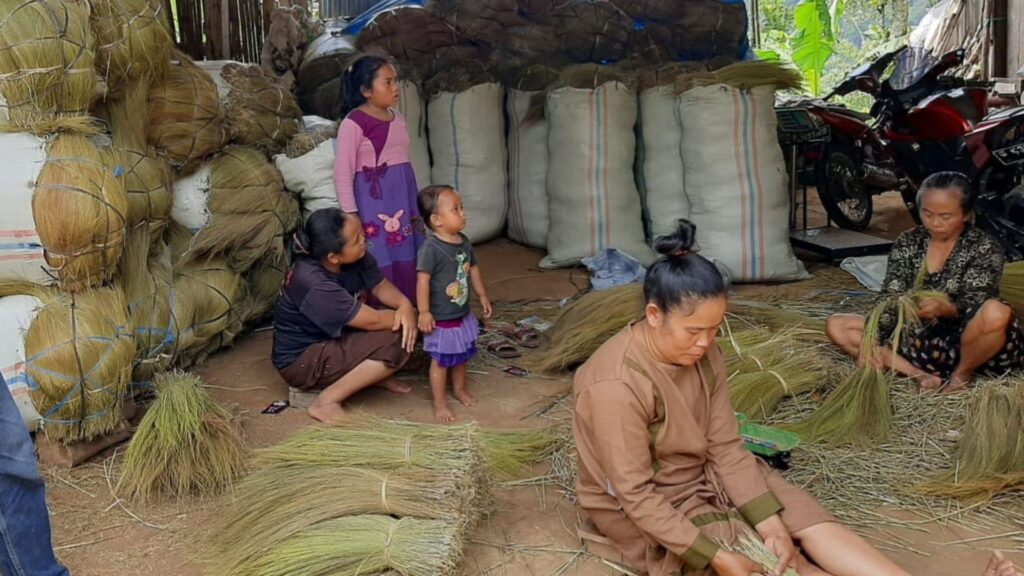
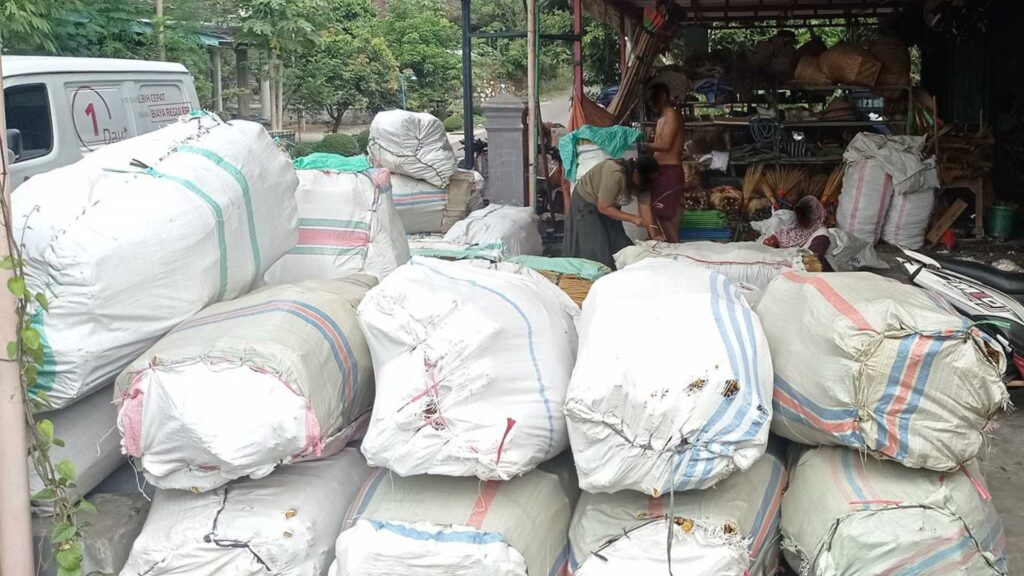
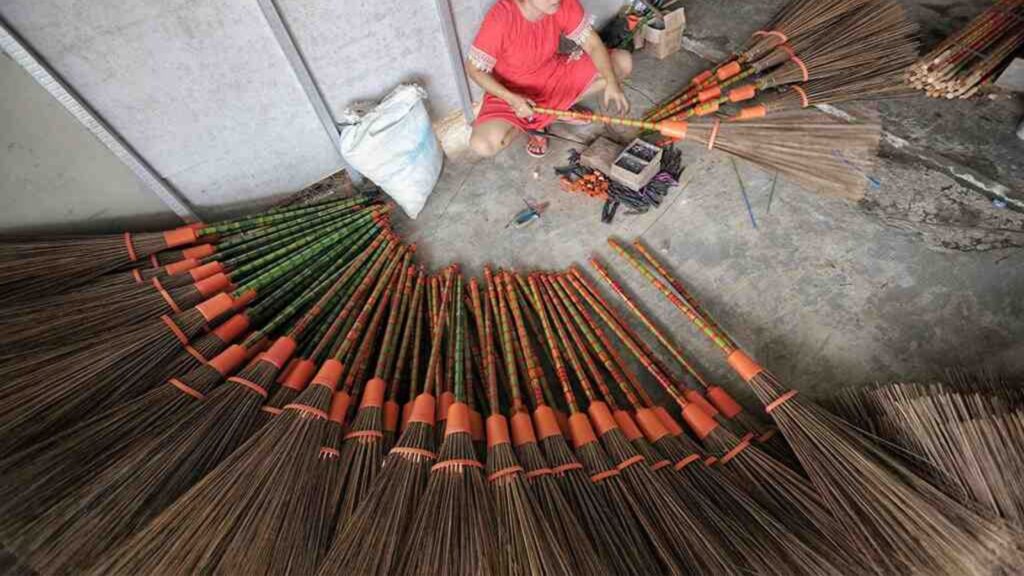
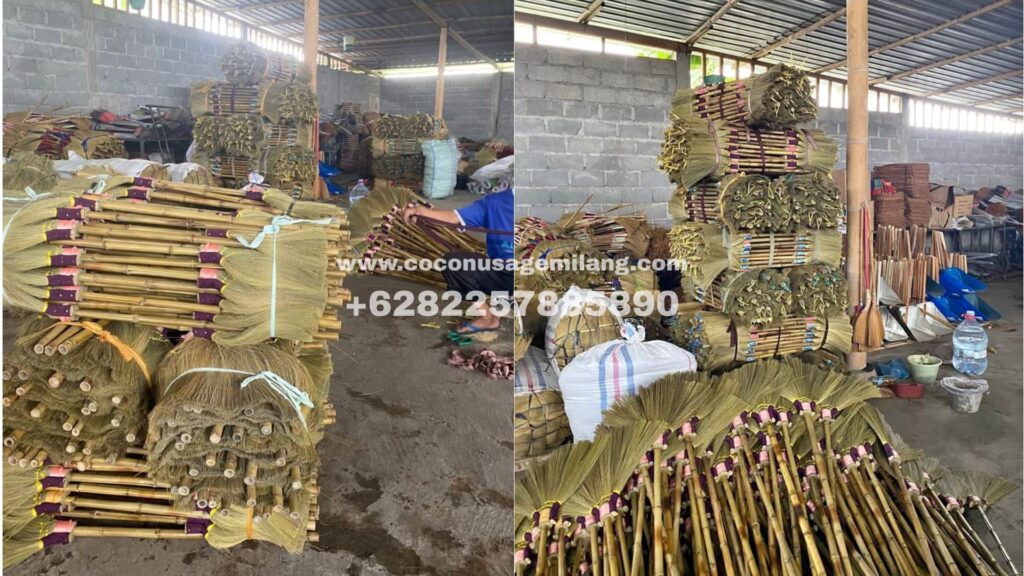
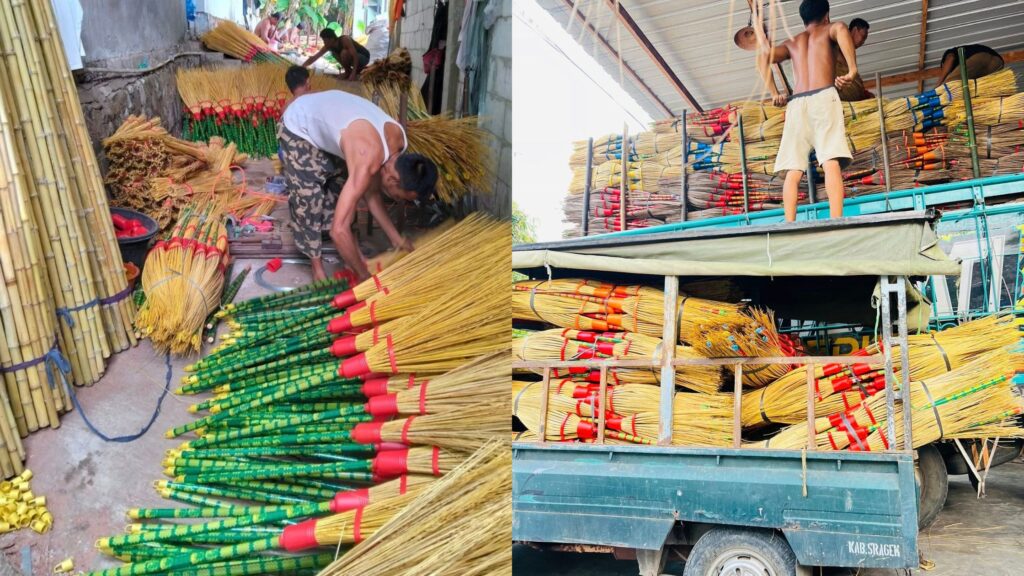
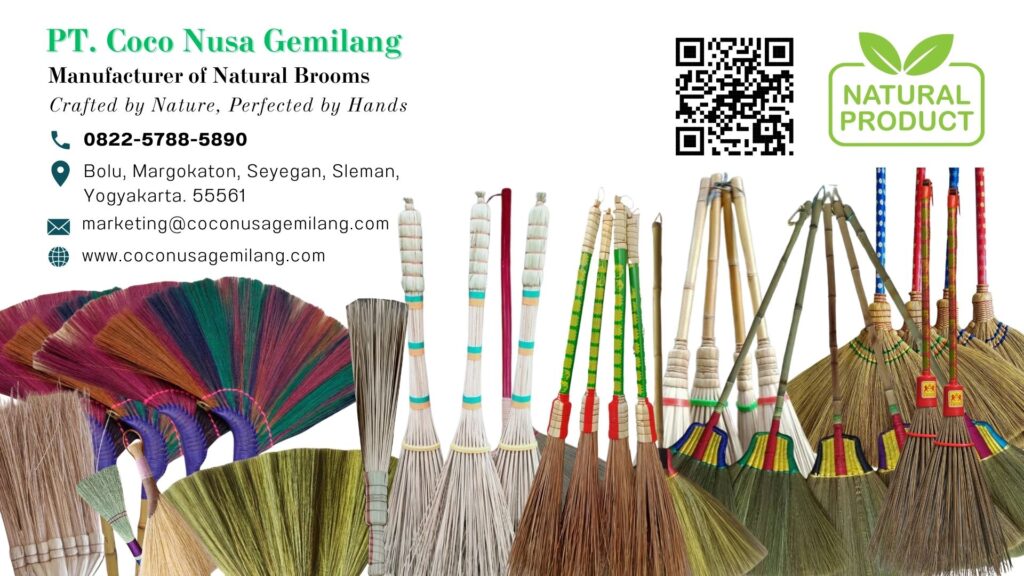
Coco Nusa Gemilang stands among Indonesia’s dedicated Asian broom manufacturers, committed to delivering quality natural brooms for international markets. Our production integrates traditional fiber selection with modern inspection procedures. This balance ensures durable sweeping performance while maintaining the cultural heritage behind each product.
We supply broom grass, sorghum, and coconut coir brooms tailored for European import standards. Furthermore, we understand that every buyer has different needs. Therefore, we offer competitive FOB pricing from Semarang Port, Indonesia, ranging from 0.9 USD to 2 USD per piece, depending on order volume and specifications. Consistent quality, secure packaging, and reliable shipment schedules remain our operational priorities.
For wholesalers, distributors, and brands seeking trusted production partners, Coco Nusa Gemilang provides flexible cooperation. Our team welcomes long term export cooperation and private label manufacturing. Moreover, we pride ourselves on transparent communication and responsible sourcing. Through sustainable production and fair partnerships with local farming communities, we strengthen both the craft and the market’s future.