
Broom grass has been a dependable material for functional cleaning tools for centuries. The plant’s natural fibers, durability, and renewable properties keep it relevant in modern markets that often seem dominated by synthetics. For manufacturers and distributors, sourcing broom grass in bulk is not only a matter of operational efficiency but also a strategic decision tied to quality, economics, and environmental value. When examined closely, the broom grass supply chain reflects a combination of agricultural tradition, rural empowerment, and global trade patterns.
Importers and wholesalers often treat broom grass as a simple commodity. Yet the material’s durability, fiber density, and moisture balance depend heavily on cultivation practices. The more one understands these details, the easier it becomes to choose a supplier capable of meeting international standards. Although broom grass is harvested across many tropical regions, not every region maintains the same curing practices or grading rules. Therefore, buyers who need consistent performance rely on structured producers and not random collectors.
Another factor shaping bulk purchasing is the rapid expansion of global demand. Cleaning tools remain necessities everywhere, especially in regions transitioning toward urban lifestyles. Even as vacuum cleaners and automated tools grow common, consumers still reach for natural brooms for tasks that require control, speed, or low maintenance. Consequently, the broom grass bulk market now touches countries far outside its traditional boundaries. With rising overseas interest, manufacturers are refining their logistics, adjusting packaging, and aligning with international regulations to stay competitive.
Moreover, sourcing broom grass in bulk has sustainability implications. Broom grass comes from naturally regenerative plants that require no chemical enhancements to thrive. When harvested responsibly, it supports ecosystems and local livelihoods. Buyers in Europe, North America, and parts of Asia increasingly evaluate environmental indicators when choosing suppliers. Those offering transparent agricultural practices and fair labor benefit greatly in these regions. Reliable producers recognize that sustainability is not merely a marketing term but an essential foundation for long-term growth.
Understanding the Physical Attributes of High-Grade Broom Grass
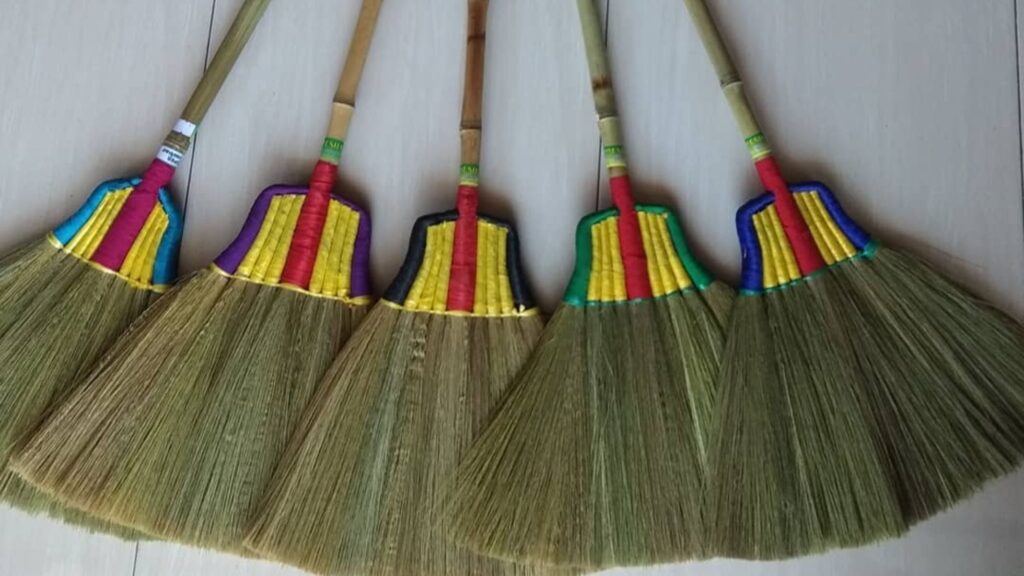
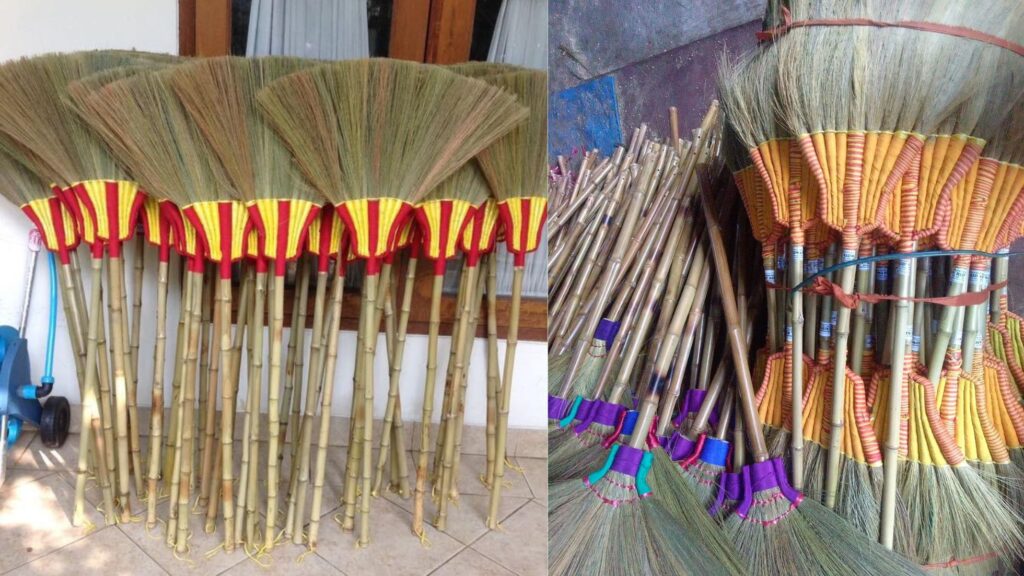
In bulk form, broom grass appears deceptively uniform; however, trained professionals notice variations in stiffness, fiber width, color, and drying quality. Proper drying remains crucial because moisture leads to decay, odor, and microbial activity. In contrast, sun-dried and air-balanced grass retains its elasticity and color for months. Successful exporters maintain dedicated drying fields and rotating harvest cycles to prevent fiber burn and brittleness.
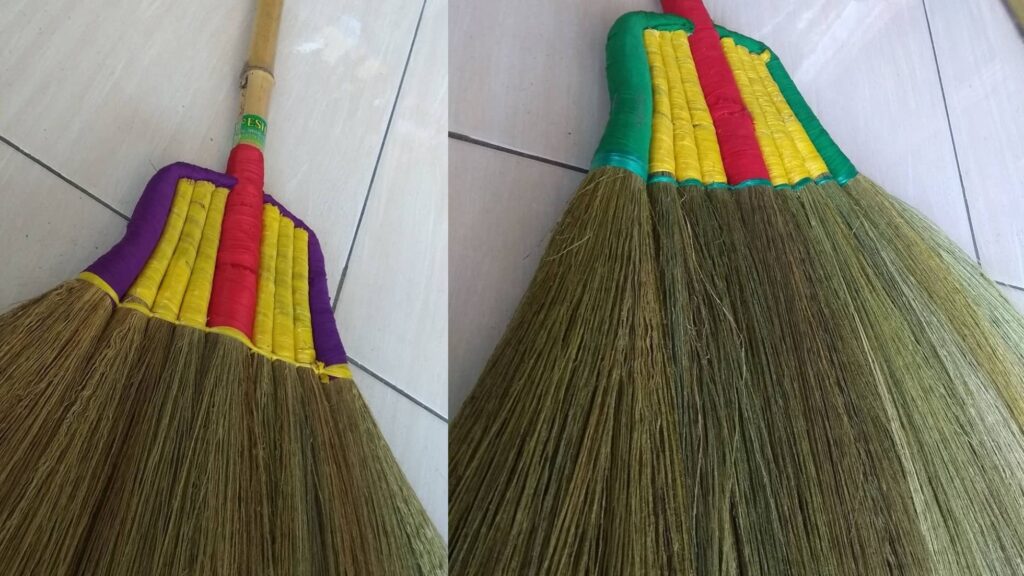
Thickness and fiber alignment also play key roles. Natural broom grass comes with subtle structural differences influenced by soil composition and rainfall. The strongest fibers typically originate from nutrient-rich soils and slopes where drainage is optimal. Buyers seeking long-term durability in finished brooms usually prioritize fibers with minimal fraying and clearly defined ends. Meanwhile, lower-grade grass finds use in economy-range brooms for mass markets.
Likewise, the uniformity of bundle size influences production efficiency. Manufacturers operating modern assembly lines require tightly sorted bunches that reduce manual adjustments. As a result, exporters often classify their bulk product into several categories—premium, standard, and mixed grades—each matched to particular regional markets.
The Economics Behind Bulk Supply
Bulk purchasing is almost always linked to cost efficiencies. Importers receiving consolidated shipments save on freight, customs handling, and per-unit packaging. More importantly, broom grass suppliers usually provide tiered pricing that decreases with higher volumes. The price difference becomes significant for distributors selling to retail chains, municipalities, and cleaning tool brands.
However, price should not overshadow consistency. Even a low-cost shipment becomes expensive if quality fluctuates and production stalls. Many experienced buyers insist on pre-shipment inspection reports, material photos, and fiber samples before confirming orders. Although these steps add time, they reduce risk substantially.
Global currency trends also influence bulk procurement. For institutions purchasing from Southeast Asia, currency variations against the USD can either strengthen or challenge margins. Consequently, many distributors establish long-term contracts that stabilize pricing across multiple shipment cycles.
Packaging Standards for International Markets
Packaging may seem secondary in raw material supply, yet broom grass bulk shipments rely heavily on the right packing methods. Grass bundles are usually compressed and tied, then stacked in bales, woven sacks, or custom-sized cartons. Exporters serving high-humidity destinations apply moisture-absorbing liners to protect the fibers. Because broom grass is organic, improper packing can trigger mold growth during long ocean transits.
As global shipping regulations evolve, compliance with fumigation and phytosanitary standards has become fundamental. Exporters who follow these protocols consistently earn the trust of international buyers. Additionally, the more organized producers offer customized labeling, bale coding, and palletization to support warehouse automation in receiving countries.
Global Demand and Emerging Market Trends
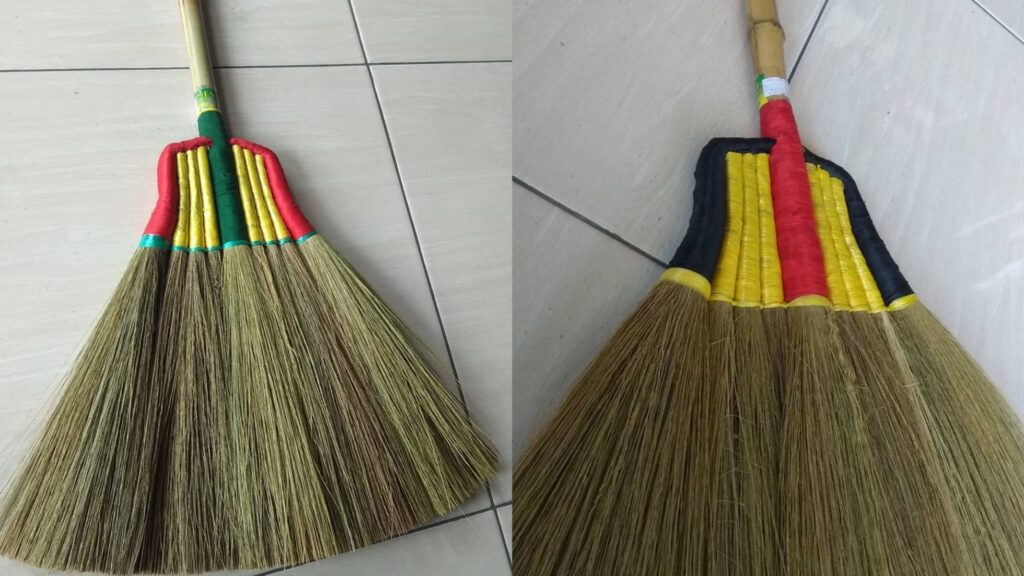
The broom grass bulk market has expanded rapidly in the past decade, thanks partly to the growth of handcrafted tools and eco-friendly household goods. Consumers now choose natural brooms for aesthetic as well as functional reasons. In many markets, the “natural home care” segment has grown faster than traditional cleaning categories.
Countries with strong artisanal industries—such as Japan, Germany, and Turkey—seek bulk grass for specialized broom designs. Their craftsmen value the fibers’ texture and flexibility. Meanwhile, large retailers in South America, Africa, and the Middle East depend on dependable supply chains to produce affordable cleaning tools for mass distribution.
As global demand diversifies, suppliers must adapt. They refine their cutting lengths, upgrade their baling systems, and adopt quality-traceability methods. These adjustments ensure that broom grass remains competitive in both traditional and modern applications.
Supply Chain Reliability and the Role of Technology
Technology has reshaped the broom grass industry in subtle ways. While the material remains natural and handmade in most stages, digital tracking, QR-based documentation, and automated sorting systems help exporters deliver consistent bulk shipments. These tools make communication clearer between producers and buyers. In addition, software-driven logistics systems assist with lead-time prediction, port selection, and freight planning.
Better technology also opens opportunities for forecasting. Large manufacturers now analyze climate data, harvest patterns, and soil indicators to estimate volumes for upcoming seasons. Buyers benefit from predictable availability and stable pricing.
Challenges in the Bulk Market
Despite its advantages, broom grass bulk supply faces challenges. Unpredictable weather patterns can disrupt yields. Rural labor shortages, often caused by migration, affect harvest volume. Furthermore, transport costs fluctuate due to global maritime instability. Buyers who understand these risks maintain flexible schedules and establish long-term relationships with reputable producers.
Ethical considerations also matter. The industry depends on rural communities. Responsible exporters invest in training and fair compensation to retain skilled harvesters. This ethical focus not only stabilizes supply but also supports sustainable rural economies.
COCO NUSA GEMILANG YOUR TRUSTED BROOM GRASS BULK MANUFACTURER
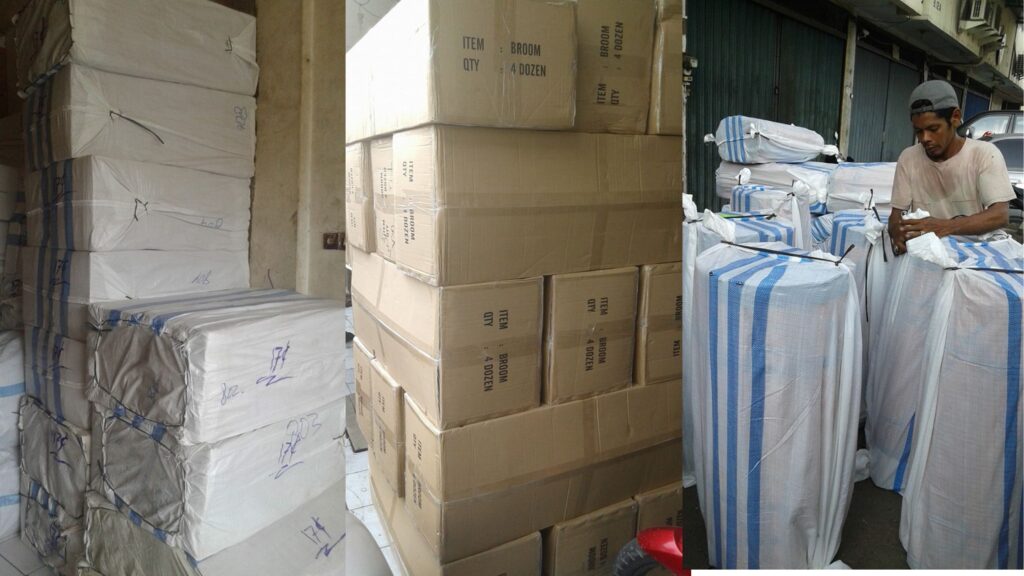
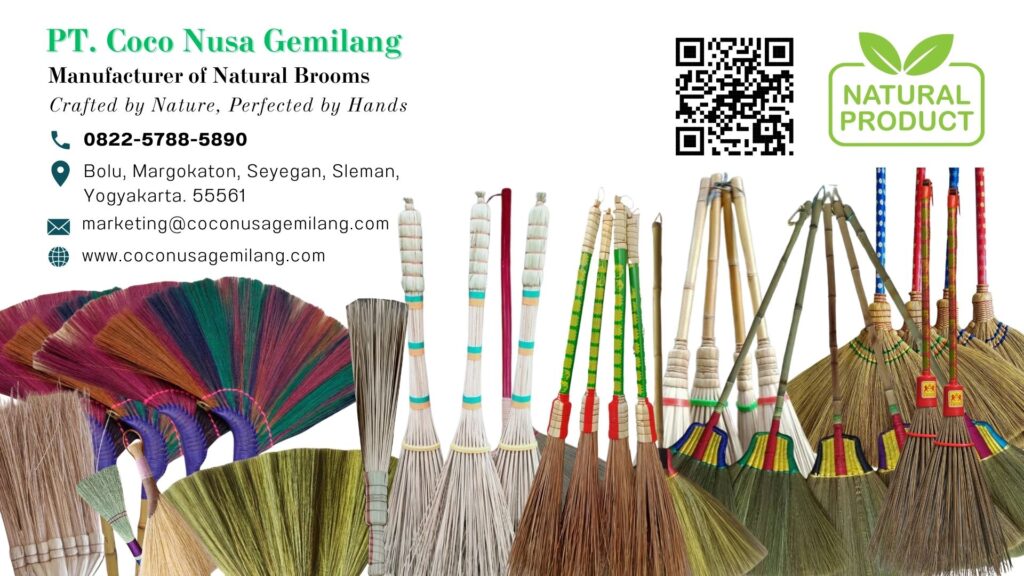
Coco Nusa Gemilang stands as a reliable broom grass bulk manufacturer prepared to export to markets across the world. The company has designed its production system to meet the expectations of international buyers who seek both consistency and competitive pricing. Moreover, Coco Nusa Gemilang aligns its output with global quality standards, ensuring each bundle is sorted, dried, and packed with precision. This commitment benefits merchants, wholesalers, and broom factories that require dependable materials for high-volume production.
Furthermore, the company adjusts its products to reflect international market preferences. Whether the destination is Asia, America, Africa, or Europe, Coco Nusa Gemilang accommodates diverse needs related to fiber grade, bundle size, and packaging format. With pricing between 0.9 USD and 2 USD per piece (FOB Port Semarang, Indonesia), buyers gain a practical advantage. The affordability makes the product competitive for retail chains, distributors, and private-label manufacturers looking to scale efficiently.
Additionally, Coco Nusa Gemilang offers free samples to clients anywhere in the world. This approach reduces decision-making risk while demonstrating the company’s quality standards firsthand. Each shipment benefits from well-structured packaging, clear communication, and export-ready documentation. Therefore, customers receive not only an affordable product but also a smooth procurement process. Best handicraft, best cleaning tools—this philosophy shapes every batch produced by Coco Nusa Gemilang.