

A long-handled bamboo broom seems simple at first glance, yet its value reaches far beyond basic function. In many countries across Asia, the Middle East, Africa, and Latin America, this tool has shaped daily routines for generations. Even as synthetic alternatives flood the global market, the bamboo broom long handle maintains a loyal presence. Its strength, ergonomics, and cultural resonance form a meaningful combination that modern materials rarely replicate. Professionals and homeowners continue to choose it for tasks that require precision, durability, and a natural touch.
Understanding this tool requires more than a quick glance at its structure. The interplay between material science, cultural history, labor efficiency, and sustainable manufacturing creates a story worth examining. When these pieces come together, they transform a familiar household object into a product with strategic relevance in international trade. As demand for eco-friendly and ethically sourced goods rises, bamboo brooms find themselves woven into global conversations about sustainable living and responsible sourcing.
While contemporary product lines often highlight sleek plastics or aggressive branding strategies, bamboo brooms rely on authenticity. They appeal to users who want tools that feel grounded, reliable, and free from unnecessary embellishment. That authenticity gives them an advantage across diverse markets. Before looking at export opportunities, it is useful to unpack how this tool is made, how it performs, and why it continues to command respect among professional cleaners and household users alike.
Why Bamboo Remains an Exceptional Material
Bamboo grows fast, matures quickly, and regenerates without demanding heavy chemical inputs. As global industries search for lower-impact raw materials, bamboo consistently stands out. Its high tensile strength rivals some metals, yet it remains surprisingly light. This combination makes it ideal for tools that need to resist pressure while still being comfortable to handle.
Moreover, bamboo carries natural antimicrobial properties. It does not attract pests easily, and it tolerates moisture better than many hardwood species. That resilience translates directly into a longer service life for cleaning tools. Users who deal with outdoor debris, garden waste, or dusty environments often prefer bamboo because it retains its structure despite rough handling.
Additionally, the natural texture of bamboo provides grip without requiring synthetic coatings. This matters in humid regions where practitioners work with sweaty hands or where cleaning tasks involve water. A firm, non-slippery grip reduces fatigue and improves motion control—two factors closely tied to workplace safety. Taken together, these features show why bamboo remains a strategic material in the cleaning-tool industry.
Structure and Function of a Long-Handled Bamboo Broom
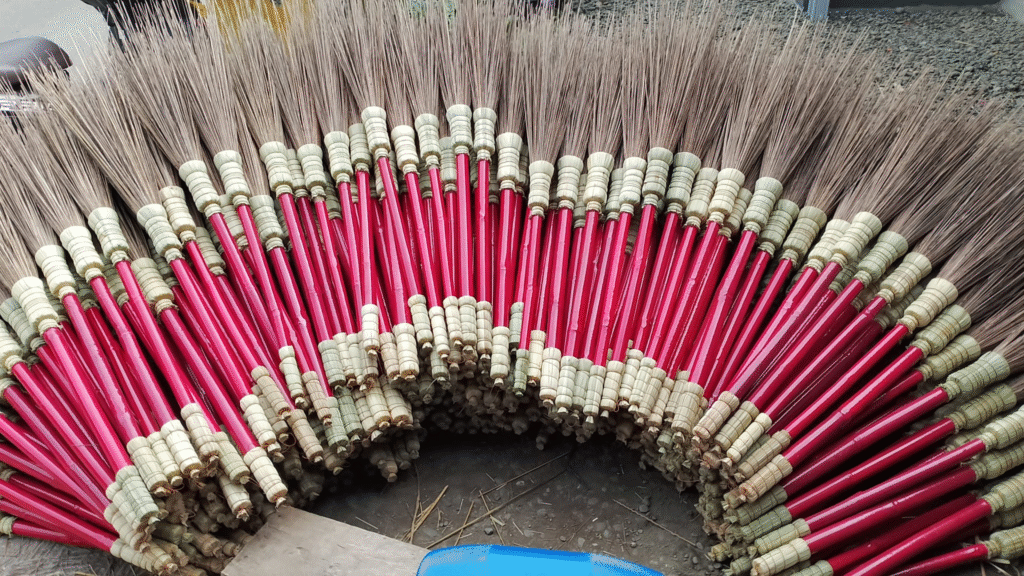
A long-handled bamboo broom typically consists of three components: the handle, the binding section, and the broom head. Although its structure may look simple, each part carries deliberate design considerations. The handle uses a mature bamboo culm selected for straightness and fiber density. Choosing the correct diameter ensures balance throughout the sweeping motion.
Further down the tool, strong natural fibers—often grass, coconut midribs, or local plant stalks—form the sweeping section. These fibers provide flexibility for dust and small debris yet retain stiffness for heavier outdoor use. As the broom head engages the floor, the fibers spread naturally, creating a wide cleaning path without requiring excess force. Users appreciate this efficiency, especially during repetitive sweeping tasks.
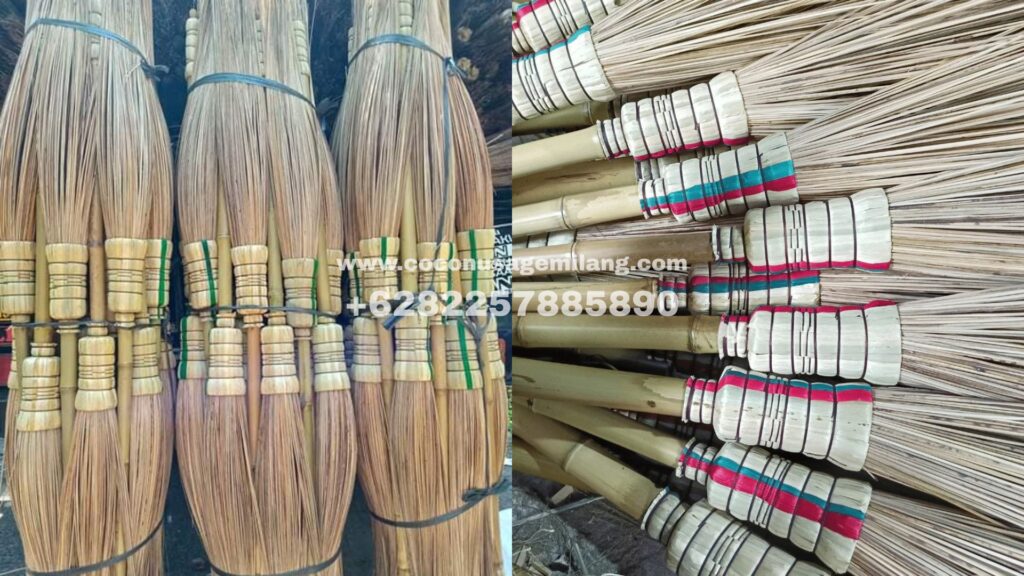
Equally important is the binding technique. Craftsmen weave metal wire, rattan strips, or durable natural threads around the head to secure it firmly. A good binding prevents wobbling, reduces energy loss, and keeps the broom consistent in performance. While the construction method varies by region, skilled artisans often aim for a tight but balanced bind that enhances both lifespan and ergonomic behavior.
Ergonomics and Daily Use
One reason the long-handled bamboo broom maintains popularity is its favorable ergonomic profile. The extended handle allows the user to sweep without bending excessively, which reduces strain on the lower back. Professionals who manage large cleaning areas—such as warehouse workers, facility maintenance crews, or street sweepers—benefit greatly from this design.
Another advantage comes from weight distribution. Bamboo’s lightweight structure ensures that the broom does not become cumbersome during long periods of use. Movements remain fluid, and transitions between sweeping angles feel natural. This is particularly helpful in outdoor environments where surfaces vary. As a result, the user can maintain consistent sweeping power with minimal fatigue.
The broom also adapts well to both fine-particle sweeping and coarse debris removal. When the user applies light pressure, the fibers glide across smooth surfaces, capturing dust. When pushed firmly, they stiffen enough to move leaves, pebbles, or general outdoor waste. This versatility positions the bamboo broom long handle as a practical everyday tool in households, workshops, farms, and public spaces.
Cultural and Historical Significance
Across many regions, the bamboo broom represents more than simple utility. It occupies symbolic space within cultural rituals, folklore, and traditional craftsmanship. In several Asian traditions, for example, a broom may signify purification, transition, and renewal. Communities often use it during ceremonial cleaning before festivals or before moving into a new home.
Furthermore, rural economies rely heavily on broom-making as a craft that supports small-scale livelihoods. Entire families engage in harvesting raw materials, preparing fibers, and assembling the final product. In some areas, the trade passes from one generation to another, reinforcing cultural identity and local economic stability.
As global consumers begin to value ethically sourced goods, this cultural heritage becomes a market advantage. Buyers who appreciate craftsmanship and sustainability often show strong interest in handmade bamboo brooms. Importers also benefit by differentiating themselves from suppliers of mass-produced synthetic tools, especially when targeting niche or eco-conscious markets.
Environmental Advantages Over Synthetic Alternatives
Plastic brooms dominate many large retail chains due to their low cost and standardized factory production. However, they generate long-term environmental challenges. As they degrade, microplastics enter soil and waterways. Users often replace plastic brooms more frequently because the bristles lose shape or break easily. This short lifecycle increases waste.
In contrast, bamboo broom long handles offer a more responsible option. Bamboo is renewable, biodegradable, and requires fewer industrial processes to convert into usable material. Additionally, natural fibers used for sweeping degrade without leaving harmful residues. When one considers the scale of cleaning-tool consumption worldwide, shifting even a small percentage of buyers toward bamboo creates meaningful environmental impact.
Industries adopting ESG frameworks increasingly evaluate tools not just for function but for total resource footprint. Bamboo brooms satisfy many of these criteria. They minimize reliance on petroleum-based materials, reduce waste, and support rural producers in developing regions. With these factors in mind, businesses that adopt bamboo cleaning tools demonstrate measurable progress toward sustainability commitments.
Market Demand and Global Trade Opportunities
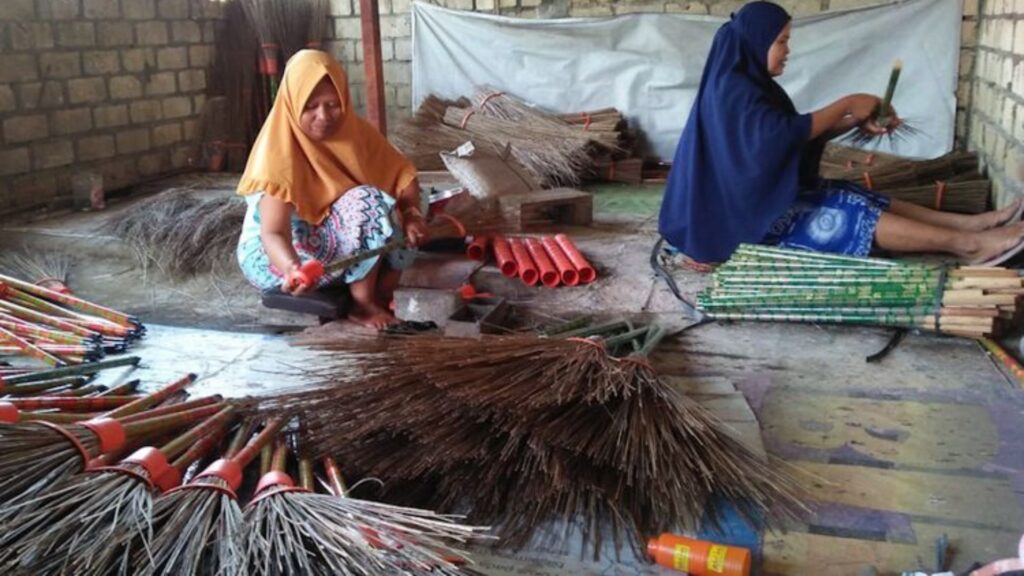
Demand for bamboo brooms remains strong in markets such as the Middle East, Africa, South Asia, and parts of Europe. Distributors often seek suppliers who can provide consistent quality, reliable shipment schedules, and scalable production volumes. As construction activity increases globally, more commercial spaces require maintenance tools that can handle rough surfaces without degrading quickly. Bamboo brooms excel here.
Moreover, many importers look specifically for long-handled versions because they suit both indoor and outdoor tasks. Retailers appreciate their universal appeal and ability to serve diverse customer segments. While price sensitivity affects some regions, buyers are generally willing to pay more for durable, natural materials. This provides exporters with competitive leverage, particularly those capable of customizing fiber types, handle length, or binding aesthetics.
As international logistics becomes more efficient, small and medium-sized manufacturers can enter global supply chains more easily. Export-oriented factories in Indonesia, the Philippines, Vietnam, and India increasingly pursue customers in the United States, South Korea, Japan, and Europe. This trend opens substantial opportunity for producers of bamboo broom long handle, especially those who combine craftsmanship with scaling capability.
Eco-Crafted Performance: A Deep Dive into Natural Fiber Broom Manufacturing and Export
How Quality Influences Buyer Confidence
Buyers evaluate bamboo brooms using several criteria: handle straightness, fiber density, binding stability, texture, and finishing consistency. A high-quality broom should not splinter easily, nor should the fibers shed after moderate use. Exporters who meet these expectations gain a strong reputation quickly.
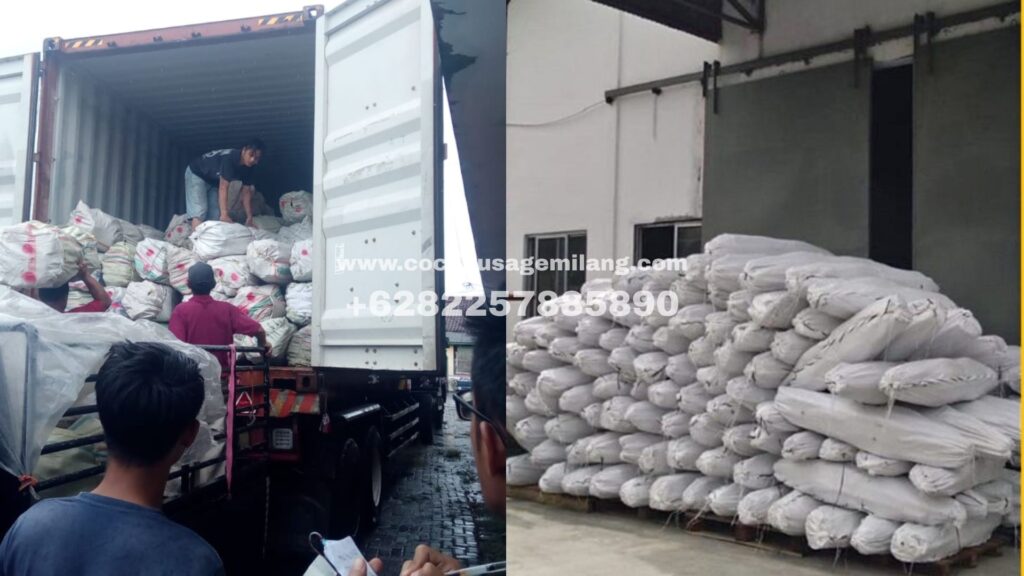
In addition, packaging plays a larger role than many assume. Neat bundling, moisture prevention, and accurate labeling influence retail success. Transitioning from domestic-market packaging to export-ready packaging often becomes a key step for manufacturers who aim to expand globally.
Because competition increases every year, suppliers who highlight clear quality standards attract more long-term contracts. Importers appreciate documentation, transparency, and the ability to adjust volume based on seasonal demand. Sellers who offer flexible pricing linked to order size also remain ahead of market shifts.
Coco Nusa Gemilang: A Trusted Manufacturer and Supplier
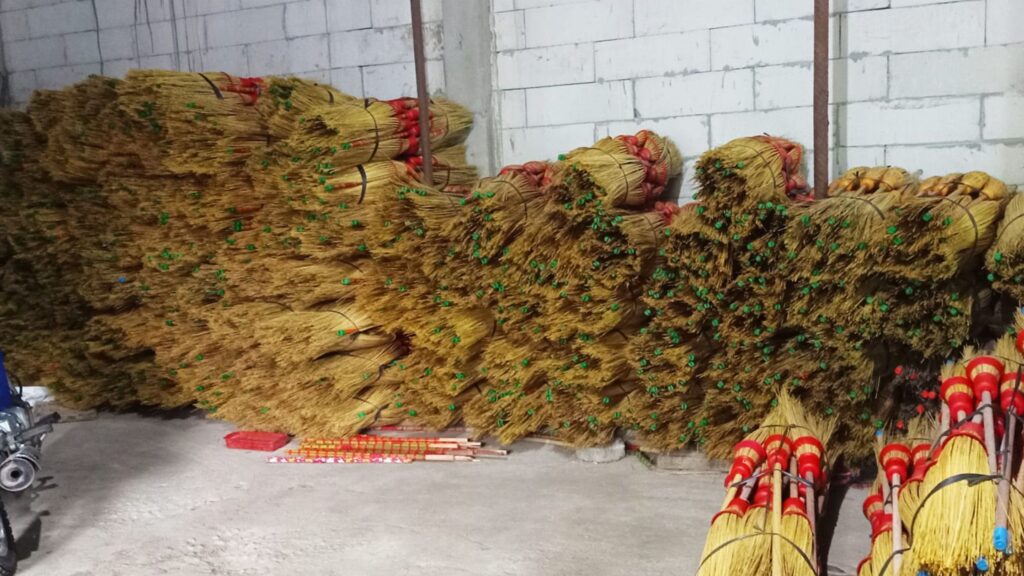
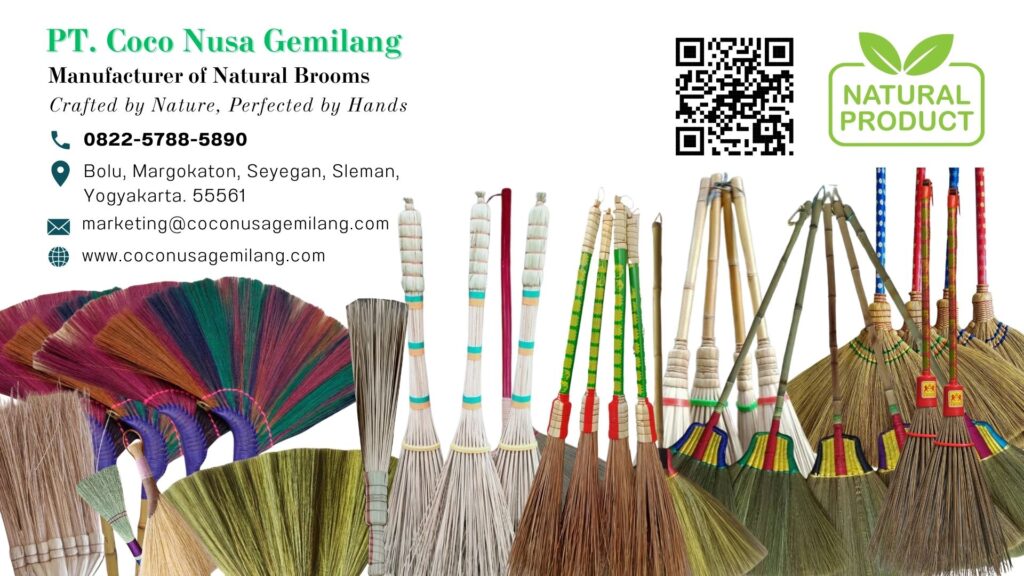
Coco Nusa Gemilang stands as a reliable manufacturer and supplier of bamboo broom long handle, ready to export to markets across the world. The company focuses on delivering consistent quality supported by skilled craftsmanship and efficient production systems. Moreover, it maintains competitive pricing structures that accommodate various buyer needs.
As an export-ready producer based in Indonesia, Coco Nusa Gemilang offers pricing that ranges from 0.9 USD to 2 USD per piece (FOB Port Semarang, Indonesia). Prices remain flexible and open to discussion, ensuring that buyers with different order volumes and market targets receive optimal value. This adaptability strengthens long-term partnerships and supports repeat orders.
In addition, Coco Nusa Gemilang emphasizes quality, sustainability, and reliable shipment schedules. Transitioning from negotiation to fulfillment feels seamless because the company aligns its operational practices with international expectations. With a commitment to craftsmanship, customer satisfaction, and scalable supply, Coco Nusa Gemilang continues to serve as a dependable partner for buyers seeking high-grade bamboo broom long handle products.