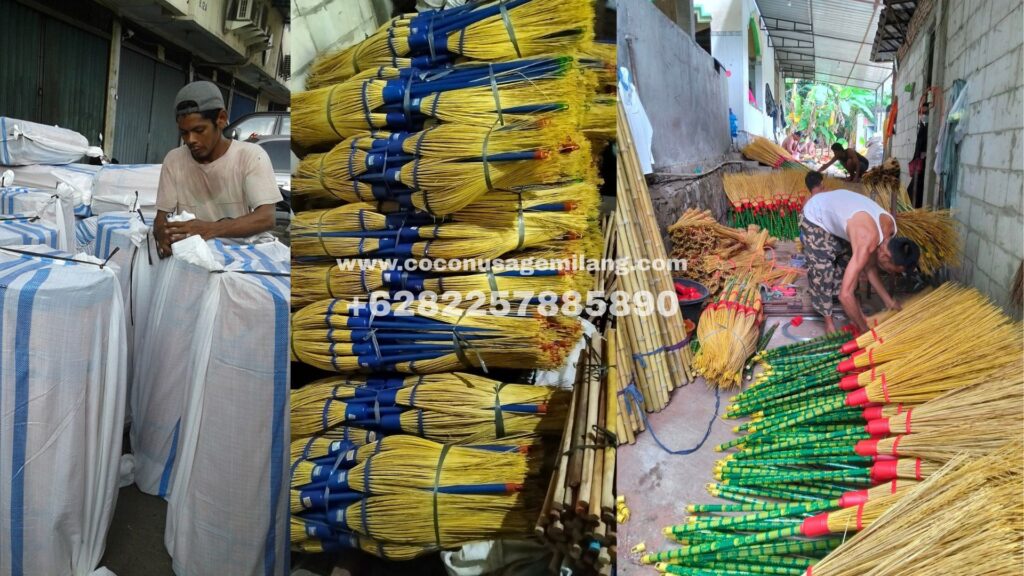

In an era defined by automation and disposable products. Few tools remind us of the beauty of simplicity as much as the coconut stick broom. This unassuming implement crafted from the sturdy midribs of coconut leaves has swept homes, temples. And courtyards across tropical regions for generations. But beyond its humble form lies a story of craftsmanship, sustainability, and global relevance.
The Origins of the Coconut Stick Broom
The coconut stick broom, often known in Indonesia as sapu lidi kelapa. Is one of the oldest and most enduring cleaning tools in Southeast Asia. Its design predates the modern broom by centuries, emerging from communities that lived in harmony. With the coconut tree—often referred to as the “tree of life.”
Every part of the coconut tree serves a purpose. Its fruit for food and oil, its trunk for building, and its leaves for crafting everyday tools. The broom’s sticks are made by stripping and drying the central veins of coconut leaves. A process that requires both patience and precision. The result is a lightweight yet durable tool capable. Of sweeping debris, dust, and leaves efficiently without relying on synthetic materials.
This traditional broom became an emblem of resourcefulness. A quiet testament to how human creativity can turn agricultural byproducts into practical goods.
A Tool Reimagined for Modern Use
In today’s market, where sustainability and natural materials are increasingly valued, the coconut stick broom has found a new audience. What was once a domestic staple in rural Asia is now being rediscovered by eco-conscious consumers. Aand international buyers who appreciate products with minimal environmental impact.
Unlike plastic brooms, which often end up in landfills, the coconut stick broom is biodegradable. When it reaches the end of its life cycle, it simply returns to the earth. This makes it an attractive choice for individuals and companies striving to reduce waste and promote eco-friendly living.
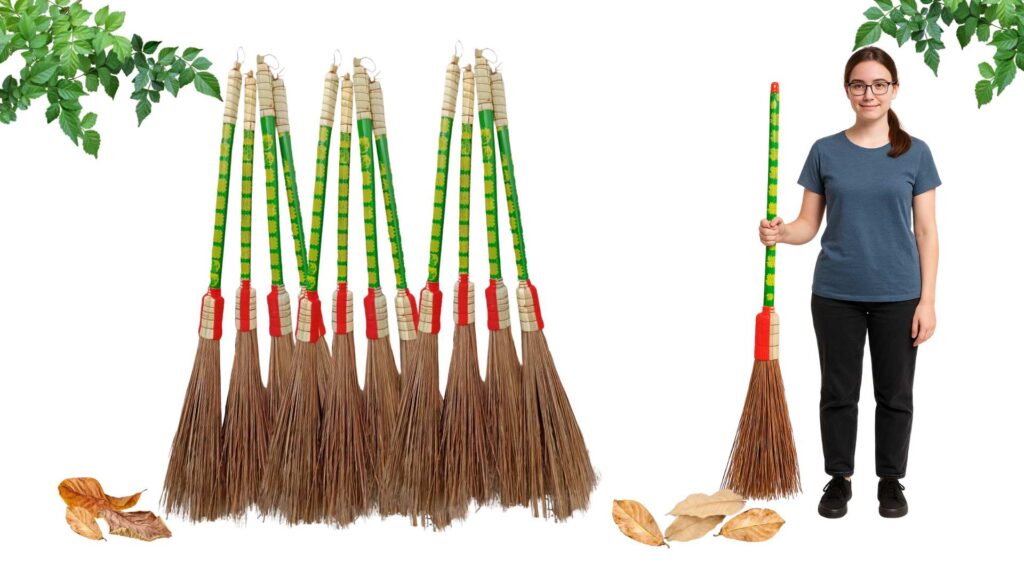
Its versatility also stands out. Beyond outdoor cleaning, many homeowners and businesses use it to sweep patios, gardens, or warehouse floors. It’s sturdy enough to handle coarse surfaces yet gentle enough not to scratch tiles or polished stone.
The Craftsmanship Behind Each Broom
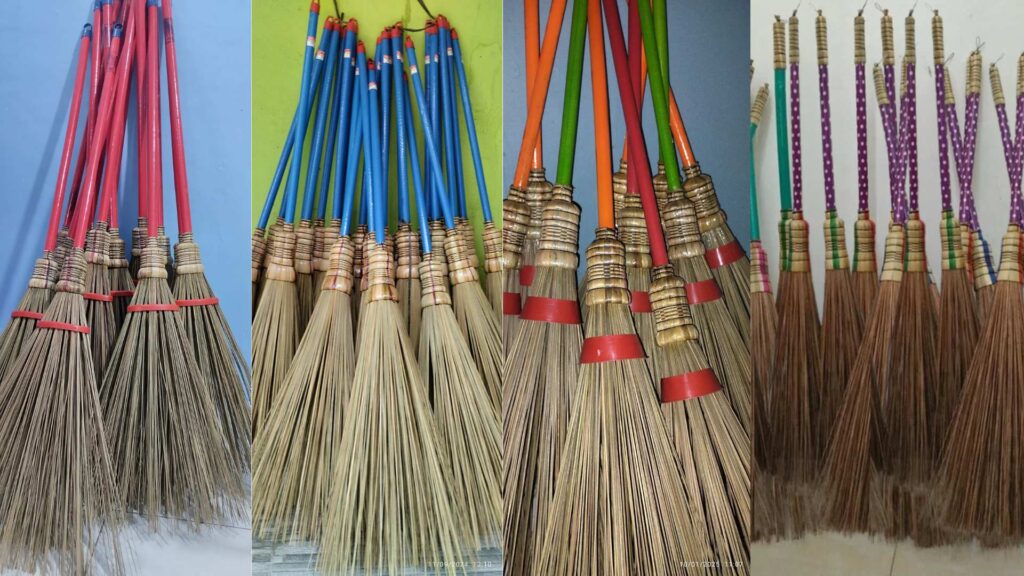
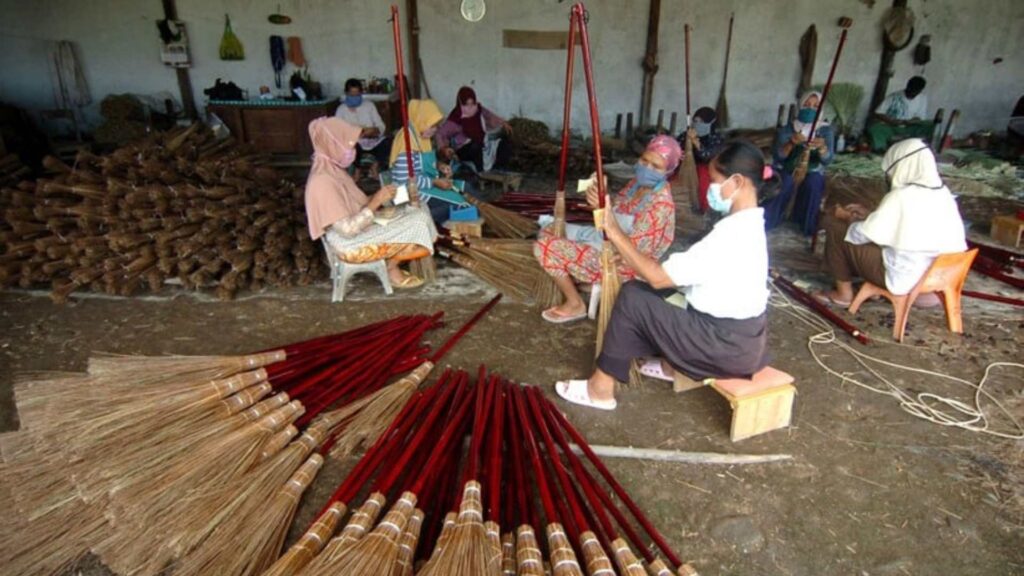
Despite its simple appearance, the making of a coconut stick broom is an art form. Each stick must be cleaned, sorted, and dried properly to prevent breakage or mold. The sticks are then bundled and tied—traditionally with natural fiber. Though modern variations may use wire or nylon for added durability.
This process, often carried out by skilled artisans in rural Indonesia. Represents a deep respect for manual labor and traditional knowledge. Every broom reflects hours of careful attention and quality control.
And it is precisely this combination of traditional craftsmanship and natural material. That makes the coconut stick broom a product of growing international interest.
Coco Nusa Gemilang: Elevating a Traditional Craft to Global Standards
At the forefront of this revival stands Coco Nusa Gemilang. A trusted Indonesian manufacturer specializing in natural household products particularly the coconut stick broom. With years of experience in the coconut industry. Coco Nusa Gemilang brings together traditional expertise and modern production standards to deliver brooms of export-quality excellence.
Each broom produced by the company undergoes strict selection and quality checks. Only mature, dense coconut leaf midribs are used to ensure durability and uniformity. The sticks are thoroughly sun-dried and treated to resist moisture, making them ideal for both humid and dry climates.
More importantly, Coco Nusa Gemilang works closely with local communities, providing sustainable employment while preserving a valuable cultural heritage. Their production process emphasizes eco-friendly practices—minimal waste, renewable materials, and responsible sourcing.
The company’s mission extends beyond domestic markets. Coco Nusa Gemilang is ready to supply premium-grade coconut stick brooms to international markets. Inviting distributors, wholesalers, and retailers worldwide to collaborate in promoting sustainable household solutions.
Grass Broom: Indonesia’s Quiet Heritage of Cleanliness and Craftsmanship
Why Coconut Stick Brooms Appeal to International Buyers
The growing global demand for natural and handcrafted products has positioned. The coconut stick broom as an attractive commodity in the export sector. Here’s why importers and retailers are taking notice:
- Sustainability: Made entirely from natural coconut materials, the broom aligns with eco-certification and green lifestyle movements.
- Durability: The midribs of coconut leaves are exceptionally tough, providing a long-lasting sweeping performance.
- Aesthetic Appeal: Many consumers appreciate its rustic, handmade appearance, making it suitable for both functional and decorative use.
- Versatility: Ideal for cleaning gardens, driveways, patios, and warehouses—its functionality spans residential and commercial environments.
- Cultural Authenticity: Each broom tells a story of Indonesian craftsmanship, offering international consumers a connection to authentic, traditional artistry.
These characteristics make the coconut stick broom not just a cleaning tool. But a statement product—symbolizing mindful consumption and respect for nature.
Sustainability Beyond Marketing
The term sustainable is often used loosely in global trade. Yet in the case of the coconut stick broom. It’s more than a buzzword—it’s a reality embedded in the material itself. The broom is produced from parts of the coconut tree that would otherwise be discarded. No harmful chemicals or synthetic additives are required during production.
This closed-loop process ensures that the environmental footprint remains minimal from start to finish. Even the packaging used by ethical manufacturers such as Coco Nusa Gemilang often prioritizes recyclable or biodegradable materials. Aligning every stage of production with responsible practices.
In a world increasingly shaped by climate awareness and carbon accounting. Such authenticity in sustainability matters deeply to both importers and consumers.

The Future of Traditional Products in the Global Market
As global markets evolve, products like the coconut stick broom occupy a unique niche—where tradition meets innovation. Western consumers, in particular, are showing renewed interest in handcrafted goods that offer both function and story.
Retailers and importers can leverage this trend by sourcing directly from reputable producers like Coco Nusa Gemilang. Who not only ensure quality but also provide traceability and ethical assurance.
Moreover, the coconut stick broom’s appeal extends to lifestyle brands focusing on eco-living, minimalism, and slow design. Its aesthetic simplicity complements the growing demand for products that embody authenticity and environmental consciousness.
Chat with us on WhatsApp for special offers and more information about our grass brooms!
Conclusion
The coconut stick broom is far more than a simple household tool. It is a reflection of heritage, sustainability, and human ingenuity. From its origin in rural Indonesia to its emerging presence in international markets. It continues to prove that natural design endures where synthetic trends fade.
Through dedicated manufacturers like Coco Nusa Gemilang, this timeless craft is gaining new recognition on the world stage. Combining traditional expertise with modern quality standards. The company is proudly ready to supply premium. Export-quality coconut stick brooms to international buyers who share a vision for sustainable living and responsible trade.
In every sweep of a coconut stick broom lies a gesture of respect for the environment. For craftsmanship, and for a culture that has long understood the value of nature’s gifts.