
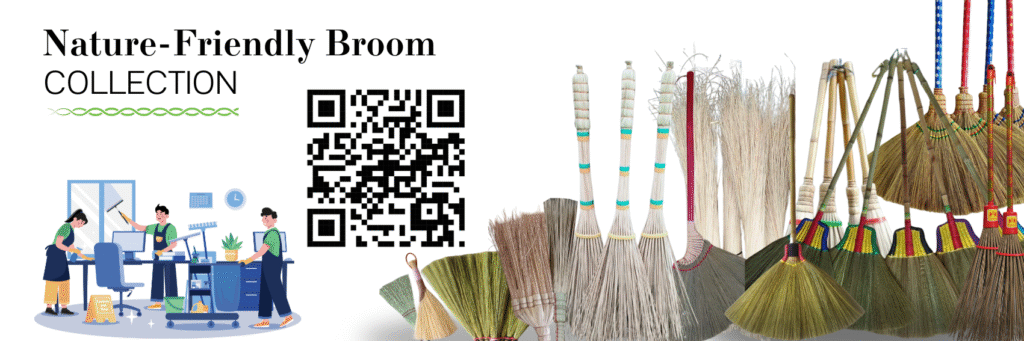
Corn brooms, also known as “sapu rayung” or “sapu jagung” in Indonesia. Are made from natural materials such as sorghum grass or corn husk fibers. These brooms are handcrafted into a strong yet lightweight form, resulting in a uniquely beautiful and highly functional cleaning tool. As a country with a tropical climate, Indonesia provides an ideal environment. For growing the raw materials needed to produce these brooms. That makes the production of corn brooms sustainable and widely practiced in various rural communities across the archipelago.
One of the main advantages of using corn brooms is their durability and efficiency. The natural fibers are thick, sturdy, and slightly coarse perfect. For sweeping dust, sand, and dirt from floors, especially on wood, tile, or concrete surfaces. In addition, the structure of the corn broom allows it to pick up fine debris that plastic brooms often miss. These brooms are not only practical but also aesthetically pleasing, often used as rustic decor in eco-conscious homes or stores.
Another benefit is that corn brooms are fully biodegradable and chemical-free. Made with natural binding techniques and without synthetic components, they do not contribute to long-term pollution or landfill waste. This makes them an excellent example of an eco-friendly cleaning product, suitable for both household and commercial use. They’re especially popular in zero-waste lifestyles, eco stores, and green living campaigns.
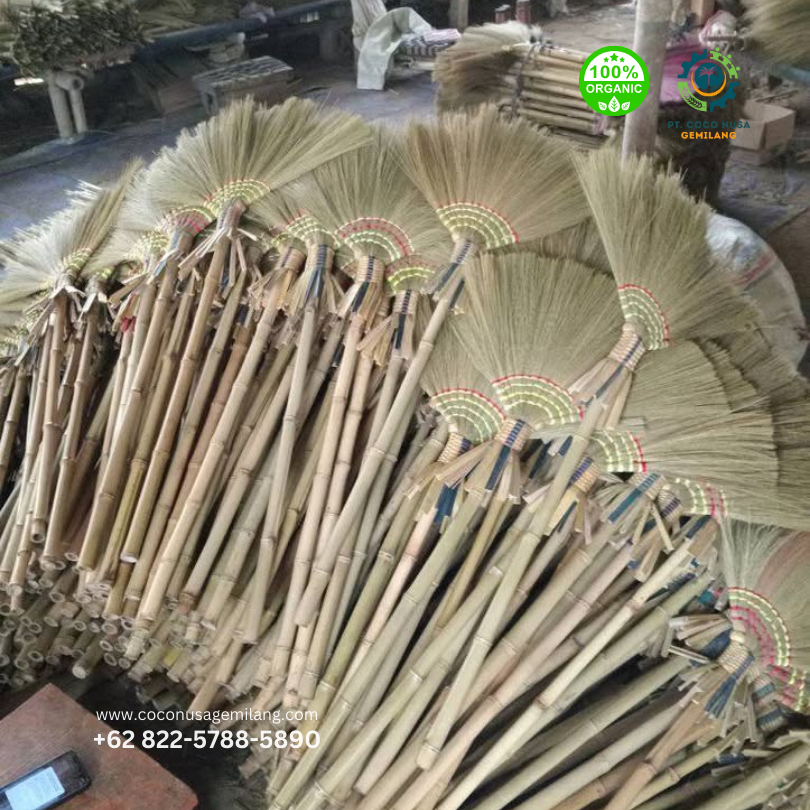
Switching from plastic brooms to traditional corn brooms
Switching from plastic brooms to traditional corn brooms is a conscious decision toward environmental responsibility. Plastic brooms may be cheap and convenient, but they are made from petroleum-based materials that are difficult. To recycle and take hundreds of years to break down. In contrast, corn brooms decompose naturally and are much gentler. On the environment throughout their life cycle—from production to disposal.
Moreover, by choosing traditional corn brooms, you are also supporting local artisans and small-scale producers. These brooms are often made by hand in rural communities, providing a source of income and preserving traditional craftsmanship. That has been passed down for generations. This not only empowers local economies but also strengthens cultural heritage while responding to modern demands for sustainable goods.
In conclusion, corn brooms from Indonesia offer more than just a cleaning tool. They represent a lifestyle of sustainability, culture, and care for the planet. Affordable, functional, and environmentally responsible, these traditional brooms are a wise alternative to plastic products. As global awareness of plastic pollution continues to rise. Adopting natural solutions like the corn broom is a simple yet powerful step toward a cleaner and greener future.
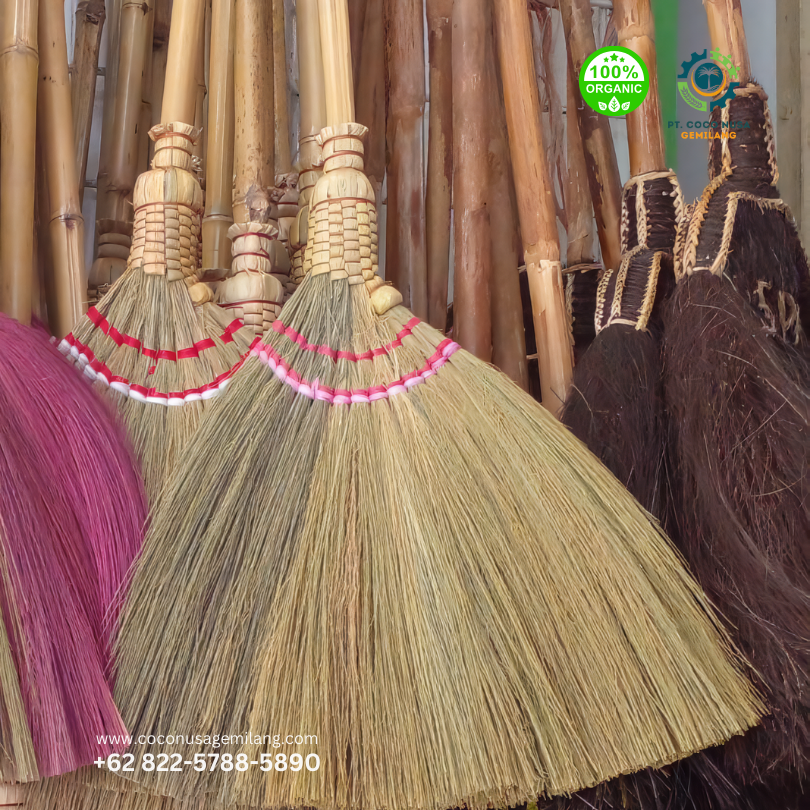
We are proud to offer high-quality corn brooms
At Coconusa Gemilang, we are proud to offer high-quality corn brooms crafted from natural, sustainable materials found abundantly in Indonesia. As global demand for eco-friendly products continues to rise, we believe our brooms handmade, biodegradable. And aesthetically appealing offer an excellent opportunity for international distributors seeking reliable, green alternatives to plastic cleaning tools.
We are actively seeking to build long-term export partnerships with buyers. Around the world who share our commitment to sustainability and quality. With efficient production capacity and a network of experienced artisans, we are able to offer competitive pricing without compromising craftsmanship. Whether for retail, wholesale, or private label, our products are ready to meet international standards and market needs.
If you are interested in exploring a mutually beneficial partnership, Coconusa Gemilang is ready to collaborate. We are open to providing free product samples, customized packaging options, and flexible terms tailored to your business goals. Let’s work together to bring eco-conscious, Indonesia-made products to the global market. While offering your customers something truly natural and valuable.
