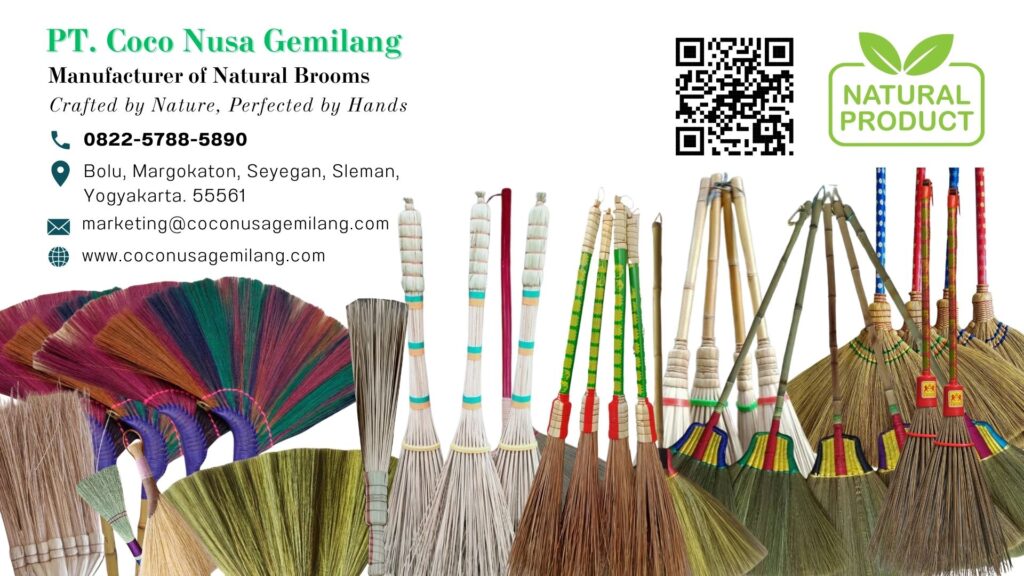

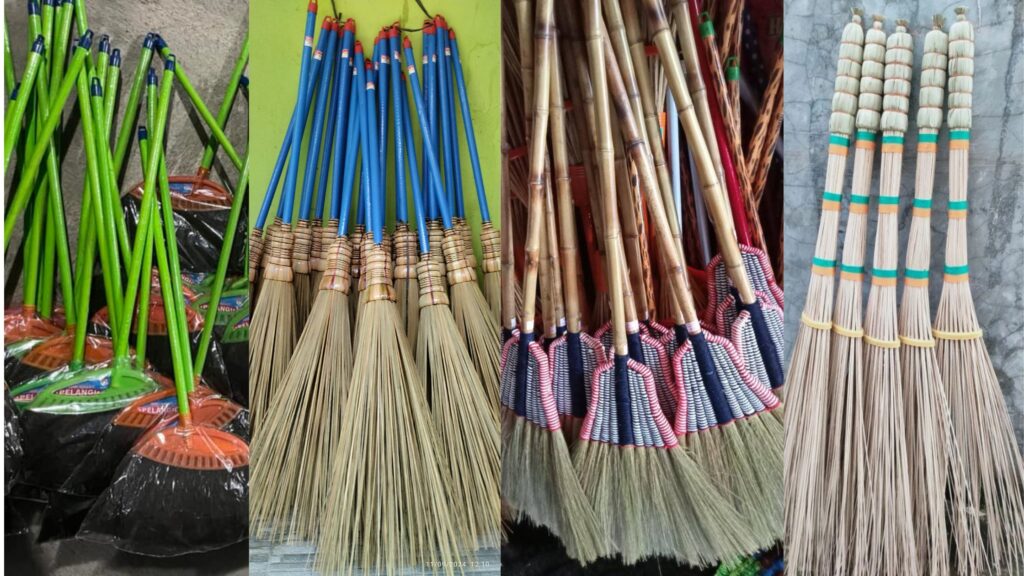
Floor brooms often appear simple, almost too ordinary to deserve extended analysis. Yet this familiar tool holds a long, complex, and surprisingly dynamic history. Over time, the broom has moved from being a handmade household necessity to becoming an engineered instrument with precise material specifications and optimized designs. Although the market now includes vacuum cleaners, robotic sweepers, and advanced dust-management systems, the floor broom persists as an irreplaceable tool across industries. Its endurance speaks to a blend of cultural continuity, ergonomic efficiency, and material adaptability.
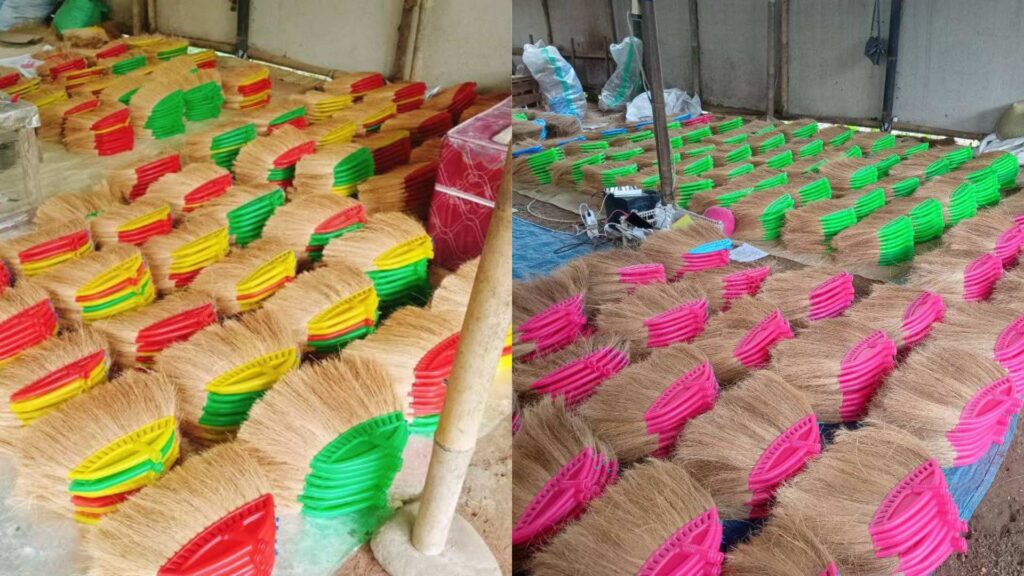
In many regions, traditional broom-making remains a respected craft. Artisans refine grass, coconut fibers, sorghum plants, and softwood handles through practices informed by centuries of experience. Meanwhile, large-scale manufacturers use machine-based processing, controlled drying chambers, and composite handle technology to supply global distributors. Because of this duality, the floor broom sits at the intersection of tradition and innovation. It bridges manual labor and industrial production while maintaining a simplicity that aligns with universal cleaning needs.
Understanding the market for floor brooms requires more than a surface-level look at the final product. Behind each broom lies a chain of agricultural cultivation, fiber selection, tensile-strength testing, and design evaluation. Consequently, the floor broom becomes a study in materials science and economic geography. It represents not just a tool for sweeping, but an ecosystem of suppliers, farmers, wholesalers, and exporters.
Material Selection and Fiber Performance
The quality of a floor broom often begins with the plant used to make its bristles. Each material carries distinct mechanical properties. Natural grasses from Southeast Asia offer flexibility and resilience, making them ideal for smooth indoor floors. They resist moisture, maintain stiffness under pressure, and perform well on rougher ground. Sorghum varieties contribute length, uniformity, and a slightly springy action that supports consistent sweeping patterns.
In professional environments, such as warehouses or hospitality facilities, small gains in ergonomics translate to significant improvements in productivity. Moreover, the fiber choice determines how the broom interacts with dust. Some materials generate less static charge, which helps reduce airborne particles. Others trap fine debris more effectively due to micro-textured bristle surfaces.
As the global market grows, manufacturers must balance performance with ethical sourcing. Sustainable plantations, responsible drying methods, and non-toxic binding materials all shape modern production. Therefore, the evolution of the broom reflects the broader shift toward environmentally responsible cleaning solutions.
Handle Engineering and Structural Improvements
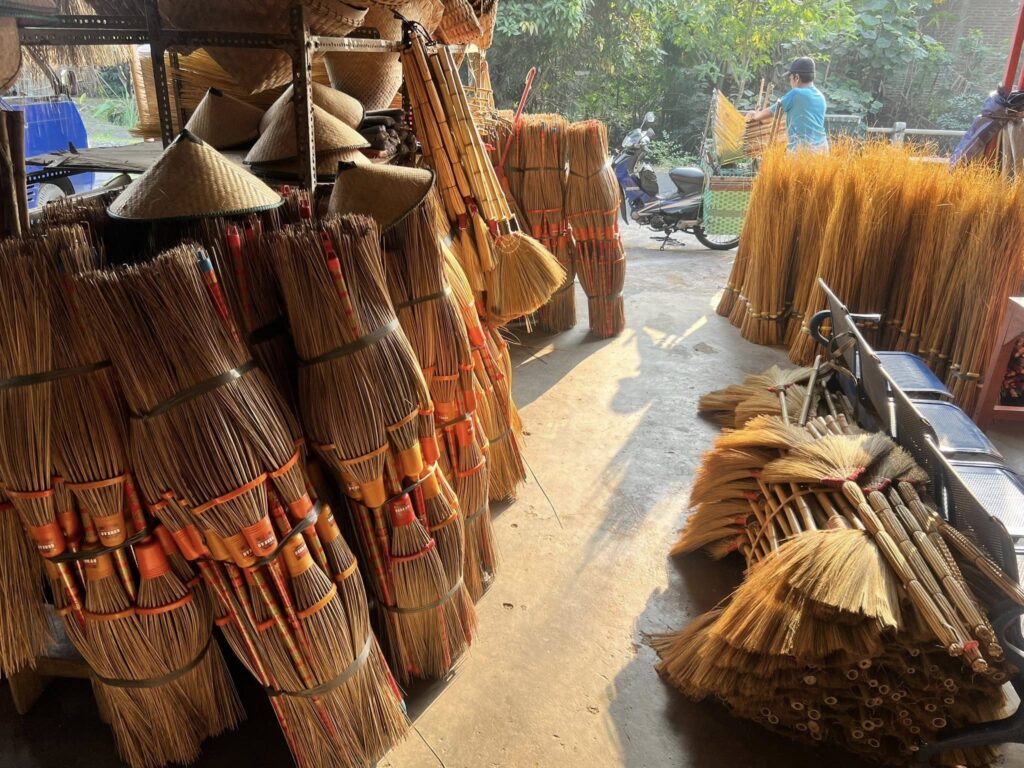
While bristles capture much of the attention, the handle influences the tool’s overall efficiency. Many traditional broom makers rely on wooden handles for their sturdiness and comfort. Hardwood handles provide weight and stability, supporting firm strokes with minimal vibration. These characteristics make them appealing for long working hours, especially in outdoor areas where surfaces demand extra force.
However, contemporary production also includes bamboo, aluminum, and plastic-composite handles. Bamboo offers sustainability with excellent tensile strength. Aluminum remains lightweight yet durable, making it attractive for transport-focused industries where weight reduction matters. Composite handles incorporate polymer blends engineered to distribute stress evenly, which reduces breakage and extends product life.
Over time, ergonomics has become a core element of broom design. Manufacturers now adjust handle lengths, grip textures, and weight distribution to improve user comfort. These design enhancements may seem small at first glance, but they directly affect workplace safety. When repetitive sweeping motions accumulate over months or years, even slight ergonomic improvements can help prevent strain injuries.
Market Trends and Economic Shifts
The floor broom industry operates within shifting global supply chains. Agricultural cycles influence raw material availability, which then affects pricing. Transportation costs fluctuate with changing fuel markets. Regional labor conditions shape production centers, especially in countries where broom-making remains a major cottage industry.
Despite these variables, demand for floor brooms remains stable. This consistency arises from several factors. First, many markets still prefer manual cleaning tools due to cost efficiency. Second, numerous regions rely on traditional sweeping methods as part of cultural habits. Third, even in technologically advanced countries, floor brooms serve as a complement to automated cleaning systems. For instance, a robot vacuum may handle daily dust maintenance, but staff still need manual brooms to reach corners, stairways, or narrow storage areas.
In addition, wholesale buyers increasingly seek diversified models. Retailers want soft-bristle types for indoor sweeping, stiff-bristle varieties for industrial surfaces, and hybrid versions that bridge both needs. Exporters who understand these distinctions gain an advantage, especially when they can supply consistent quality at scale.
Applications Across Industries
Floor brooms play a role in environments far beyond the home. In manufacturing plants, they remove debris that could interfere with machinery. In logistics hubs, they clear dust that accumulates from continuous movement of pallets, crates, and vehicles. Restaurants use them to maintain hygiene during operating hours, while schools depend on them for day-to-day maintenance over large areas.
Interestingly, floor brooms also support industries that appear unrelated to cleaning. Agricultural facilities use them to sweep grain residues. Art studios rely on soft-bristle brooms to manage pigments without disturbing floor surfaces. Construction sites need durable broom models to push gravel and cement dust before layering materials.
Across each of these settings, priorities differ. Some operators focus on durability, others on ergonomic handling, others on aesthetic uniformity for public-facing environments. Because expectations differ, the wholesale broom market must maintain a broad inventory that satisfies a wide spectrum of technical requirements.
Transitioning Toward Sustainable Production
Global consumers have become increasingly aware of the environmental impact of everyday products. As a result, the floor broom industry now emphasizes renewable materials, recyclable components, and low-impact manufacturing processes. Natural grasses, coconut fibers, and bamboo all align with this transition. They grow quickly, require minimal chemical input, and decompose safely at the end of their life cycle.
Furthermore, manufacturers experiment with biodegradable binding strings, water-based adhesives, and reduced-plastic packaging. Although these changes may increase production complexity, they also elevate consumer trust. As market trends show, buyers prefer suppliers who demonstrate environmental responsibility. This preference extends across retail, wholesale, and institutional procurement.
Notably, sustainable production also benefits exporters. Because many importing countries now enforce strict environmental standards, manufacturers with eco-compliant processes gain smoother access to international markets. Consequently, sustainability becomes not only an ethical choice but also a strategic business decision.
The Growing Importance of Wholesale Distribution

Floor broom wholesalers serve as the link between manufacturers and global buyers. They manage inventory, ensure quality consistency, and offer competitive pricing that matches volume expectations. Many wholesalers diversify product lines to address different sectors. Others specialize in natural products only, capitalizing on demand for handcrafted or environmentally friendly goods.
Wholesale distribution thrives when suppliers maintain transparent communication. Export documents must be accurate, product descriptions must match actual specifications, and pricing must remain fair relative to material availability. Moreover, strong collaboration improves shipping efficiency. Buyers benefit from predictable lead times, while suppliers reduce operational disruptions.
Because global customers often prefer working with dependable partners, wholesalers who build long-term relationships tend to secure repeat orders. In a competitive market, that consistency becomes a valuable asset.
Toward a Practical Understanding of Quality
Quality assessment in floor brooms involves both technical and tactile evaluation. Buyers often start by examining bristle density. A well-constructed broom uses tightly bound fibers that resist premature shedding. They also inspect fiber alignment, as uneven bristles create inefficient sweeping paths. Handle connection points must feel solid, without wobbling or loose screws.
Beyond mechanical aspects, quality can also be felt in balance. A broom with proper weight distribution enables smoother movement with less effort. Similarly, well-shaped grips reduce fatigue. Professional buyers sometimes perform stress tests to simulate extended usage. They bend handles, tap bristles against hard surfaces, and measure shedding levels under controlled conditions.
Through such evaluations, buyers develop an intuitive sense of which suppliers consistently meet standards. Manufacturers who invest in quality control—through drying chambers, calibrated cutting, and skilled assembly teams—set themselves apart in the global market.
Coco Nusa Gemilang — Global Supplier of Floor Brooms
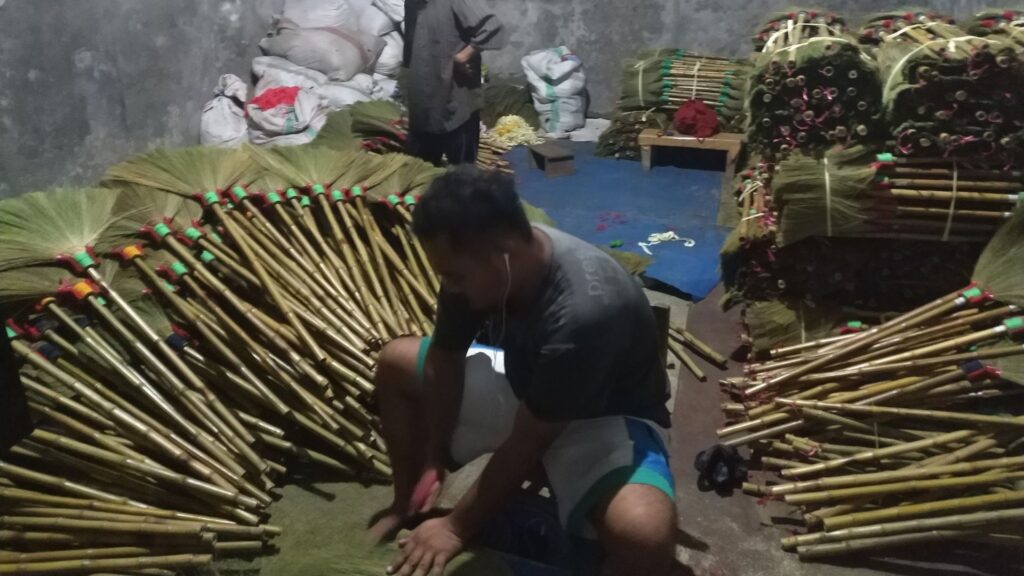
Coco Nusa Gemilang stands as a dedicated manufacturer and supplier of floor brooms wholesale, serving clients who depend on reliable, natural-fiber cleaning tools. The company offers a wide range of broom types and models, each designed to meet different export market requirements. Because quality governs every stage of their production, customers receive products that perform well across residential, commercial, and industrial environments.
Additionally, Coco Nusa Gemilang provides competitive and flexible pricing, adjusted according to order volume. Export buyers can access high-quality floor brooms starting from 0.9 USD to 2 USD per piece (FOB Port Semarang, Indonesia). Transitioning from inquiry to shipment, the company maintains open communication, allowing room for price discussions based on long-term cooperation and mutual agreement.
Moreover, Coco Nusa Gemilang remains committed to delivering the best balance of durability, workmanship, and affordability. With export-ready production capacity and consistent quality assurance, the company supplies floor brooms to markets around the world. Because they understand the demands of international trade, they offer efficient handling, dependable packaging, and adaptable order fulfillment that supports global buyers at every stage.