

Introduction
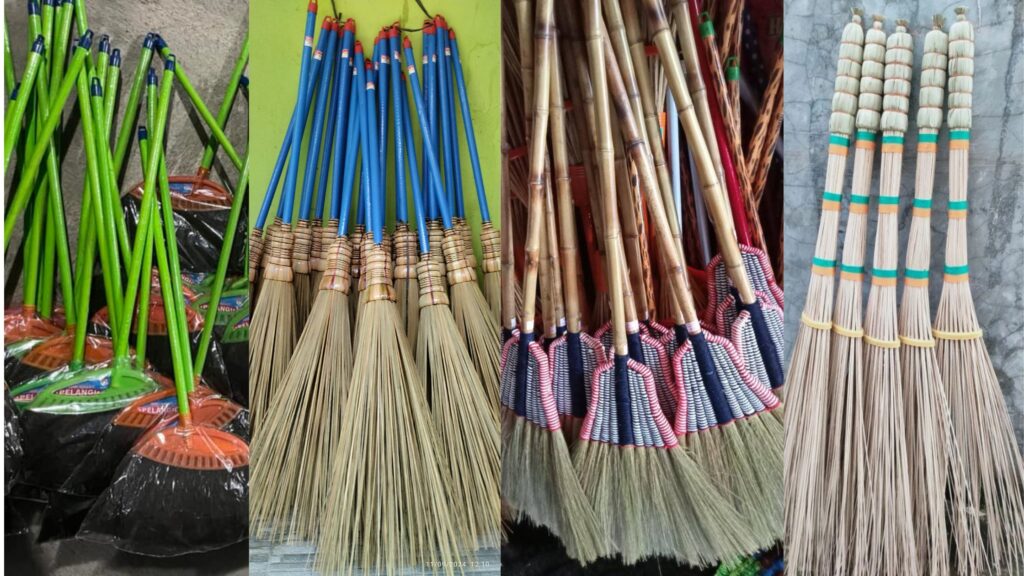
A garden broom with a long handle might seem ordinary at first glance. Yet, behind this simple tool lies a history of craftsmanship, innovation, and sustainability. Across Asia, Africa, and parts of Europe, the broom remains an indispensable part of daily life. It serves not just as a cleaning implement, but as a reflection of culture and environmental consciousness.
Unlike modern synthetic tools, traditional garden brooms with long handles preserve the balance between ergonomics, natural design, and ecological integrity. For manufacturers, farmers, and exporters, the garden broom represents both heritage and opportunity.
The Evolution of the Garden Broom
The broom’s evolution mirrors human adaptation to the environment. Early communities gathered twigs, palm fronds, or grass to sweep their surroundings. Over time, design evolved from bundled sticks to refined, ergonomic tools. The garden broom with a long handle emerged as a practical response to labor demands.
Long handles were introduced to reduce strain and increase reach. This innovation transformed a simple household tool into an efficient instrument for outdoor maintenance. Modern versions now balance traditional craftsmanship with improved materials and structure.
Today, these brooms are made from a diverse range of natural resources—coconut leaf sticks, broom grass, bamboo, and palm fibers. Each material offers unique characteristics suited to different climates and surfaces.
Material and Construction
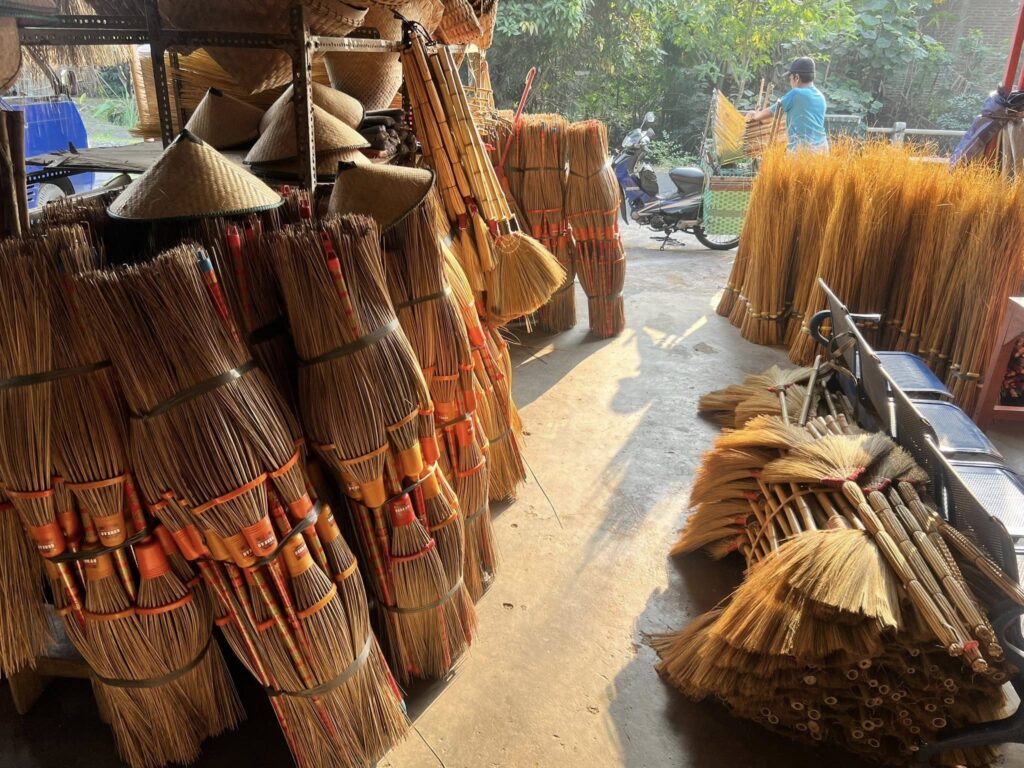
A well-crafted garden broom depends on the material used. Natural fibers dominate production due to their strength and flexibility. The most common sources include coconut leaves, palm midribs, broom grass (Thysanolaena maxima), and bamboo.
Coconut stick brooms are known for their resilience. The midrib of the coconut leaf provides stiffness ideal for rough surfaces such as garden paths or concrete yards. Grass brooms, on the other hand, are flexible and excel at collecting fine debris like dust or dry leaves on smoother grounds.
The handle, typically made of wood or bamboo, adds leverage and comfort. It allows users to sweep larger areas without excessive bending. The connection between bristles and handle is secured with wire, rattan binding, or natural resin, depending on the region’s tradition.
Manufacturing these brooms requires precision. Fibers must be dried, cleaned, sorted, and bundled by hand. The angle and density of the bristles determine the broom’s performance. When properly balanced, the broom glides smoothly over the ground, collecting debris with minimal effort.
Ergonomic Importance of the Long Handle
The long handle distinguishes the garden broom from other types. It supports a natural stance, reducing lower back tension during sweeping. For professional gardeners or facility workers, this ergonomic advantage minimizes fatigue and enhances productivity.
An optimal handle length ranges between 90 to 130 centimeters. Shorter handles provide control, while longer ones extend reach. The material also matters: wooden handles feel natural and sturdy, while metal handles offer durability and lightness.
Designers often test handle grip and angle to achieve the right balance between comfort and performance. Small refinements—such as textured grips or slightly tapered ends—can transform user experience significantly.
In many ways, the long handle is not a mere accessory; it is central to the tool’s usability. It embodies the practical wisdom of traditional craftsmanship merged with ergonomic science.
Functional Versatility
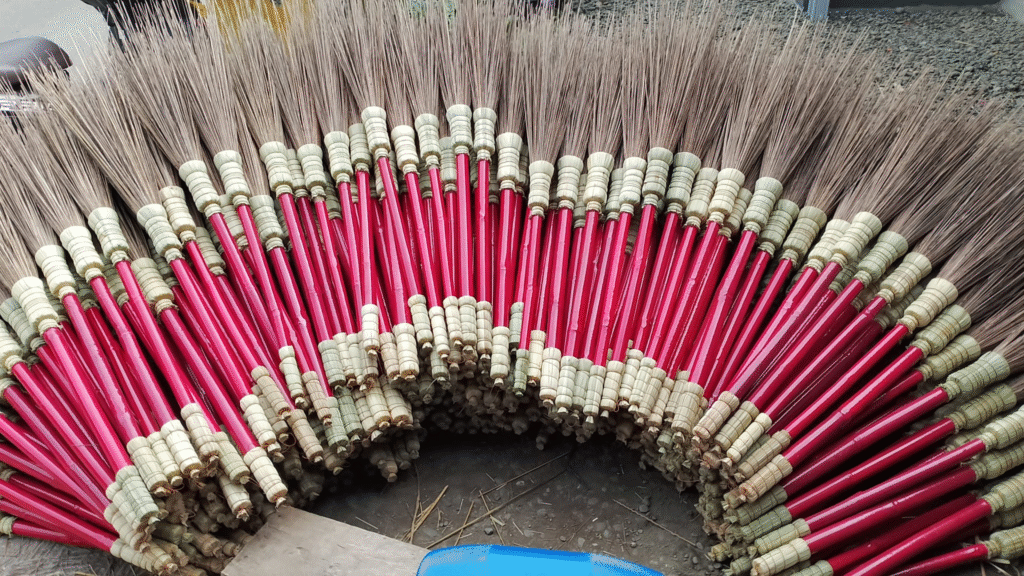
Garden brooms with long handles are designed for multiple applications. They perform well on concrete, stone, soil, and wooden decks. Their structure allows them to clear leaves, sand, dust, and garden debris efficiently.
In tropical regions, households often use them to maintain courtyards and verandas. Public spaces, temples, schools, and resorts also rely on such brooms for daily maintenance. Because they are durable and lightweight, they suit both domestic and commercial environments.
For landscape maintenance, these brooms help in post-trimming cleanup, leaf collection, and pathway sweeping. They also complement modern cleaning equipment by handling delicate or irregular surfaces where machines are ineffective.
Durability and Care
Durability depends on both material quality and maintenance. Natural-fiber brooms are strong but require proper storage. When left under constant sunlight or rain, fibers can dry out or become brittle. Therefore, it is best to keep them in shaded, dry spaces after use.
Periodic cleaning helps remove trapped dirt and plant residue. Wooden handles benefit from occasional oiling or varnishing to prevent cracking. These simple practices can extend a broom’s lifespan considerably.
Well-maintained brooms not only last longer but also maintain sweeping efficiency. Their flexibility remains intact, and bristles retain their alignment. For users who value long-term performance, these details matter as much as the initial purchase.
Environmental and Cultural Dimensions
Natural-fiber garden brooms represent sustainable design in action. Their materials are biodegradable, renewable, and locally sourced. They support rural economies where broom-making has become a generational craft.
Unlike plastic brooms, which contribute to landfill waste, natural brooms decompose harmlessly. They also reduce dependency on petroleum-based materials. This shift aligns with global efforts to promote eco-friendly production and responsible consumption.
Beyond environmental benefits, broom-making carries deep cultural meaning. In many communities, crafting brooms is both an art and a livelihood. Each finished piece embodies patience, skill, and respect for natural resources. The act of sweeping itself, in several traditions, symbolizes renewal and discipline.
Market and Export Trends

The global demand for natural garden brooms continues to rise. Markets in Europe, Japan, and the Middle East increasingly favor handmade, eco-conscious products. As environmental policies tighten, consumers seek alternatives to synthetic goods.
Exporters from Southeast Asia, particularly Indonesia, Vietnam, and the Philippines, play a major role in this trade. These nations possess abundant natural materials and skilled labor. Their brooms combine authenticity with modern quality control.
European importers value consistent sizing, clean packaging, and ethical sourcing. Therefore, manufacturers invest in improved processing systems while preserving traditional handcraft methods. This combination of innovation and heritage gives Asian broom exporters a competitive edge.
For many small and medium enterprises, the garden broom industry has become a sustainable business model—balancing rural employment, ecological stewardship, and global commerce.
Sustainability and Ethical Production
Sustainability is more than a marketing term; it defines the philosophy behind handmade broom production. Responsible manufacturers ensure that raw materials are harvested without depleting natural resources. For example, coconut leaf sticks are collected from naturally shed fronds rather than cut from living trees.
The drying process often relies on sunlight instead of industrial energy. Binding materials such as rattan or natural fiber ropes replace synthetic fasteners. These small but intentional practices reduce environmental footprint and preserve traditional methods.
Ethical production also involves fair wages and safe working environments for artisans. Many broom-making communities operate as cooperatives, ensuring shared benefits. In doing so, they uphold social sustainability alongside ecological responsibility.
Design Innovation
While tradition remains central, design innovation drives the modern garden broom market. Some manufacturers introduce composite handles that blend bamboo and recycled aluminum. Others develop adjustable grips or modular designs for easier shipping.
In export markets, aesthetics also influence demand. Clean finishing, uniform color, and elegant packaging increase product appeal. These factors position the garden broom not just as a tool, but as a lifestyle product representing craftsmanship and ecological values.
Balancing tradition and innovation is essential. Too much mechanization risks losing authenticity; too little adaptation limits competitiveness. Successful producers maintain equilibrium—respecting heritage while meeting modern expectations.
The Garden Broom: Tradition, Function, and Sustainability in Modern Landscapes
Economic Importance in Local Communities

For many rural regions, broom-making supports local livelihoods. It transforms agricultural by-products into valuable commodities. Women often play a vital role in this industry, handling sorting, binding, and finishing.
The income generated contributes to community stability and skill preservation. In some villages, broom production sustains entire economies during agricultural off-seasons. The craft’s adaptability ensures consistent employment without requiring heavy machinery or expensive materials.
Thus, the humble broom becomes an economic lifeline and a cultural bridge—linking traditional knowledge with global trade.
Global Awareness and Eco-Branding
In the international market, storytelling enhances product value. Buyers are drawn to brands that convey authenticity, sustainability, and social impact. Manufacturers who communicate their eco-friendly methods gain trust and recognition.
Transparent sourcing, handmade processes, and biodegradable materials align with consumer preferences in developed markets. Labels emphasizing “Handcrafted,” “Eco-Safe,” or “Sustainably Made” create distinction.
For importers and retailers, such branding also reinforces compliance with environmental standards. It turns the broom into more than a cleaning tool—it becomes a statement of conscious living.
Challenges in the Industry
Despite strong demand, the industry faces challenges. Climate conditions can disrupt raw material supply. High humidity affects drying, while inconsistent fiber quality impacts production efficiency.
Transportation costs also influence export pricing. Because brooms are bulky yet lightweight, they occupy large volumes in containers. Manufacturers must optimize packing methods to maintain profitability.
Additionally, the influx of low-cost synthetic alternatives threatens natural broom producers. Competing on price alone is difficult. Therefore, manufacturers emphasize quality, sustainability, and craftsmanship as their key differentiators.
The Role of Technology in Production
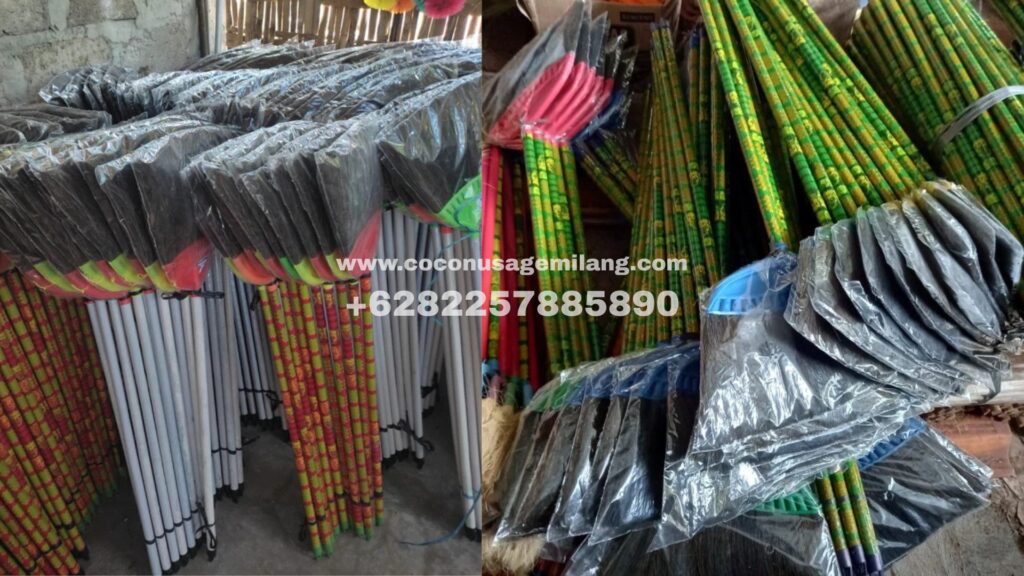
Though most brooms remain handmade, technology plays a supportive role. Digital scales ensure consistent weight and proportion. Moisture meters help monitor drying quality. Exporters use computerized systems for inventory and shipment tracking.
However, the heart of broom-making remains human skill. Machines can assist but not replace the artisan’s touch. The rhythm of hand-tying, the alignment of fibers, and the sense of balance are inherently manual. This blend of human and technical precision defines the product’s authenticity.
Cultural Symbolism
In several Asian traditions, brooms hold symbolic meaning. They represent cleanliness, order, and humility. During festivals, sweeping the house signifies removing misfortune and welcoming new energy.
The garden broom, particularly the long-handled version, carries an added symbolism of care for one’s surroundings. It reflects a respect for labor, nature, and community well-being. Such symbolism contributes to the broom’s enduring relevance even in modern contexts.
Why the Garden Broom with Long Handle Endures
Its endurance lies in versatility, sustainability, and simplicity. It requires no electricity, no maintenance beyond basic care, and functions flawlessly across generations. Its materials return to the earth when discarded.
Few tools combine such utility and ecological grace. Whether used in private gardens or public spaces, the long-handled broom remains a quiet companion to human diligence and environmental mindfulness.
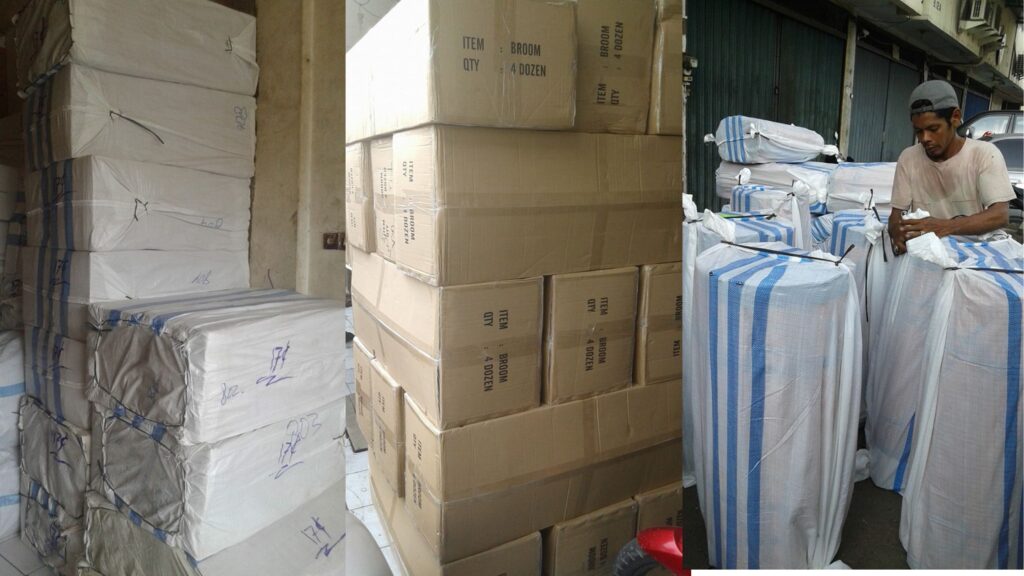
Coco Nusa Gemilang: Upholding Quality and Sustainability
Among Indonesia’s respected producers, Coco Nusa Gemilang stands out for its dedication to excellence. The company specializes in crafting garden brooms with long handles, made entirely by hand from natural materials such as coconut sticks and broom grass.
Every broom produced under the Coco Nusa Gemilang name embodies precision, durability, and sustainability. Skilled artisans follow time-honored methods, ensuring each piece reflects both strength and artistry. Through consistent quality control and ethical sourcing, the company upholds Indonesia’s reputation as a global leader in natural broom manufacturing.
Coco Nusa Gemilang is ready to supply garden brooms with long handles for export to Europe and beyond. Each shipment demonstrates the company’s belief that practicality and environmental care can coexist. By valuing handmade production and renewable resources, Coco Nusa Gemilang continues to promote sustainable living through everyday tools.
Conclusion
The garden broom with a long handle is more than a cleaning device. It embodies centuries of wisdom, craftsmanship, and adaptation. Its enduring presence in homes and gardens worldwide speaks to its reliability and relevance.
As modern society rediscovers the importance of sustainability, tools like these remind us that innovation does not always mean complexity. Sometimes, true progress lies in simplicity—crafted by hand, guided by respect for nature, and built to last.
Through committed manufacturers like Coco Nusa Gemilang, the legacy of the handmade garden broom continues to thrive—sweeping not only leaves and dust but also paving the path toward a more sustainable future.