




In a world increasingly shaped by sustainability demands, natural materials are reclaiming their place across industries. Among these, leafstick coconut has quietly emerged as a versatile, eco-conscious resource with strong commercial potential. Derived from the midribs of coconut leaves, this material is widely used to produce traditional brooms, handicrafts, and utility products that balance function, durability, and environmental responsibility.
At first glance, leafstick coconut may appear simple. However, its value lies in a unique combination of availability, resilience, and cultural heritage. Coconut trees thrive across tropical regions, especially in Southeast Asia, where they form an integral part of rural economies. As a result, the by-products of coconut cultivation—including leafsticks—offer an efficient way to minimize waste while generating income.
Understanding Leafstick Coconut
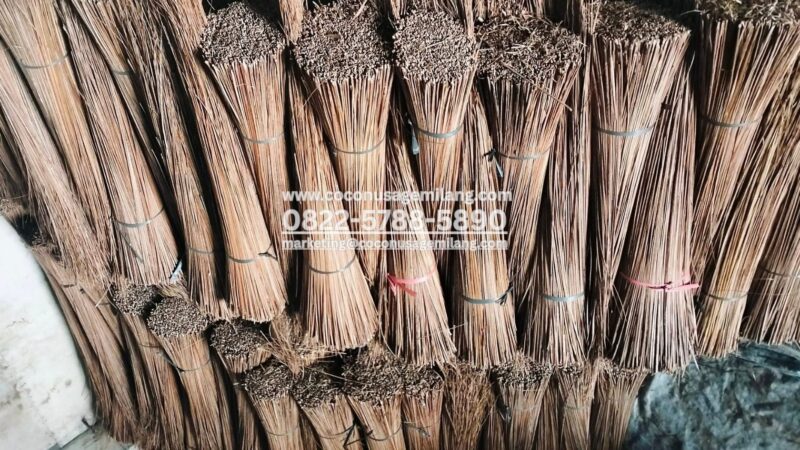
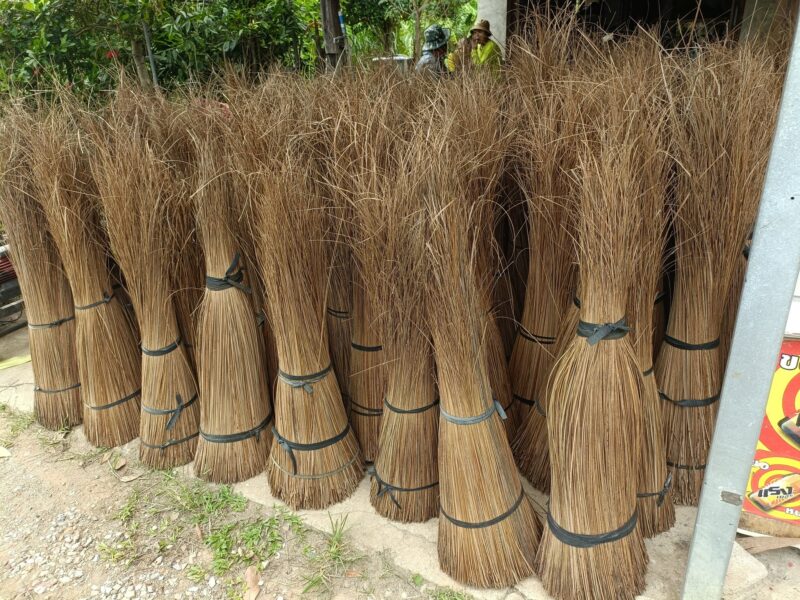
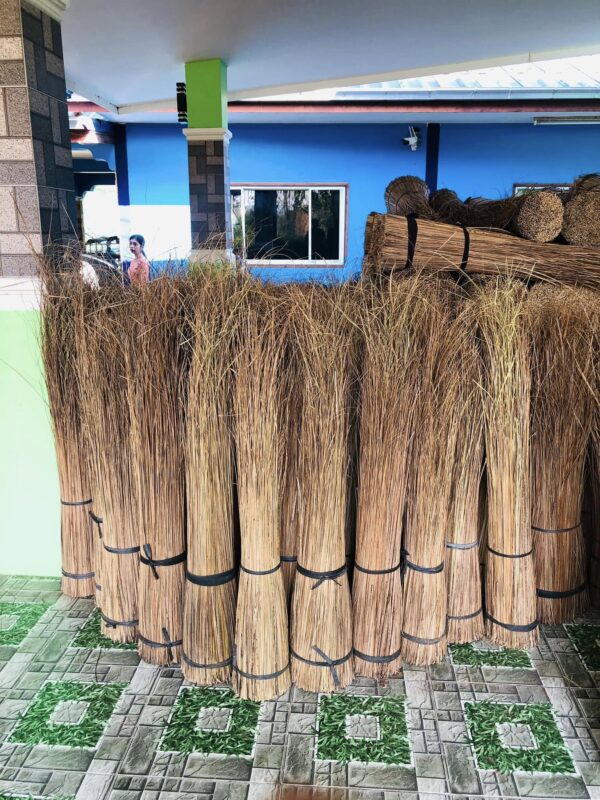
Leafstick coconut refers to the stiff central veins of coconut leaves. After the leaves are harvested and dried, these sticks are separated and bundled for various applications. Most commonly, they are used to create traditional brooms, known for their flexibility and strength.
Unlike synthetic alternatives, coconut leafsticks provide a natural sweeping experience. They effectively gather dust and debris without generating static electricity, making them suitable for both indoor and outdoor use. Moreover, their biodegradable nature aligns with global sustainability goals.
From a production standpoint, the process remains relatively labor-intensive. Workers manually strip, clean, and sort the sticks before assembling them into finished products. This human element not only ensures quality control but also supports local employment.
The Growing Demand for Eco-Friendly Products
Over the past decade, consumer behavior has shifted significantly. Buyers now prioritize environmentally responsible products, and businesses are under pressure to adapt. Consequently, natural materials like leafstick coconut have gained traction in both domestic and export markets.
Several factors drive this demand. First, governments worldwide are implementing stricter regulations on plastic use. Second, consumers are becoming more aware of the environmental impact of their purchases. Finally, retailers are actively seeking sustainable alternatives to differentiate their offerings.
Leafstick coconut products fit seamlessly into this narrative. They are renewable, biodegradable, and cost-effective. Additionally, they carry a story of tradition and craftsmanship that resonates with modern consumers.
Applications Beyond Traditional Brooms
While brooms remain the most common product, leafstick coconut has expanded into other applications. Artisans use the sticks to create decorative items, garden tools, and even structural components for lightweight construction.
For example, in landscaping, leafstick bundles can serve as natural fencing or plant supports. In interior design, they are sometimes incorporated into rustic décor. These diverse uses highlight the material’s adaptability and open new avenues for innovation.
Furthermore, manufacturers are experimenting with improved binding techniques and ergonomic designs. This evolution allows leafstick coconut products to compete more effectively in international markets.
Quality Considerations in Production
Not all leafstick coconut products are created equal. Quality depends on several factors, including the maturity of the leaves, the drying process, and the craftsmanship involved.
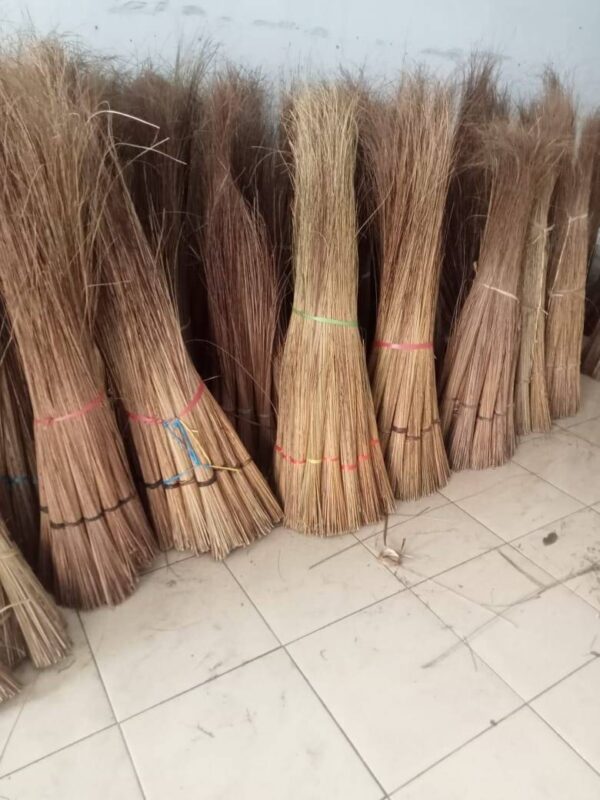
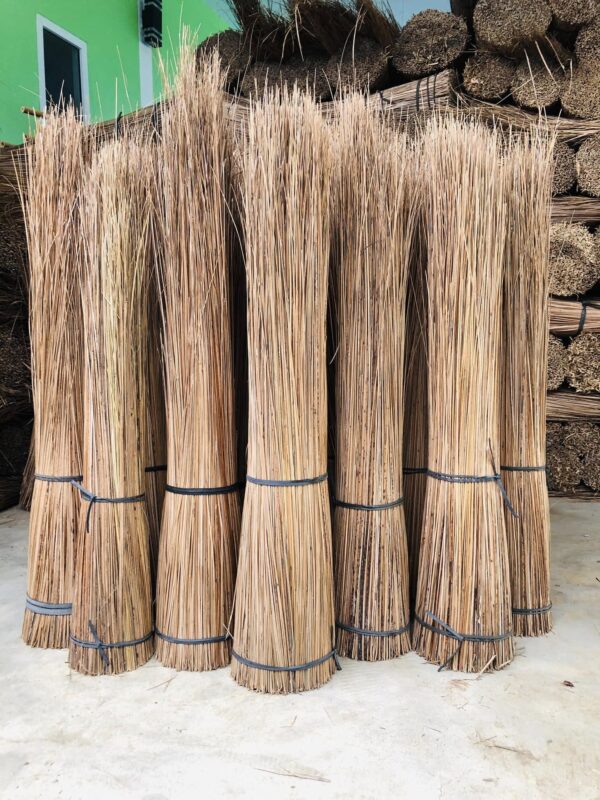
High-quality sticks are typically straight, firm, and free from cracks. Proper drying ensures durability and prevents mold growth. Meanwhile, consistent bundling and secure binding contribute to the product’s longevity.
Producers who maintain strict quality standards can command better prices and build long-term relationships with buyers. Therefore, investing in skilled labor and efficient processes is essential for success.
Supply Chain and Export Potential
The supply chain for leafstick coconut products often begins in rural farming communities. From there, materials move to small-scale workshops or larger manufacturing facilities. Once processed, the finished goods are prepared for domestic distribution or export.
Export markets include countries in Asia, the Middle East, Europe, and Oceania. Each region has its own preferences regarding size, design, and packaging. As a result, flexibility in production becomes a competitive advantage.
Logistics also play a crucial role. Efficient port access, reliable shipping schedules, and proper documentation can significantly impact delivery timelines and customer satisfaction.
Coco Nusa Gemilang: A Trusted Manufacturer and Supplier
In this evolving landscape, Indonesia has positioned itself as a key player in the leafstick coconut industry. Among the leading names, Coco Nusa Gemilang stands out as a reliable manufacturer and supplier of high-quality leafstick coconut handicrafts. The company combines traditional expertise with modern production standards, ensuring consistent quality across every shipment.
Moreover, Coco Nusa Gemilang offers competitive pricing without compromising on craftsmanship. Their pricing structure remains flexible and can be adjusted based on order volume, allowing buyers to optimize their procurement strategy. This approach creates a win-win scenario, especially for importers seeking long-term partnerships.
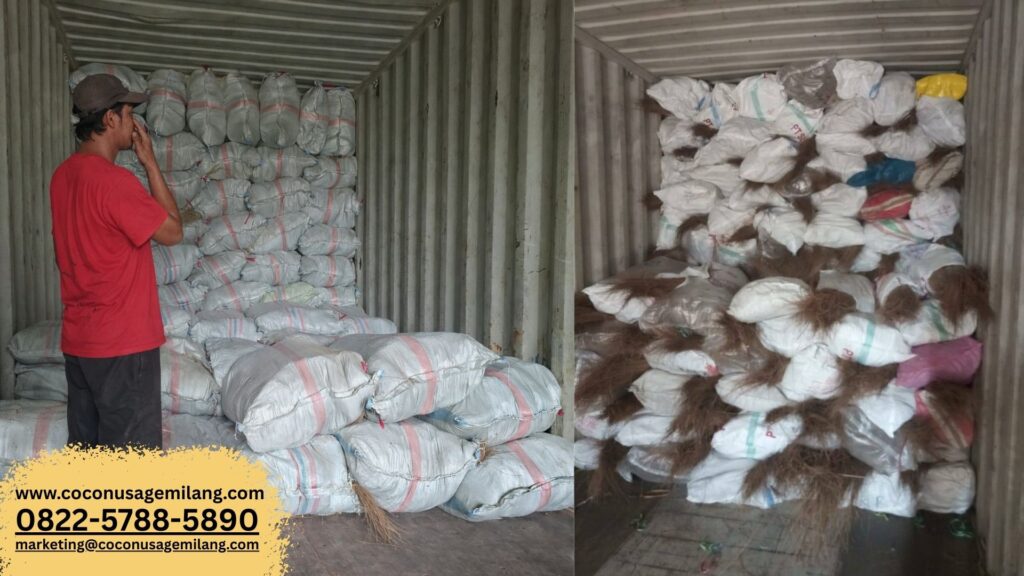
In addition, the company demonstrates strong production capacity. With the ability to supply up to 2 x 40 HC containers per month, Coco Nusa Gemilang ensures that large-scale demands can be met without delays. Their operations are strategically located with access to Semarang Port, Indonesia, which facilitates smooth export processes.
Equally important, the company maintains open communication with clients. Pricing and specifications remain negotiable depending on mutual agreements, fostering transparency and trust. Therefore, businesses looking to expand their product lines can confidently explore collaboration opportunities with Coco Nusa Gemilang.

Why Collaboration Matters in Today’s Market
As competition intensifies, collaboration becomes a key driver of growth. Instead of operating in isolation, businesses benefit from forming strategic partnerships with reliable suppliers. This is particularly true in the leafstick coconut industry, where consistency and quality are critical.
By working closely with manufacturers, importers can customize products to suit their target markets. For instance, adjustments in size, binding style, or packaging can significantly enhance product appeal. At the same time, suppliers gain valuable insights into market trends and consumer preferences.
Therefore, now is the right time to explore collaborative opportunities. Whether you are a distributor, retailer, or brand owner, partnering with an experienced manufacturer can strengthen your market position.
Sustainability as a Competitive Advantage
Sustainability is no longer optional—it is a necessity. Companies that embrace eco-friendly practices not only reduce their environmental footprint but also enhance their brand image.
Leafstick coconut products naturally align with this objective. They utilize agricultural waste, require minimal processing, and decompose without harming the environment. As a result, they offer a compelling alternative to synthetic products.
Businesses that integrate such materials into their portfolios can attract environmentally conscious consumers. Furthermore, they can meet regulatory requirements more easily and position themselves as responsible market players.
Challenges and Opportunities
Despite its advantages, the leafstick coconut industry faces several challenges. These include fluctuations in raw material supply, labor shortages, and competition from low-cost producers.
However, these challenges also present opportunities. By investing in training, improving efficiency, and maintaining quality standards, producers can differentiate themselves. Additionally, branding and storytelling can elevate the perceived value of leafstick coconut products.
For example, highlighting the cultural heritage and environmental benefits can create a stronger emotional connection with customers. This approach transforms a simple product into a meaningful purchase.
Future Outlook
Looking ahead, the future of leafstick coconut appears promising. As global demand for sustainable products continues to rise, this humble material is likely to gain greater recognition.
Innovation will play a crucial role in this growth. From improved designs to new applications, the possibilities are vast. At the same time, maintaining authenticity and quality will remain essential.
Businesses that act early and build strong supply chains will be better positioned to capitalize on this trend. Therefore, strategic planning and collaboration should be prioritized.

Conclusion: An Invitation to Grow Together
Leafstick coconut represents more than just a product—it embodies sustainability, tradition, and opportunity. Its versatility and eco-friendly nature make it a valuable addition to modern markets.
At the same time, success in this industry depends on strong partnerships. By collaborating with experienced manufacturers like Coco Nusa Gemilang, businesses can ensure consistent quality and reliable supply.
So, why not take the next step? Consider integrating leafstick coconut products into your portfolio and explore how collaboration can drive mutual growth. Together, we can create value, support sustainable practices, and expand market reach in a meaningful way.
If you are ready to move forward, now is the perfect moment to start the conversation.