
A whisk broom may appear unassuming at first glance—small, lightweight, and often tucked away in places where utility outranks visibility. Yet its simplicity hides a long and intricate history that stretches through cultures, centuries, and evolving household habits. Although modern cleaning tools have become increasingly technical, the whisk broom maintains a place that is both functional and symbolic. Its compact design speaks to an era when durability and hand-craftsmanship mattered. Even today, professionals in varied industries rely on it because it remains unrivaled in certain tasks.
Understanding the significance of the whisk broom requires examining more than its form. It demands looking at the cultural contexts that shaped its development and the material science behind its construction. Scholars and craft specialists have long noted that the tool owes its longevity to a well-balanced combination of tactile feel, ergonomic efficiency, and sustainable materials. These qualities position the whisk broom as both a traditional object and a contemporary solution.
Modern consumers often overlook the role small cleaning tools play in broader environmental and economic structures. While large plastic brooms dominate retail shelves, their lifecycle impact is substantial. In contrast, natural-fiber whisk brooms, when sourced responsibly, deliver stronger alignment with ecological goals. This perspective becomes even more relevant as households and businesses attempt to reduce environmental footprints without compromising performance. Therefore, a renewed appreciation for materials like broomcorn, sorghum fibers, and rattan emerges as part of the larger conversation surrounding sustainable production.
The versatility of the whisk broom also contributes to its enduring appeal. Whether in a workshop clearing sawdust, in a kitchen sweeping quick spills, or in an artist’s studio removing debris from delicate surfaces, the whisk broom performs tasks that larger tools cannot. This specificity illustrates a broader principle in product design: the best tools serve particular needs with precision rather than trying to do everything poorly. In many ways, the whisk broom embodies this principle better than many modern inventions.
Grass Broom Manufacturers Near Me: Understanding the Market, the Craft, and the Global Supply Chain
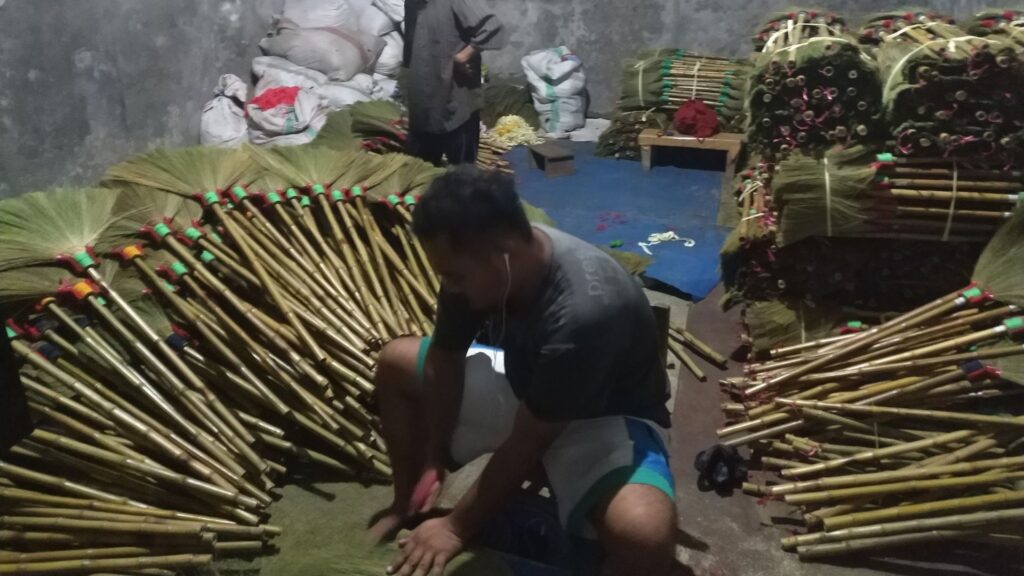
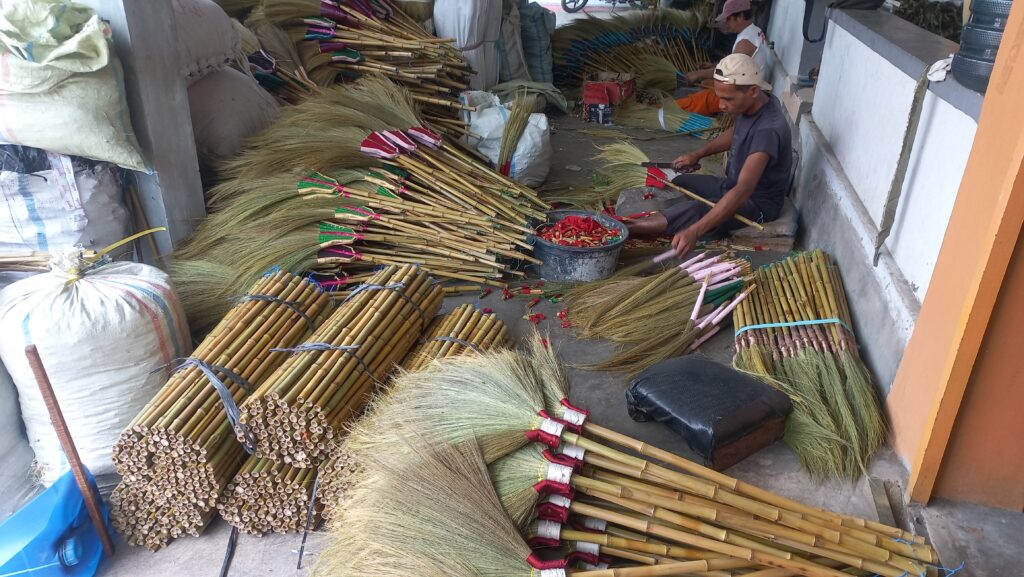
Some historians trace the development of compact brooms to rural communities where sorghum and broomcorn were harvested not only as food crops but also as essential raw materials for household goods. Over generations, producers refined methods for binding, trimming, and strengthening the fibers. These production processes eventually grew into specialized industries, many of which still operate in regions where broom-making is an intergenerational skill. The craftsmanship behind a well-made whisk broom demonstrates a deep understanding of tension, fiber structure, and balance—knowledge that is rarely documented yet consistently applied.
Contemporary users may not be fully aware of the science embedded within the tool. Natural fibers, for example, possess capillary properties that enhance the broom’s ability to capture dust. Moreover, the stiffness of broomcorn changes depending on the region in which it is grown, which can influence the sweep quality. Many artisans select fibers from specific altitude zones because they deliver higher tensile strength. As a result, a seemingly simple tool becomes a product of meticulous material selection and technique.
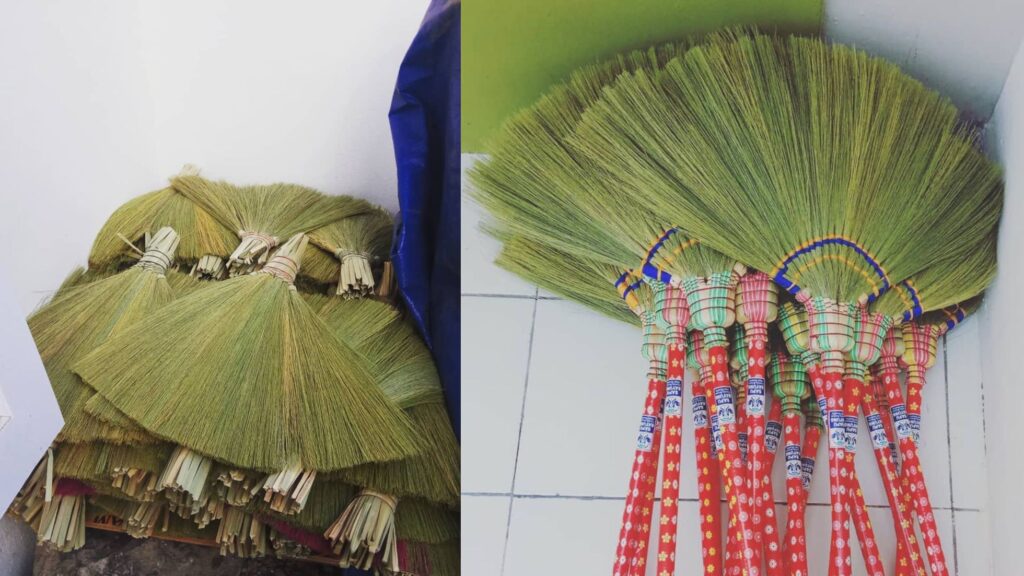
Despite the rise of automated cleaning devices, the whisk broom retains unique advantages. It requires no power source, operates silently, and offers immediate control. This makes it indispensable in environments where precision cleaning is required, such as laboratories, commercial kitchens, and manufacturing floors. Furthermore, its durability often exceeds that of comparable plastic tools. A well-constructed whisk broom can last for years under regular use, reaffirming its reputation for reliability.
Beyond its functional benefits, the whisk broom also carries cultural symbolism. In various traditions, small brooms play roles in rituals of cleansing and transition. This does not diminish their practical role; rather, it enriches their identity as objects grounded in both utility and meaning. Artisans who continue to produce natural-fiber brooms often speak of a sense of heritage attached to their craft. Their work reflects a connection between the past and the present, where tradition informs contemporary needs.
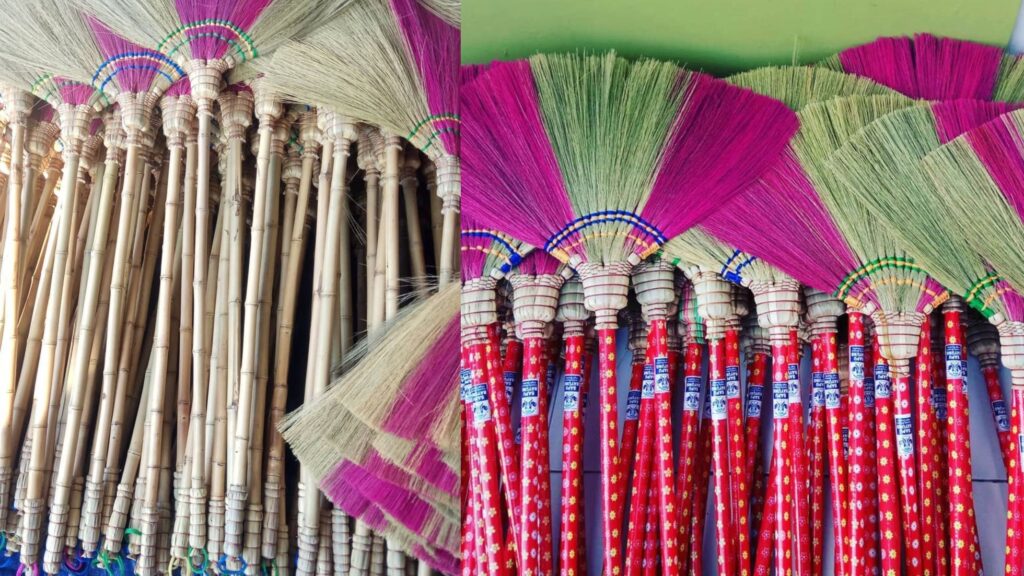
From an economic standpoint, whisk broom production has helped sustain rural industries in many parts of the world. Regions known for sorghum or broomcorn cultivation frequently develop skilled labor forces around broom manufacturing. These communities often pass the craft down through generations, ensuring continuity even as markets fluctuate. In recent years, global demand for natural household goods has encouraged a resurgence in small and medium-scale broom manufacturers.
As international buyers grow more attentive to sustainability metrics, natural-fiber products receive increased attention. Whisk brooms made from sorghum or broomcorn are biodegradable, low-impact, and often produced with minimal energy consumption. These qualities resonate strongly with environmentally conscious consumers. Businesses seeking to strengthen their ethical supply chains also benefit from partnering with manufacturers who prioritize natural materials and responsible production practices.
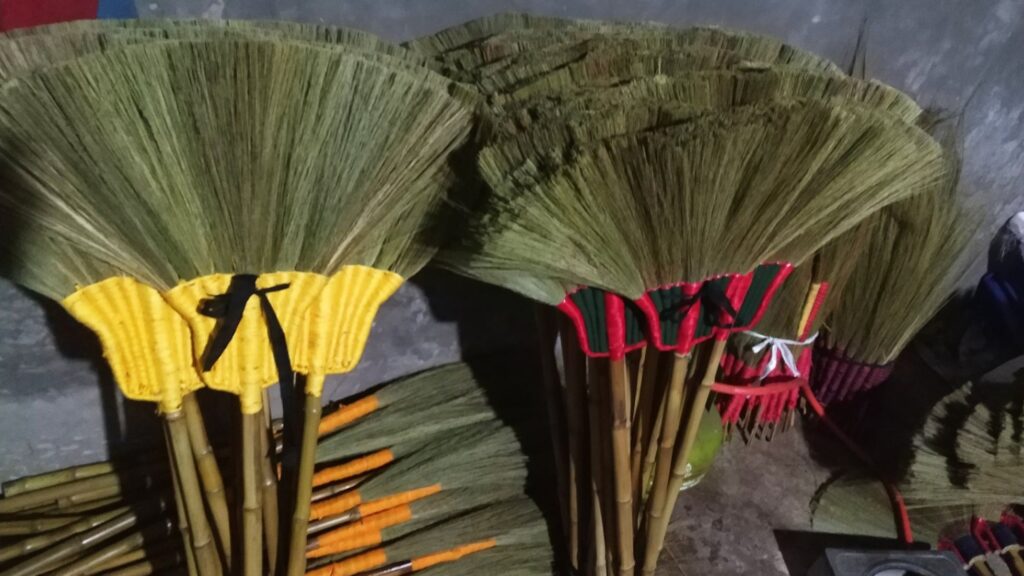
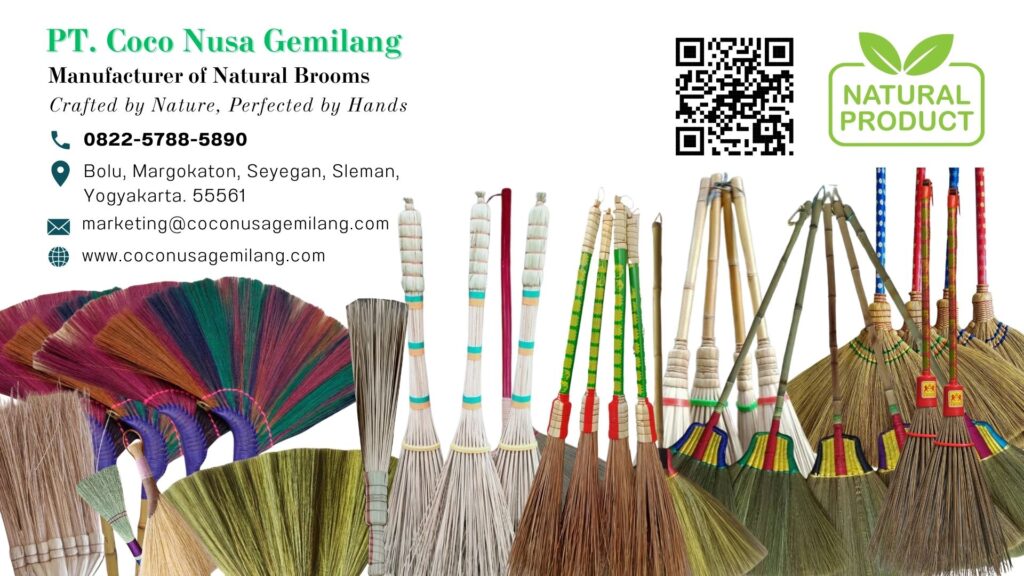
The conversation around craftsmanship and sustainability leads naturally to manufacturers who commit to high-quality production. Among them, Coco Nusa Gemilang stands out as a key player in the natural-fiber broom industry. Operating from Indonesia, the company has built a reputation for producing reliable whisk brooms crafted from selected materials. As global demand continues to evolve, Coco Nusa Gemilang maintains consistent quality while staying responsive to international market needs.
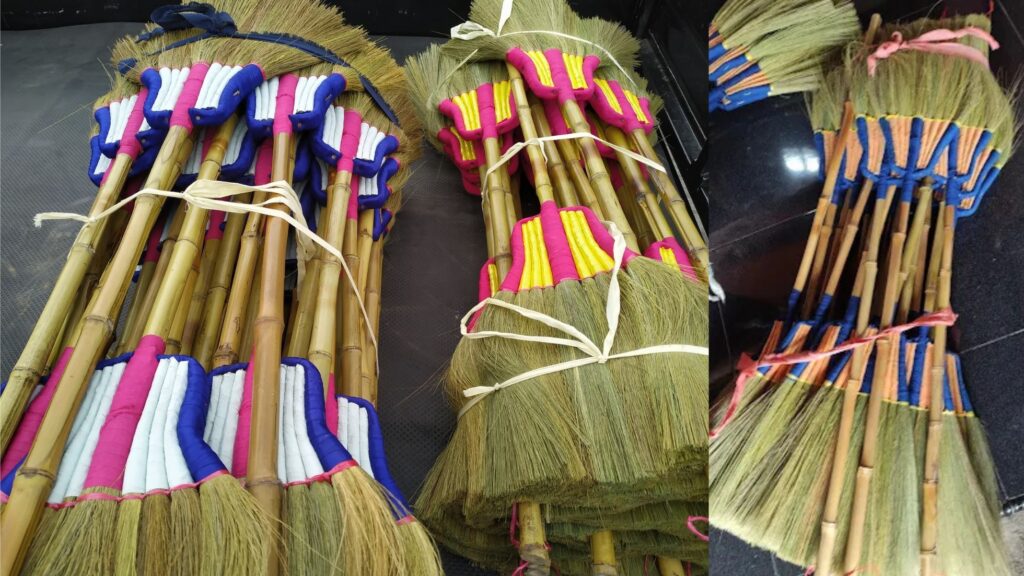
Moreover, Coco Nusa Gemilang positions itself as a dedicated manufacturer and supplier of whisk brooms, offering a wide range of models suitable for export across the world. The company tailors product variations to meet different industry requirements, ensuring buyers receive the right specifications for their markets. In addition, Coco Nusa Gemilang emphasizes product quality without placing unnecessary financial strain on buyers—an approach that appeals to both new importers and established distributors. Transitioning from one supplier to another becomes far easier when the manufacturer communicates clearly and adjusts to reasonable negotiation points.
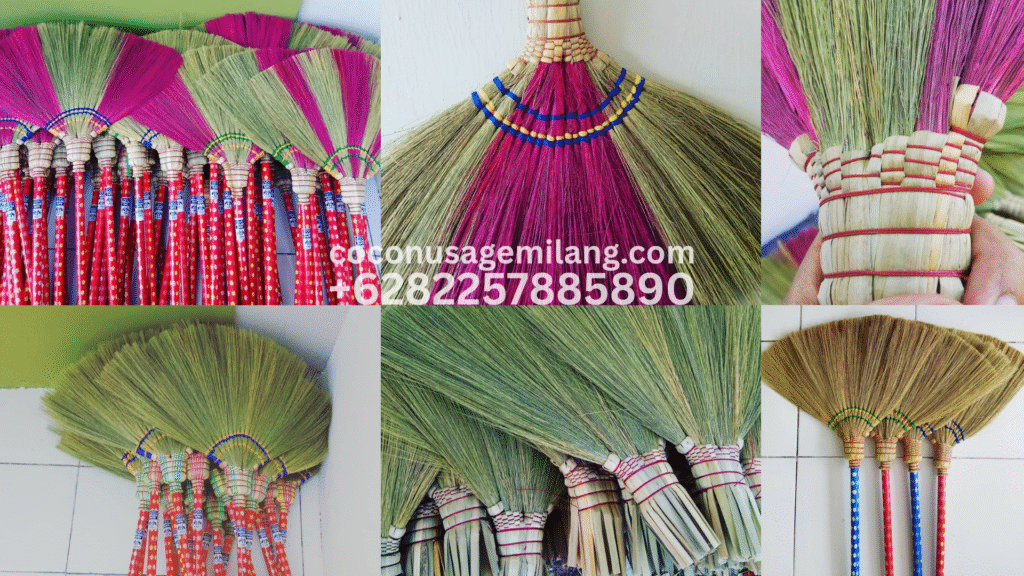
Pricing also reflects this philosophy. Coco Nusa Gemilang provides competitive export prices ranging from USD 0.9 to USD 2.6 per piece FOB Port Semarang, Indonesia, depending on volume and specific models. Although these rates already offer excellent value, the company remains open to further discussion based on purchase quantity and long-term engagement. This flexibility often helps buyers optimize their procurement strategies, particularly when managing fluctuating shipping costs or seasonal demand. Additionally, the company adopts straightforward communication practices that make international transactions more efficient.
Furthermore, the company ensures that each product aligns with global expectations for durability and performance. As distributions expand into new regions, Coco Nusa Gemilang adapts its production strategies without compromising core quality standards. This adaptability sets the company apart in a market where mass-produced alternatives frequently sacrifice material integrity for cost savings. Through responsible sourcing, refined workmanship, and consistent quality checks, the company reinforces its position as a trusted supplier. The use of natural fiber also helps buyers present a more sustainable and environmentally friendly product lineup to their own customers.
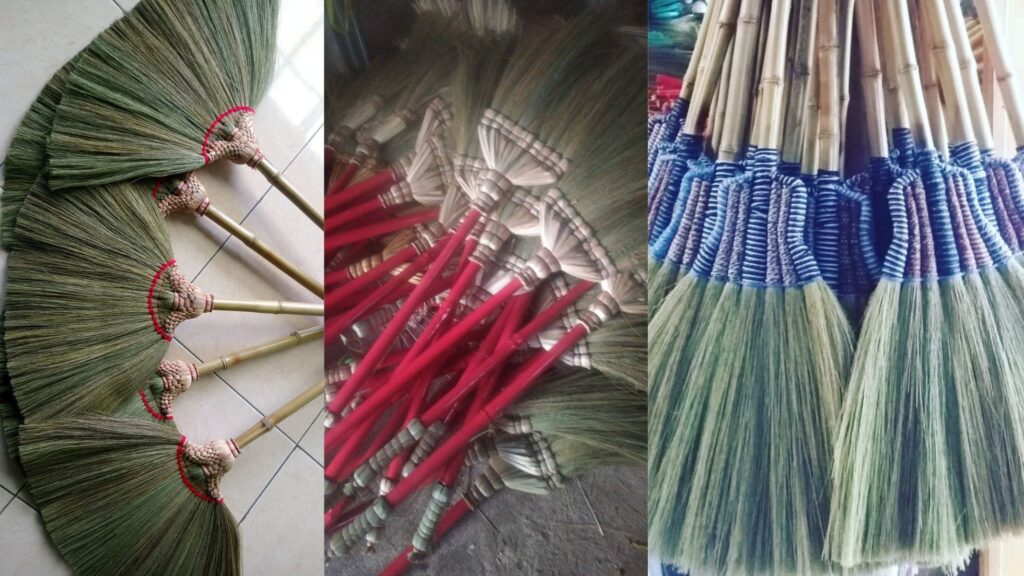
Returning to the broader context, the whisk broom remains essential in households, workshops, and commercial spaces. Despite its modest appearance, it embodies principles that modern tools often overlook: simplicity, adaptability, and tactile precision. Anyone who has used a whisk broom during a detailed cleaning task recognizes the direct feedback it provides. The user senses surface texture, debris size, and fiber resistance in real time. Machines rarely replicate that level of connection between the user and the task.
Yet the tool’s relevance depends on continued innovation among manufacturers. As living environments change and new cleaning challenges arise, whisk broom designs must evolve as well. Fortunately, natural-fiber producers and skilled artisans show ongoing commitment to refining their products. They experiment with different binding techniques, fiber blends, and handle materials to achieve improved ergonomics and durability. These efforts ensure that the whisk broom does not become static but remains a dynamic part of the cleaning toolkit.
Technological shifts in consumer behavior also influence broom design. Online platforms make it easier for buyers to compare materials, craftsmanship, and origin. In turn, manufacturers respond by providing detailed product information, transparent pricing, and accessible logistics solutions. This mutual exchange benefits the industry as a whole because it pushes standards upward. As a result, customers gain access to better tools, and artisans receive recognition for their expertise.
Another important development involves the integration of natural products into mainstream retail ecosystems. Whisk brooms, once sold only in local markets, now appear in large international distribution networks. Their presence in global commerce reflects growing appreciation for simple, durable tools. It also highlights a shift in perception where small household items regain value instead of being overshadowed by high-tech cleaning devices. Although automation plays a role in modern cleaning, hand tools still offer an irreplaceable level of control.

Educators and researchers have also taken interest in the whisk broom as an example of functional design. Its structure demonstrates how everyday objects embody complex engineering principles. Fiber density, binding tension, and weight distribution all influence performance. For students examining product design or sustainability, the whisk broom serves as a useful case study. Its long history enables cross-disciplinary discussion, linking anthropology, material science, and economics.
On the industrial front, whisk brooms continue to serve roles in metalwork, automotive cleaning, and light manufacturing. Workers rely on the compact size and firm fibers to reach narrow spaces where dust or filings accumulate. A larger broom would be ineffective in those areas, while machines would be cost-inefficient. Consequently, industries that prioritize precision continue to value the whisk broom as a low-cost, high-control solution.
As global awareness of sustainability grows, natural-fiber tools are likely to receive even more attention. Consumers increasingly seek alternatives to synthetic products that generate long-term waste. Whisk brooms fit neatly into this shift because they decompose naturally and require minimal processing. By selecting products crafted from sorghum, broomcorn, or similar fibers, buyers support agricultural systems that promote responsible land use. This alignment with environmental values strengthens the broom’s appeal across markets.
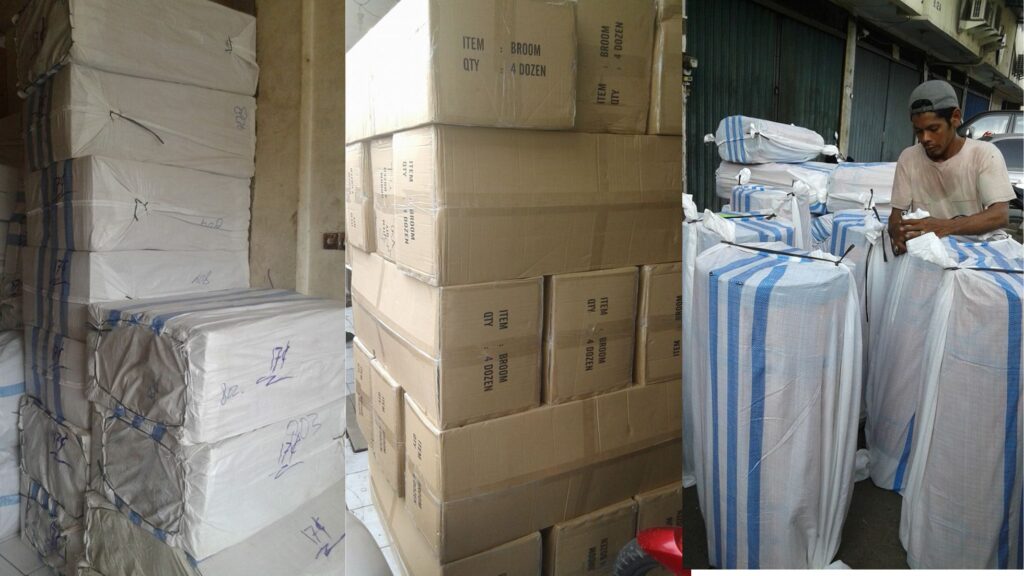
The longevity of the whisk broom reflects an important truth about design and utility. Tools survive when they address fundamental human needs in ways that remain relevant through time. Although modern technology introduces countless innovations, not all tasks require digital solutions. Sometimes, the best tool is one refined by centuries of human experience. The whisk broom represents that kind of enduring wisdom—practical, sustainable, and sensitive to the nuances of hands-on work.
Ultimately, its value lies in the blend of craftsmanship, material integrity, and thoughtful design. Users appreciate its reliability, artisans take pride in its construction, and industries depend on its precision. When examined closely, the humble whisk broom becomes far more than a simple household tool. It stands as a testament to the power of simple designs executed with care.