

Introduction
The broom grass trade in Indonesia has grown steadily over the past decade. What once began as a cottage industry has evolved into an organized sector with international relevance. Behind this growth lies a blend of traditional craftsmanship, environmental awareness, and the global demand for eco-friendly household tools.
Among the leading players in this sector, Coco Nusa Gemilang stands out as a trusted broom grass importer and manufacturer in Indonesia, ready to supply premium handmade brooms to European markets. The company’s focus on sustainability and quality craftsmanship has helped redefine how the world perceives natural cleaning tools from Indonesia.
The Essence of Broom Grass
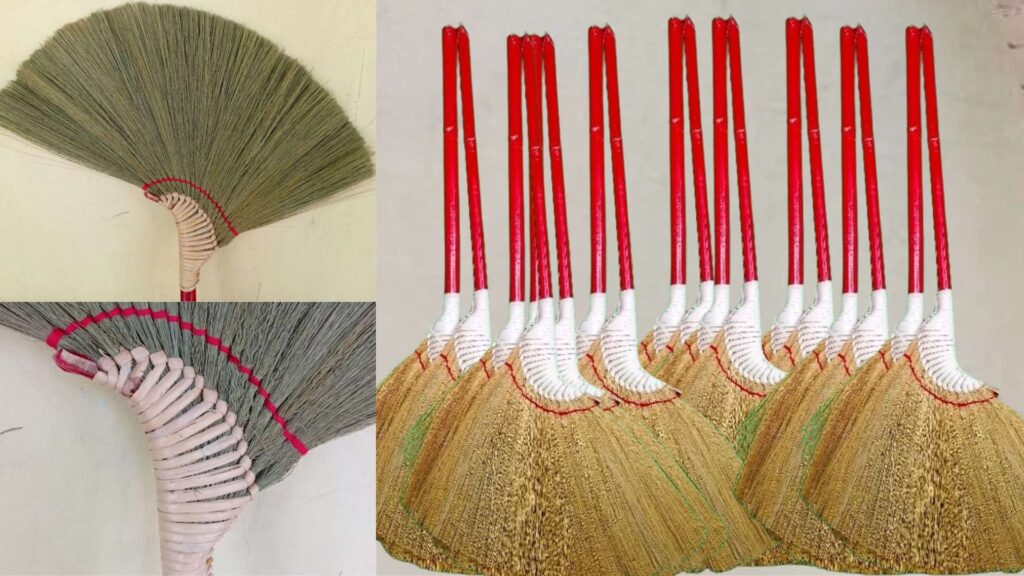
Broom grass, often called Thysanolaena maxima, is a natural grass species commonly found in tropical regions. Its long, flexible fibers make it ideal for crafting sturdy yet lightweight brooms. Unlike synthetic materials, broom grass decomposes naturally, making it an environmentally responsible choice.
Indonesia, with its tropical climate and rich biodiversity, provides suitable conditions for cultivating this versatile grass. The highlands of Sumatra, Java, and Sulawesi are home to communities that have relied on broom-making for generations. These artisans transform raw broom grass into tools that serve both function and beauty.
The material’s natural strength and aesthetic appeal have attracted attention beyond domestic markets. As global awareness of sustainability grows, broom grass has emerged as a symbol of eco-conscious living.
The Market Dynamics in Indonesia
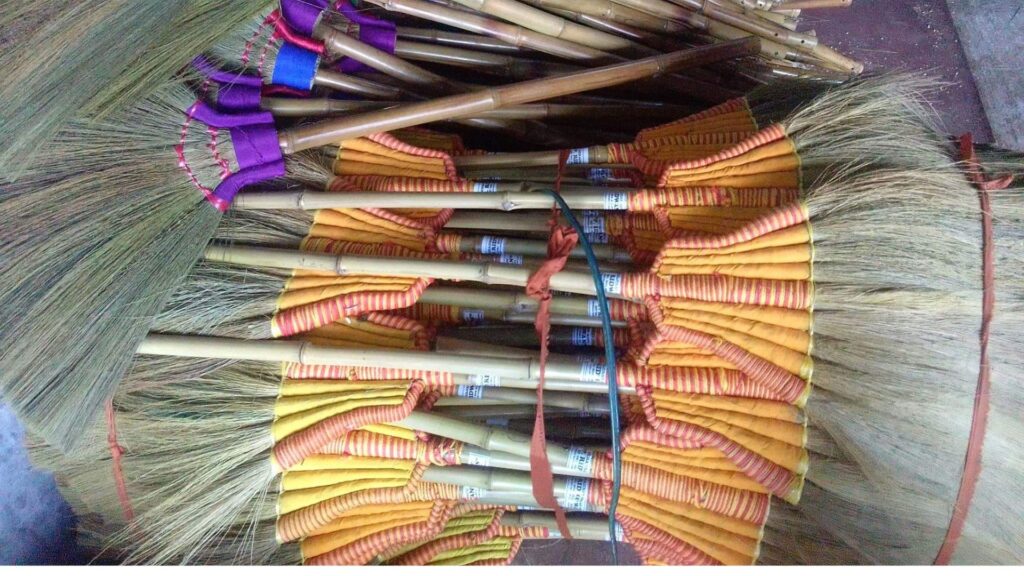
Indonesia’s broom industry operates within a complex ecosystem of farmers, collectors, and manufacturers. The grass itself is often sourced from smallholder farmers who harvest it manually. The process involves drying, sorting, and cleaning before the fibers are bundled for export or local production.
Importers play a vital role in connecting these raw materials to global buyers. While many countries import broom grass to meet production needs, Indonesia also imports specific varieties to complement local resources. These imports ensure consistency in texture, color, and durability — aspects essential for meeting international standards.
Over the last few years, broom grass importers in Indonesia have expanded their networks to include partners from Southeast Asia and South Asia. Such collaboration helps stabilize prices and diversify supply chains. By maintaining strong ties with neighboring countries, Indonesian importers can manage fluctuations in raw material availability while ensuring quality control.
The Role of Importers in Value Creation
Importers are not merely intermediaries. They function as enablers of innovation, sustainability, and trade balance. By sourcing quality broom grass, they provide manufacturers with materials suited for premium handmade broom production.
Companies like Coco Nusa Gemilang have taken this role further. They import, process, and manufacture broom products under one integrated system. This model guarantees full traceability, ensuring that every step — from raw grass selection to final assembly — adheres to strict quality and ethical standards.
Such integration enhances efficiency and transparency, both of which are critical in international trade. Buyers from Europe, for instance, increasingly demand proof of responsible sourcing. Indonesian importers that uphold these standards stand to gain a competitive edge.
Handmade Craftsmanship and Its Cultural Significance
Indonesia’s broom-making tradition embodies both artistry and practicality. In many rural areas, broom-making is not just a job but a legacy. Families pass down techniques through generations, ensuring each broom retains a personal touch that machines can never replicate.
At Coco Nusa Gemilang, every broom is handmade by skilled artisans who understand the nature of each fiber. The process involves precise cutting, binding, and stitching. Each handle, often made of wood or bamboo, is smoothed and shaped to perfection. This attention to detail ensures durability and comfort during use.
Moreover, handmade production supports local employment. It empowers rural communities, especially women, who form the backbone of Indonesia’s broom-making workforce. Through fair wages and sustainable production methods, these artisans contribute directly to their local economies while preserving cultural identity.
Sustainability: The Core of the Industry

Sustainability has become more than a marketing buzzword. It defines the ethical foundation of modern manufacturing. In the broom grass sector, this translates into responsible sourcing, minimal waste, and eco-friendly packaging.
Coco Nusa Gemilang exemplifies this principle. The company prioritizes renewable materials and reduces carbon footprints throughout its operations. By maintaining close relationships with local farmers, it ensures that broom grass is harvested without damaging ecosystems. Replanting programs help maintain soil health and biodiversity in cultivation areas.
Additionally, production facilities follow environmentally sound practices. Water use is controlled, and waste is recycled whenever possible. Each broom is a reflection of this commitment — a product that embodies both function and responsibility.
Export Opportunities and Global Demand
The demand for natural brooms has increased significantly in recent years. Consumers, especially in Europe, are shifting toward biodegradable household products. Plastic bans and environmental regulations have accelerated this transition.
As a result, Indonesia’s handmade brooms are gaining strong traction in international markets. Their natural appearance, fine craftsmanship, and eco-friendly value appeal to environmentally conscious buyers.
Coco Nusa Gemilang, as one of the key exporters, has developed a reputation for delivering quality products that meet European standards. The company’s export strategy focuses on reliability, timely delivery, and consistent product excellence. Its ability to combine traditional methods with modern export logistics makes it a preferred partner for distributors abroad.
Export data also shows an upward trend in orders from European countries such as Germany, France, and the Netherlands. These nations appreciate the handmade quality and authenticity that distinguish Indonesian brooms from mass-produced alternatives.
The Enduring Craft of Straw Brooms in Indonesia: Tradition, Industry, and Sustainability
Challenges in the Broom Grass Supply Chain
Despite its growth, the broom grass industry faces several challenges. One major issue is the fluctuating cost of raw materials. Seasonal variations can affect grass availability, leading to price instability. Importers must carefully balance sourcing strategies to mitigate such risks.
Transportation and logistics also pose obstacles. The delicate nature of broom grass requires proper handling to prevent damage during shipment. Maintaining quality from harvest to export demands meticulous coordination among suppliers, transporters, and exporters.
Another concern lies in labor availability. While the industry supports local employment, younger generations often move away from rural areas in search of different work. To address this, companies like Coco Nusa Gemilang invest in training programs, offering stable jobs and skill development opportunities to preserve craftsmanship traditions.
Regulatory compliance is another key factor. International buyers expect clear documentation of sustainability practices, fair labor policies, and product safety standards. Meeting these requirements involves constant adaptation to global trade rules.
Technological Integration and Innovation
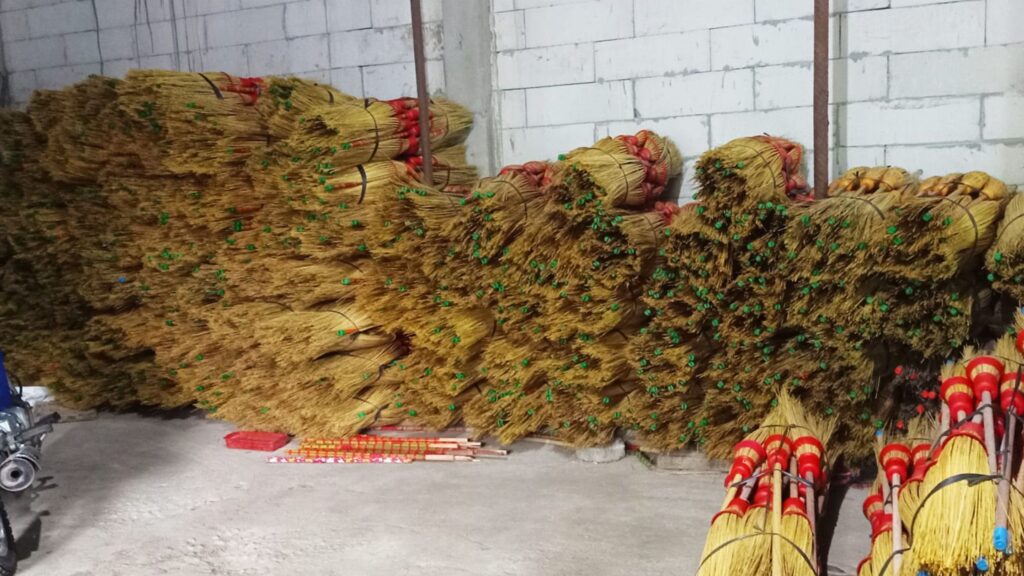
Tradition remains central to broom-making, but technology now supports efficiency and market reach. Data management tools track supply chains from import to export. Quality control systems ensure consistency in each batch.
For example, Coco Nusa Gemilang utilizes modern packaging methods that protect brooms during shipment without compromising environmental values. The company’s use of digital communication platforms enhances coordination with global buyers, allowing real-time updates on production and delivery.
Innovation also appears in design. By combining traditional broom grass fibers with ergonomic handles, manufacturers create products that appeal to both functional and aesthetic preferences. This blend of tradition and innovation keeps Indonesian brooms relevant in a fast-evolving market.
The European Market: A Window of Opportunity
Europe represents one of the most promising destinations for Indonesia’s broom exports. Consumers there prioritize sustainability, artisanal quality, and transparency in sourcing. The growing rejection of plastic goods provides a perfect opportunity for natural alternatives.
Coco Nusa Gemilang has positioned itself strategically to meet these expectations. Its handmade brooms, crafted with attention to both design and durability, align with the European preference for eco-conscious yet elegant household items.
Furthermore, the company’s readiness to comply with European Union trade and environmental standards strengthens its credibility. By maintaining consistent quality and sustainable practices, Coco Nusa Gemilang builds long-term trust with European partners and distributors.
Collaboration with Local Communities
The backbone of the broom grass industry lies in the smallholder farmers and village artisans who contribute to every stage of production. Successful importers recognize this connection and invest back into their communities.
Coco Nusa Gemilang works closely with local cooperatives to ensure fair trade and capacity building. Through partnerships, the company promotes sustainable farming techniques and quality improvements. Farmers receive training on selective harvesting, drying methods, and storage practices that help maintain high standards for export materials.
These initiatives create a cycle of shared benefit. As global demand increases, local communities prosper, leading to broader rural development and environmental resilience.
Future Outlook and Strategic Growth
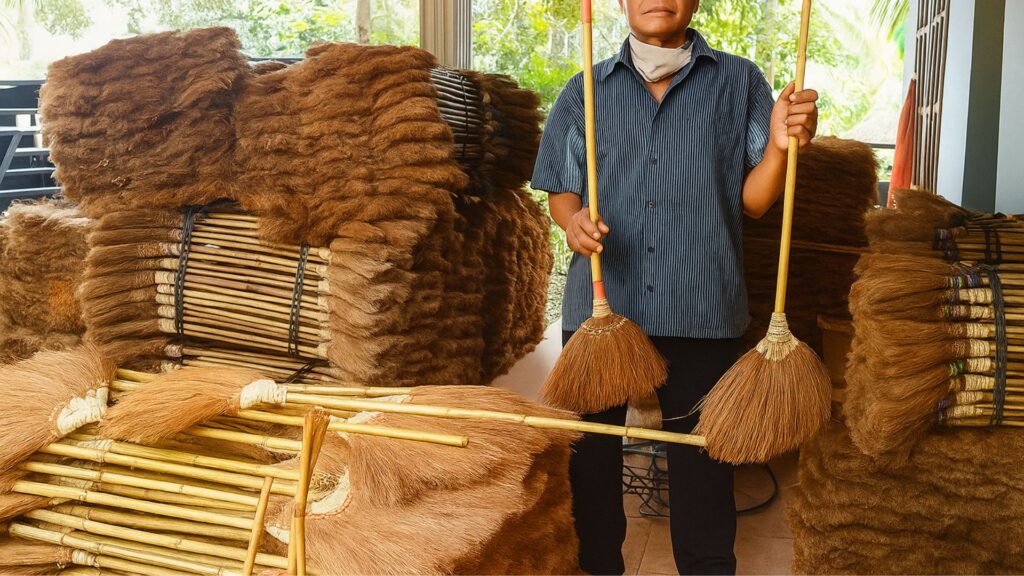
Looking ahead, Indonesia’s broom grass import and export industry shows strong potential for expansion. The convergence of sustainability trends and artisanal craftsmanship gives the sector a distinct advantage.
Market diversification will play a crucial role. While Europe remains a primary target, opportunities also exist in North America, the Middle East, and parts of Asia where eco-friendly goods are gaining popularity.
For companies like Coco Nusa Gemilang, strategic alliances with distributors and importers abroad will enhance market penetration. Investments in branding, packaging innovation, and online marketing can further elevate Indonesian broom products to global recognition.
The government’s support in promoting small-scale industries and sustainable exports will also shape future growth. Policies encouraging fair trade, training programs, and green certifications can enhance Indonesia’s competitive position in the global broom market.
Conclusion
The broom grass import sector in Indonesia is more than a trade — it’s a story of craftsmanship, sustainability, and cultural pride. As the world turns toward natural, biodegradable products, Indonesia’s handmade brooms offer both practicality and purpose.
Coco Nusa Gemilang, a leading broom grass importer and manufacturer, exemplifies this blend of tradition and modernity. Through ethical sourcing, skilled craftsmanship, and a commitment to environmental responsibility, the company stands ready to supply high-quality handmade brooms to Europe and beyond.
Every broom carries a story — of farmers who nurture the land, artisans who craft with care, and a company that believes sustainability is not a choice but a duty. Together, they represent Indonesia’s growing role in the global movement toward sustainable living.