


Introduction
In recent years, Indonesia has quietly become a leading player in the natural broom grass industry. While the nation is often celebrated for its coffee, spices, and textiles, another handcrafted product is gaining traction among eco-conscious buyers and global importers — broom grass. This simple yet essential household tool reflects not only local craftsmanship but also the growing international demand for sustainable and biodegradable cleaning products.
As global environmental awareness increases, importers across Europe, Asia, and the Middle East are turning toward Indonesia to source high-quality broom grass. These importers seek not just efficiency and affordability but also authenticity and ethical value. Within this thriving ecosystem, Coco Nusa Gemilang has emerged as one of Indonesia’s most reputable broom grass manufacturers, dedicated to exporting handmade brooms that meet international standards of quality, sustainability, and design integrity.
Understanding Broom Grass and Its Global Appeal
Broom grass, known locally as rumput sapu or alang-alang sapu, is a natural fiber derived from wild grasses that grow abundantly in tropical climates. Its durability, flexibility, and natural texture make it ideal for creating eco-friendly cleaning tools.
Unlike synthetic brooms made from plastic bristles, broom grass products offer a biodegradable alternative that aligns perfectly with modern sustainability movements. Importers from countries such as Germany, Belgium, the Netherlands, and Australia increasingly prefer natural brooms because they reduce waste and promote green living.
Furthermore, broom grass from Indonesia has earned attention due to its superior texture and long-lasting performance. The grass species found in Indonesia tend to have stronger fiber density, making them resilient even under frequent use.
Indonesia’s Position in the Global Broom Grass Market
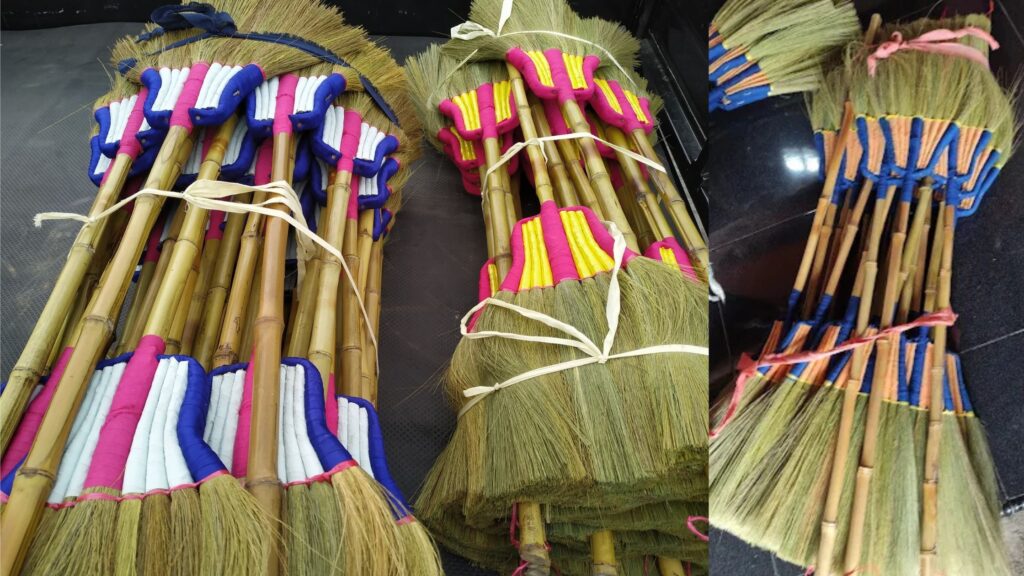
Indonesia’s strategic position within the global broom grass market is supported by its abundant natural resources, skilled artisans, and competitive production costs. Many rural communities in Central Java, Yogyakarta, and West Sumatra have long traditions of weaving natural fibers into everyday tools. This tradition continues today, adapted to international demand.
Exporters and importers alike appreciate Indonesia’s ability to blend traditional methods with modern export requirements. Local manufacturers adhere to international quality standards, ensure consistent supply chains, and maintain strong communication with import partners. This combination of craftsmanship and professionalism gives Indonesia a competitive advantage over other producers in the region.
Moreover, Indonesia’s government actively supports small and medium-sized enterprises (SMEs) that promote sustainable export products. Such support includes export training programs, participation in trade fairs, and online marketplace integration. Through these initiatives, broom grass producers have better access to global buyers and import networks.
What Importers Look for in Indonesian Broom Grass
Professional importers today are not only concerned about price; they evaluate a broader set of criteria. These include:
- Consistency of Quality – Importers demand uniform texture, stable color, and sturdy binding. A single defective batch can affect an entire brand’s reputation.
- Sustainability Certification – Eco-labels or documented sourcing methods appeal strongly to European buyers. They ensure that products align with global environmental regulations.
- Reliable Shipment and Packaging – Export-ready packaging prevents moisture and deformation during long-distance transport.
- Ethical Production Standards – Many international clients require proof that artisans are paid fairly and work under safe conditions.
These expectations drive Indonesian manufacturers to elevate their production systems without losing the artisanal essence that makes broom grass unique.
Coco Nusa Gemilang: Crafting Tradition for the Modern Market
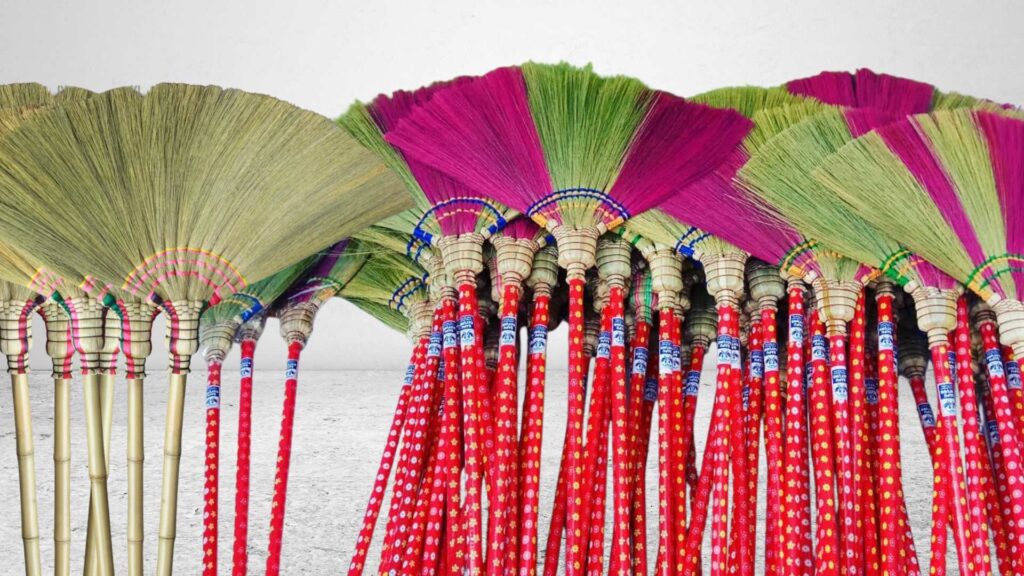
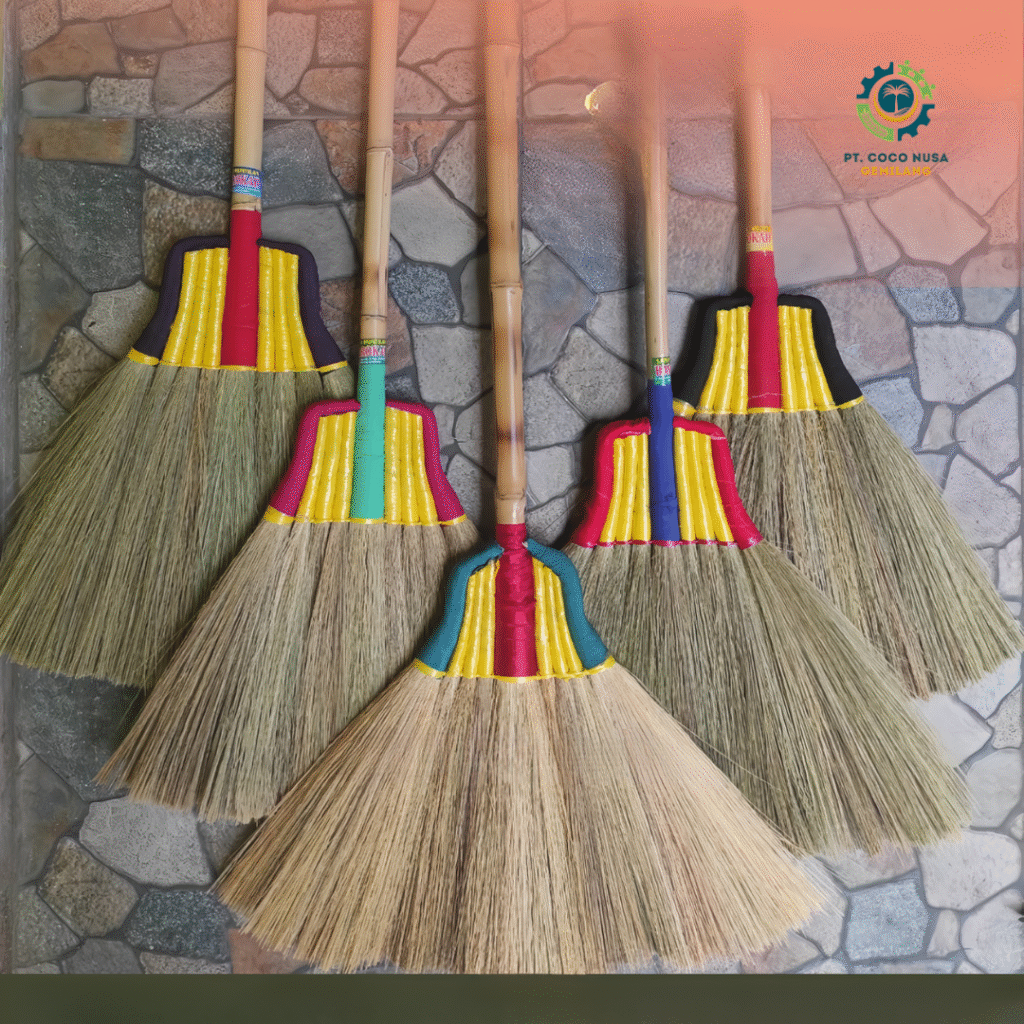
Among the top Indonesian producers, Coco Nusa Gemilang represents the intersection of tradition, quality, and global vision. The company specializes in manufacturing and exporting handmade broom grass crafted by local artisans who have honed their skills through generations.
Each broom produced by Coco Nusa Gemilang embodies the company’s dedication to sustainability. The entire process — from selecting raw grass to binding, trimming, and finishing — is performed by hand. This hands-on approach not only preserves cultural craftsmanship but also ensures meticulous attention to every detail.
Moreover, Coco Nusa Gemilang adheres to environmentally responsible production practices. The company prioritizes natural drying methods, minimal chemical use, and recyclable packaging. Their commitment to sustainability extends beyond products to encompass community welfare. By collaborating with rural artisans, they help create stable employment opportunities while empowering local economies.
The result is a collection of handmade brooms that are both functional and ethically produced — appealing to importers who value authenticity and ecological integrity.
Why Importers Choose Handmade Over Machine-Made
Transitioning from machine-made products to handmade alternatives might seem unconventional in today’s industrial age. However, importers recognize that handmade broom grass offers a story — something no machine can replicate.
Each handmade broom reflects hours of skilled labor, cultural identity, and artistic precision. For consumers in Europe and other developed markets, these elements add emotional and ethical value. Buyers are not just purchasing a cleaning tool; they are investing in a craft that supports sustainability and human creativity.
In addition, handmade brooms tend to last longer because artisans adjust their techniques based on fiber texture and density. This adaptability ensures durability that mass production often overlooks.
Importers who prioritize quality over quantity find handmade broom grass products to be an excellent fit for premium eco-friendly product lines.
The Supply Chain: From Indonesian Villages to Global Warehouses
Behind every shipment of broom grass lies a structured yet human-centered supply chain. It begins with local farmers who harvest the grass manually. They dry and clean the fibers under the tropical sun before selling them to local cooperatives or manufacturers.
Manufacturers like Coco Nusa Gemilang then sort, bundle, and craft the fibers into finished brooms. Every stage is monitored to maintain consistent quality and minimize waste. Once completed, the brooms are packaged carefully to withstand humidity and transport.
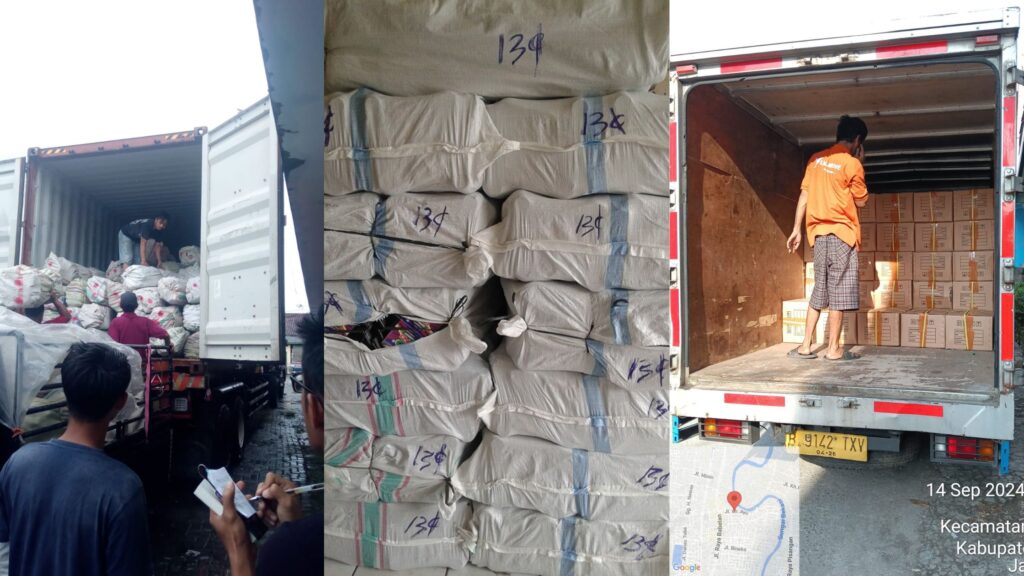
From the manufacturer’s warehouse, goods are loaded into containers and shipped through Indonesia’s main export ports — such as Tanjung Emas in Semarang or Tanjung Perak in Surabaya. Upon arrival at international destinations, importers conduct quality checks before distributing the products to wholesalers or retailers.
This process demonstrates an interconnected system where traditional craftsmanship and modern logistics coexist harmoniously.
Opportunities and Challenges for Broom Grass Importers
While the market is promising, challenges remain. Importers face fluctuating shipping costs, exchange rate volatility, and occasional raw material shortages caused by seasonal changes. Maintaining communication with reliable suppliers is crucial to navigating these challenges.
Fortunately, the opportunities far outweigh the risks. The growing global shift toward sustainable living continues to fuel demand for eco-friendly household products. Consumers now look beyond aesthetics; they want products that are kind to the planet.
Furthermore, the rise of online retail and e-commerce platforms has simplified access to global handmade goods. Importers can now connect directly with trusted Indonesian manufacturers, review certifications, and place orders with transparency and confidence.
Companies such as Coco Nusa Gemilang make this process even smoother by maintaining open communication channels, transparent pricing, and consistent product updates.
Sustainability and the Future of Broom Grass Exports
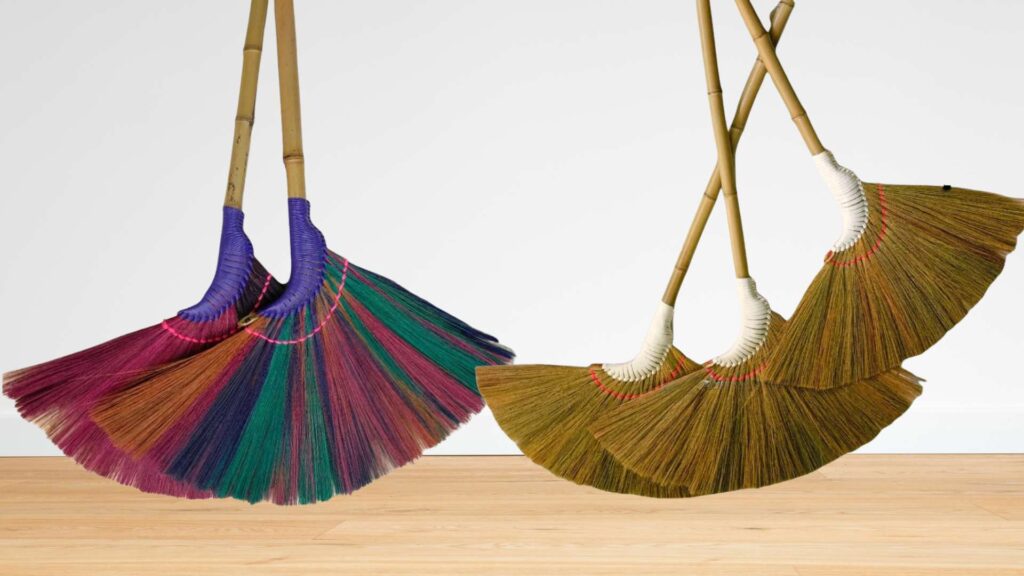
Sustainability is no longer a marketing slogan — it is a business necessity. The future of broom grass exports from Indonesia depends on maintaining environmentally responsible practices and promoting traceable supply chains.
Coco Nusa Gemilang, for example, takes this responsibility seriously. The company actively engages in sustainable sourcing, ensuring that every batch of grass harvested does not damage local ecosystems. They train farmers in replanting and soil regeneration techniques to maintain ecological balance.
Additionally, the company’s eco-conscious packaging and minimal waste policy align with the global movement toward a circular economy. For importers, partnering with such a responsible manufacturer adds significant value to their brand reputation.
As the world continues to transition toward green alternatives, sustainable broom grass products are set to become a staple in international markets.
Read Also : Palm Broom Stick in Indonesia: Craftsmanship, Sustainability, and Global Opportunity
The European Connection: Quality, Compliance, and Collaboration
Europe remains one of the most lucrative destinations for Indonesian broom grass exports. Buyers from countries like France, Italy, and the United Kingdom consistently seek natural cleaning products that meet strict environmental standards.
Coco Nusa Gemilang, being ready to supply exports to Europe, ensures compliance with international regulations. This includes adherence to the European Union’s standards for biodegradable materials and ethical labor practices.
More importantly, the company views its relationships with importers as partnerships rather than mere transactions. Through collaboration, they adapt designs, improve packaging, and meet evolving market preferences.
Such synergy between importer and manufacturer strengthens the entire supply chain — turning what was once a small-scale traditional craft into a globally recognized commodity.
Toward a More Ethical and Connected Future
The success of broom grass exportation is not merely about trade; it is about connecting cultures. Every broom that leaves Indonesia carries a story — one of tradition, perseverance, and craftsmanship. Importers who recognize this story play an essential role in sustaining these values.
By choosing handmade brooms from ethical producers, they help preserve cultural heritage while contributing to global sustainability goals. This ethical consciousness not only benefits the planet but also enriches brand identity and consumer trust.
Coco Nusa Gemilang continues to lead this movement by combining traditional expertise with forward-looking sustainability strategies. Their vision extends beyond profit; it centers on long-term ecological and social impact.
Conclusion
The world of broom grass importers in Indonesia illustrates how simple, everyday objects can embody larger global values — sustainability, ethics, and craftsmanship. As importers expand their reach, they discover that Indonesian broom grass offers not only functionality but also authenticity.
Through dedicated manufacturers such as Coco Nusa Gemilang, Indonesia’s broom industry bridges the gap between rural artisans and international consumers. Every handmade broom becomes a statement of care — for quality, for the environment, and for human hands that craft with purpose.
The market’s future looks bright, driven by the shared vision of producers and importers who believe that sustainability begins with small, meaningful choices. In this way, broom grass — a humble product of nature — continues to sweep the world not only with efficiency but also with conscience.