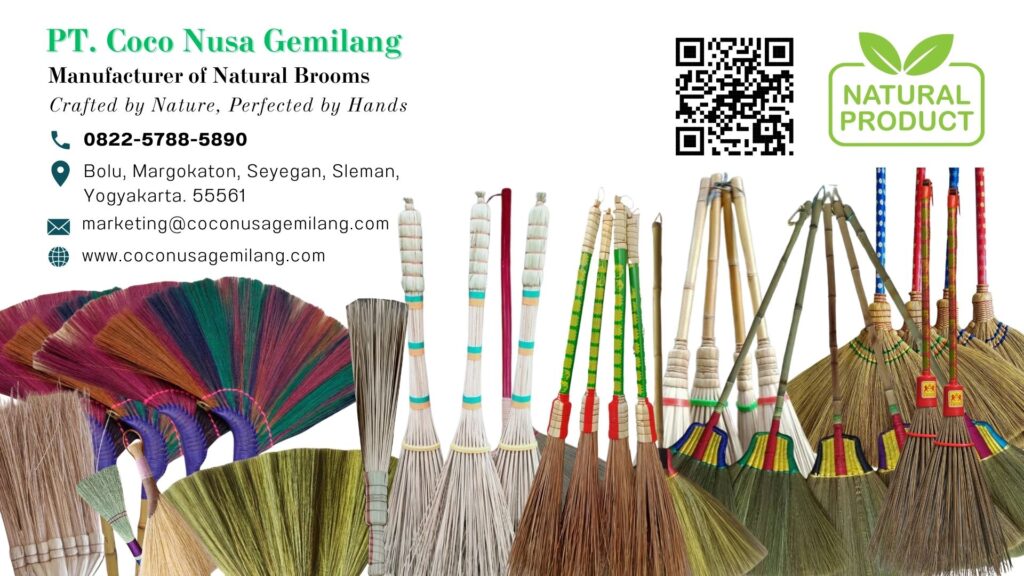
The Enduring Symbol of Handcrafted Utility
Among the many tools that bridge the gap between human labor and domestic necessity, the skirted broom holds a distinct place. Its design, functional yet graceful, captures the essence of craft and culture. For centuries, the broom has been more than an instrument for cleaning; it has been a symbol of order, ritual, and craftsmanship. In its skirted form, this tool demonstrates how practical design can meet aesthetic refinement.
The skirted broom differs from common varieties by its layered, skirt-like structure. This feature is not merely decorative. The additional fibers expand the sweeping surface, allowing more efficient dust and debris collection. Each strand of the broom’s “skirt” moves flexibly yet cohesively, guided by the rhythm of the hand that wields it. The result is a cleaning tool that performs gracefully, with minimal effort and maximum reach.
Cultural Roots and Material Diversity
The history of skirted brooms traces back to agrarian societies, where resourcefulness turned agricultural byproducts into household implements. Farmers often used dried grasses, sorghum stalks, coconut fibers, or palm leaves to craft durable cleaning tools. The skirted broom evolved from this tradition, embodying the principle of transforming natural materials into something enduring and useful.
In Asia, Africa, and parts of South America, the making of brooms remains deeply tied to local identity. Each region employs its own plant fibers — rice straw in Japan, palm leaf sticks in Indonesia, sorghum in India, and coconut midribs in the Philippines. The skirted broom often emerges from these same materials, yet its layered construction gives it a distinctive silhouette. The additional skirts, usually bound with natural rattan or thread, create both visual appeal and technical superiority.
Functionality Meets Form
The defining characteristic of a skirted broom is its layered skirt, which enhances both reach and resilience. While ordinary brooms tend to flatten with use, the skirted broom maintains its shape longer because its layers distribute friction evenly. The skirt acts as a shock absorber, softening the contact with the floor and protecting the main body from wear.
Another crucial advantage lies in dust control. The overlapping skirts trap fine particles that typical flat brooms tend to scatter. This makes skirted brooms particularly effective on textured or uneven surfaces such as terracotta, stone, or woven mats. They glide smoothly yet capture even the smallest crumbs.
Beyond efficiency, the broom’s aesthetic cannot be ignored. In many cultures, the skirted broom symbolizes domestic care and craftsmanship. Its organic lines and handcrafted texture offer warmth and authenticity — qualities increasingly rare in a mass-produced world.
Sustainability and Eco-Conscious Craft
One reason for the growing global interest in skirted brooms is their sustainability. Unlike plastic cleaning tools that contribute to microplastic pollution, skirted brooms are entirely biodegradable. Their materials — natural fibers, bamboo, rattan, or coconut wood — return harmlessly to the earth.
The craft of broom making also supports rural economies. In countries like Indonesia, Thailand, and Vietnam, broom artisans rely on locally sourced raw materials. They transform agricultural residue into export-worthy goods, sustaining both tradition and income. This decentralized production model reduces carbon footprints, as materials are sourced near workshops rather than imported.
In the age of eco-friendly living, the skirted broom aligns with modern values without abandoning traditional wisdom. It demonstrates that sustainability and beauty can coexist in simple tools.
The Asian Broom: Tradition, Craftsmanship, and Sustainability
Design Evolution and Modern Adaptations
As demand for natural cleaning products grows, manufacturers have reimagined the skirted broom for global markets. Some integrate ergonomic wooden handles or add subtle color accents using vegetable-based dyes. Others pair traditional fibers with minimalist branding suitable for contemporary interiors.
Despite these innovations, the essence remains unchanged. The skirted broom’s layered structure continues to deliver superior performance compared to synthetic alternatives. Its broad sweeping motion requires fewer strokes, saving time and reducing strain on the user’s wrists and shoulders.
In professional cleaning settings — from boutique hotels to eco-resorts — skirted brooms are being rediscovered as symbols of authenticity. Their quiet operation, tactile comfort, and natural fragrance contrast with the sterile feel of plastic mops or vacuum cleaners.
The Handcraft Process
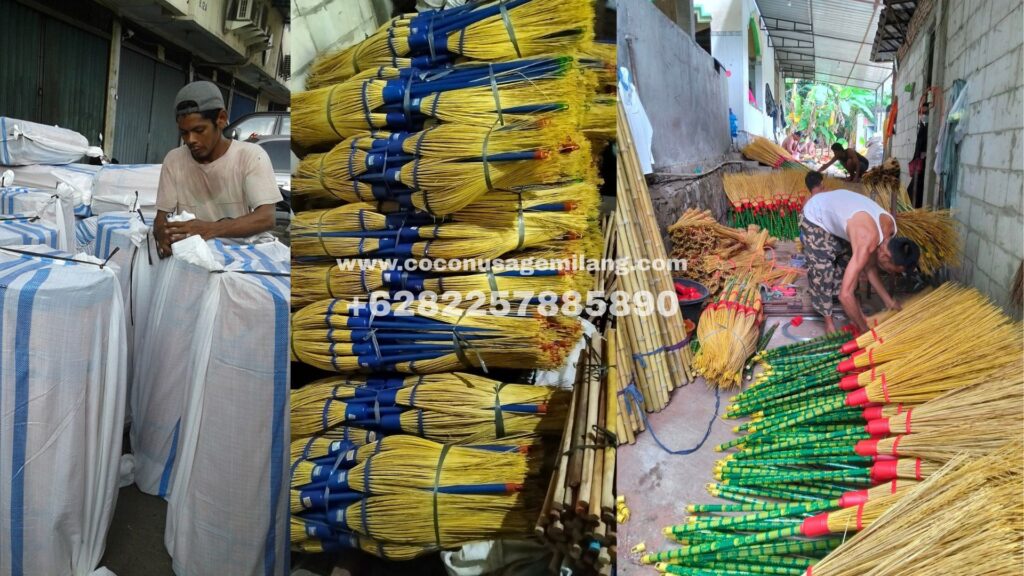
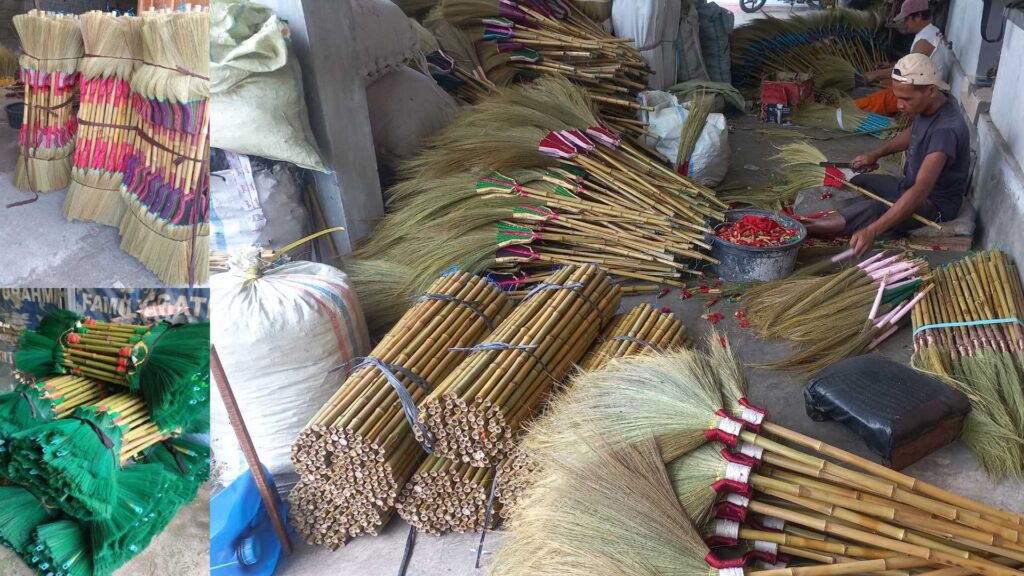
The making of a skirted broom demands patience, precision, and understanding of materials. Craftsmen begin by sorting natural fibers according to length, flexibility, and color. These fibers are then dried under sunlight to prevent mold and ensure even texture.
Once dried, the base layer is arranged and tightly bound with rattan or thread. Subsequent skirts are added one by one, each slightly offset to create fullness and strength. The handle — usually bamboo or wooden stick — is inserted and secured, completing the structural core.
A final trimming stage gives the broom its uniform edge. The craftsman may burnish the handle lightly with oil or varnish for durability. The entire process can take several hours, but the result is a piece that combines practicality with artistry. Every broom tells a story of human touch, skill, and care.
Global Market Trends
The global demand for natural cleaning tools has risen steadily, fueled by the eco-conscious movement and a preference for artisanal goods. Europe and North America have seen a resurgence of interest in handmade home essentials. Consumers are drawn to products that embody authenticity and durability, rather than disposable convenience.
Within this trend, skirted brooms occupy a niche that blends functionality with design appeal. Boutique homeware stores and online retailers highlight them as “eco-luxury cleaning tools.” Their natural fibers, earthy tones, and sculptural form appeal to customers seeking both sustainability and style.
Export data from Southeast Asia shows growing shipments of handmade brooms to Europe, particularly to Germany, France, and the Netherlands. These markets value not only the eco-aspect but also the narrative behind the craft — stories of rural artisans, sustainable sourcing, and fair trade.
Economics of Craft and Value
While industrial production can flood markets with cheap synthetic brooms, handcrafted skirted brooms occupy a different economic space. They are valued for quality, not quantity. The pricing reflects fair wages for artisans and the effort involved in hand assembly. Yet, when compared with long-term durability and eco-benefits, their cost proves remarkably reasonable.
In export contexts, pricing often varies between USD 0.9 to 2 per piece, depending on volume, material type, and finishing. Buyers who source directly from manufacturers benefit from flexible pricing structures and customized packaging. The economics favor sustainable trade relationships rather than one-off transactions.
Skirted Brooms in Interior and Lifestyle Design
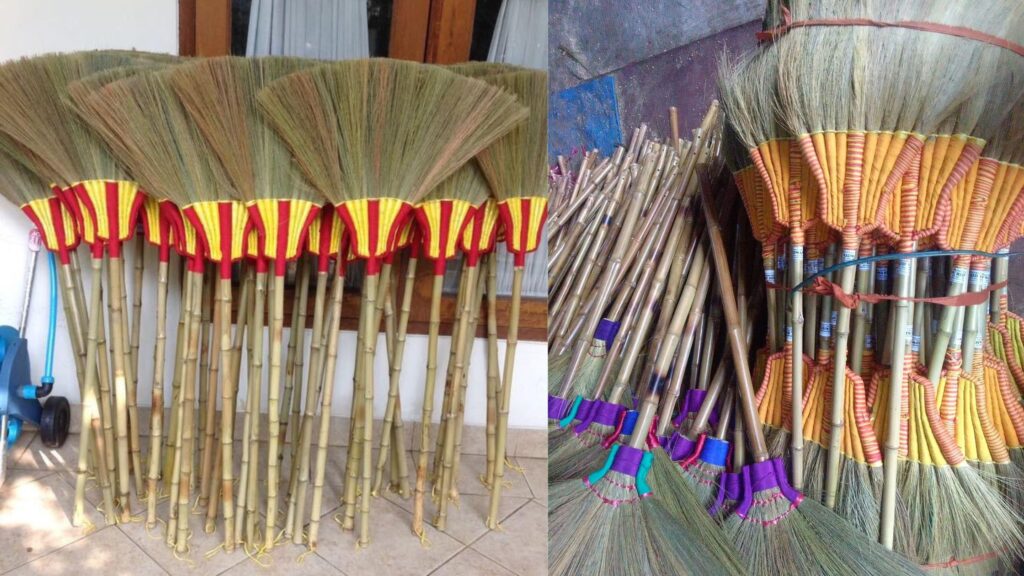
Interestingly, skirted brooms have found their way beyond cleaning aisles into interior styling and decor. Designers use them as decorative elements in rustic or tropical settings. Their handcrafted texture and natural color palettes bring warmth to minimalist spaces. Some hotels and cafes display them intentionally — a nod to local craftsmanship and sustainability values.
This merging of utility and aesthetics exemplifies a broader cultural shift. People no longer see cleaning tools as purely functional; they appreciate them as symbols of conscious living. A skirted broom hanging on the wall can express respect for nature, tradition, and artisanal heritage.
The Resurgence of Handcraft in the Modern World
In an age dominated by machines, handcrafted items like the skirted broom serve as reminders of humanity’s tactile relationship with material. The rhythmic motion of binding, trimming, and assembling connects the maker to centuries of tradition. Each broom represents hours of human attention — an increasingly rare commodity.
Furthermore, supporting handcrafted industries has social benefits. It sustains village economies, empowers women artisans, and preserves intangible cultural heritage. Every purchase becomes a small act of preservation, ensuring that traditional techniques survive in a digital era.
Challenges and the Path Forward
Despite its appeal, the handcrafted broom industry faces real challenges. Competition from mass-produced plastic products remains intense. Synthetic brooms are cheaper upfront and heavily marketed. However, their environmental cost is becoming more visible, creating space for a conscious alternative.
Logistics and trade barriers can also limit smaller manufacturers’ access to international markets. Ensuring consistent quality, export documentation, and timely delivery requires coordination and investment. Manufacturers who bridge traditional skills with professional export management are best positioned to succeed.
Coco Nusa Gemilang: Craftsmanship from Indonesia
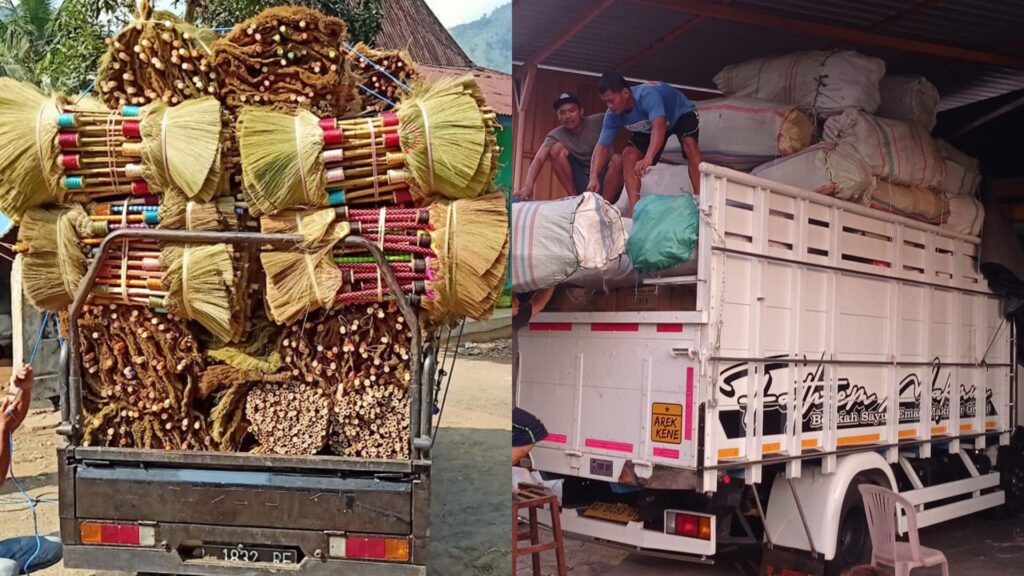

Among such manufacturers, Coco Nusa Gemilang, based in Yogyakarta, Indonesia, has emerged as a dedicated producer of skirted brooms and other natural handcrafted cleaning tools. The company integrates local craftsmanship with international quality standards, ensuring that every broom reflects precision, strength, and artistry.
Coco Nusa Gemilang works closely with village workshops, empowering rural artisans and maintaining environmentally responsible sourcing. Their skirted brooms are made from premium natural fibers — coconut leaf sticks, sorghum grass, and palm materials — carefully dried and bound by hand. Each piece represents not only functional excellence but also cultural authenticity.
The company is ready to supply exports to Europe and other regions. Prices range from USD 0.9 to 2 per piece (FOB Port Semarang, Indonesia), depending on order volume and customization. This competitive structure allows importers and distributors to adapt purchases to their market scale, whether for retail stores, eco-brands, or hotel suppliers.
Affordable Quality and Reliable Partnership
Beyond pricing, Coco Nusa Gemilang distinguishes itself through consistency and transparent trade ethics. The company balances affordability with high craftsmanship, offering a best-handcraft product line designed for durability and aesthetics. Its production capacity and logistics partnerships ensure smooth export procedures, from documentation to container shipment.
For European buyers seeking sustainable yet affordable cleaning tools, Coco Nusa Gemilang provides a trusted source. Their skirted brooms are built for both utility and elegance, aligning with modern eco-values while maintaining traditional roots. This combination has earned them growing recognition in the handcrafted goods sector.
The Future of Handcrafted Cleaning Tools
The future of the skirted broom industry depends on both innovation and preservation. Companies like Coco Nusa Gemilang are leading examples of how tradition can evolve to meet global demand. By integrating modern export systems, design refinements, and sustainable practices, they demonstrate that heritage crafts can thrive in international trade.
In a world increasingly aware of environmental consequences, choosing a natural, handmade broom is more than a purchase — it’s a statement of intention. It reflects a preference for longevity over disposability, for skill over automation, and for authenticity over imitation. The skirted broom, humble yet enduring, continues to sweep not only floors but also the boundaries between culture, craft, and commerce.