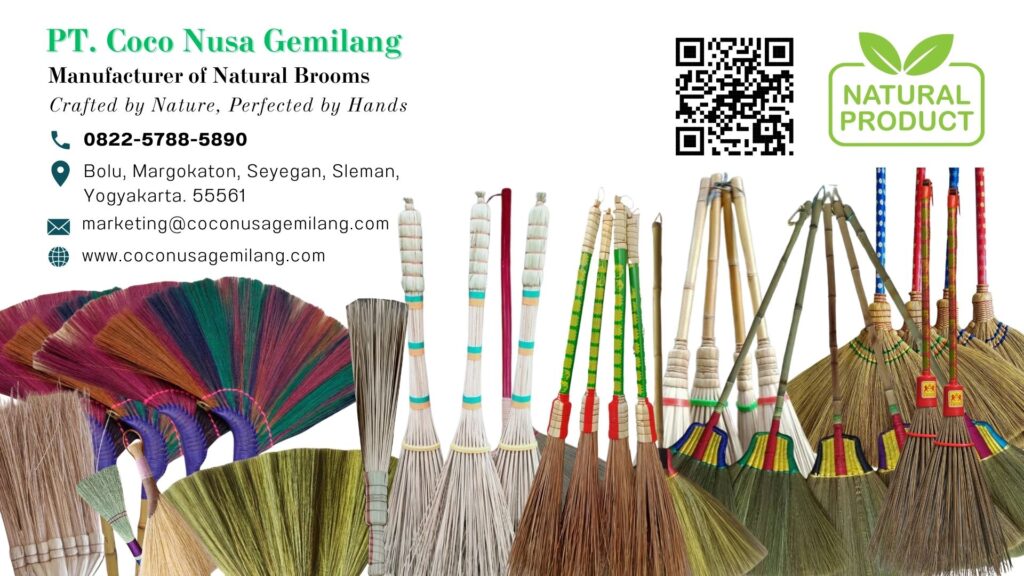

Few everyday objects hold such quiet authority as the broom. It is one of humanity’s oldest tools — humble yet indispensable, simple yet sophisticated in design. Behind every finely made broom lies a network of specialized materials, refined craftsmanship, and an understanding of balance, friction, and form. The world of broom making supplies is a fascinating intersection of tradition, science, and sustainable industry.
1. The Enduring Legacy of Broom Crafting
The broom’s history spans centuries and cultures. Ancient civilizations swept their floors with bundled twigs, reeds, or grasses, bound tightly to a wooden handle. Over time, this utilitarian object evolved into a symbol of cleanliness, domestic order, and even cultural ritual. Despite the rise of modern cleaning machines, the broom endures — not merely as a tool, but as an art form rooted in craftsmanship and ecological awareness.
Today’s broom makers draw from both traditional methods and modern supply chains. They source natural fibers, wooden handles, binding wires, and adhesives with precision, balancing aesthetics with functionality. The right combination of materials determines not just the broom’s durability but also its weight, balance, and sweeping efficiency.
2. Essential Components of a Quality Broom
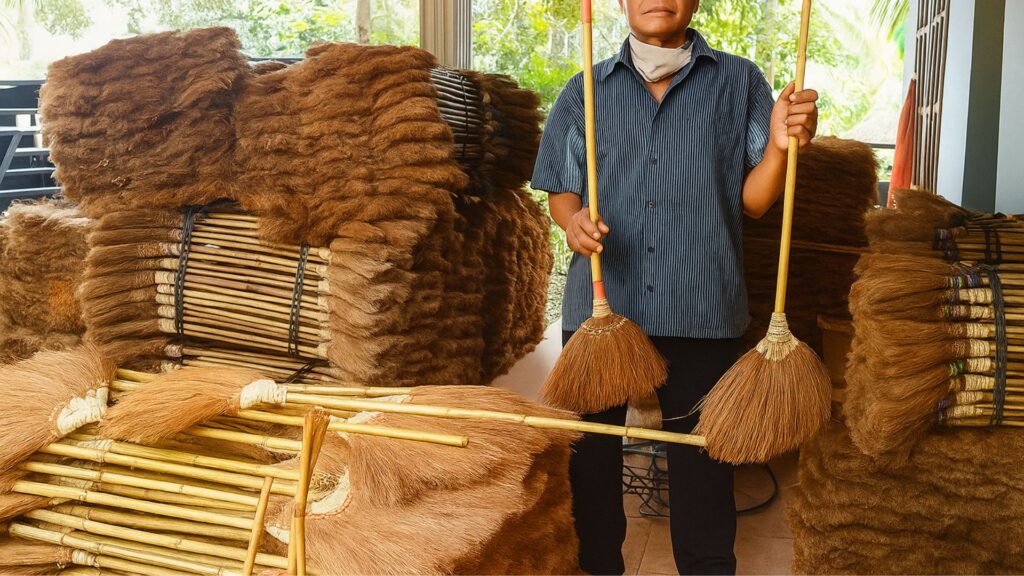
Broom making depends on the interplay of several key materials. Each element — from the bristle to the binding — contributes to the broom’s overall performance. Let’s examine these core supplies more closely.
a. Natural Fibers and Bristles
At the heart of every broom lies its sweeping medium. Natural fibers remain the most sought-after material for artisanal and professional broom makers. Common options include grass, coconut fiber, sorghum, and palm sticks. Each offers distinct properties.
- Grass broom fibers (often from Thysanolaena maxima or “broom grass”) produce a soft, flexible sweep ideal for indoor use. They trap dust without scattering it.
- Coconut fiber, derived from the husk of mature coconuts, is stiff and water-resistant. This makes it suitable for outdoor cleaning or rough surfaces.
- Sorghum fibers create a balance between rigidity and flexibility, giving rise to the traditional “corn broom,” which remains a favorite in many Western markets.
- Palm or rattan sticks provide a more rustic aesthetic and are prized for hand-woven, decorative brooms.
These natural materials outperform synthetics in several ways. They are biodegradable, renewable, and provide tactile satisfaction. However, consistent quality requires careful sourcing and drying processes, as moisture and fiber thickness greatly influence the final product.
b. Handles and Sticks
The broomstick determines ergonomics and strength. Hardwood, bamboo, and polished pine are frequently used for durability. The best handles balance lightweight ease with resistance to bending or cracking. For export-grade products, the finishing — such as sanding, lacquering, or varnishing — enhances both appearance and lifespan.
In some regions, bamboo handles are gaining attention for their sustainability. Bamboo regenerates quickly and offers a naturally anti-bacterial surface. When properly treated, it rivals hardwood in toughness.
c. Binding Materials
Binding is where craftsmanship meets precision. Traditional broom makers once relied solely on natural twine or rattan strips to hold fibers together. Modern manufacturing introduces galvanized wire, nylon thread, or metal clamps to secure the fibers more tightly and uniformly. The choice of binding material affects the broom’s shape retention and aesthetic finish. A poorly bound broom sheds fibers prematurely, while a well-bound one retains its integrity even after hundreds of uses.
d. Adhesives and Finishing Supplies
Though not always visible, adhesives play a subtle but essential role. Natural glues or modern, low-toxicity resins reinforce binding points, ensuring the head remains stable. Some high-end broom makers add a thin layer of natural oil or wax finish to protect the bristles and enhance water resistance.
e. Packaging and Export Supplies
For global trade, packaging materials are part of the supply chain. Export-ready broom makers use poly wrap, cardboard bundles, or woven sacks for transport efficiency. Labels, tags, and product codes must meet international import standards. Proper packaging preserves fiber alignment and prevents deformation during shipping — a critical concern for exporters to Europe and the Middle East.
3. Sourcing: The Global Trade of Natural Broom Materials
The demand for broom making supplies reflects a surprisingly large global market. Rural cooperatives in Asia, Latin America, and parts of Africa supply millions of tons of broom fibers annually. Indonesia, the Philippines, India, and Vietnam are leading exporters of broom grass and coconut fibers, while Eastern Europe and North America dominate the hardwood handle market.
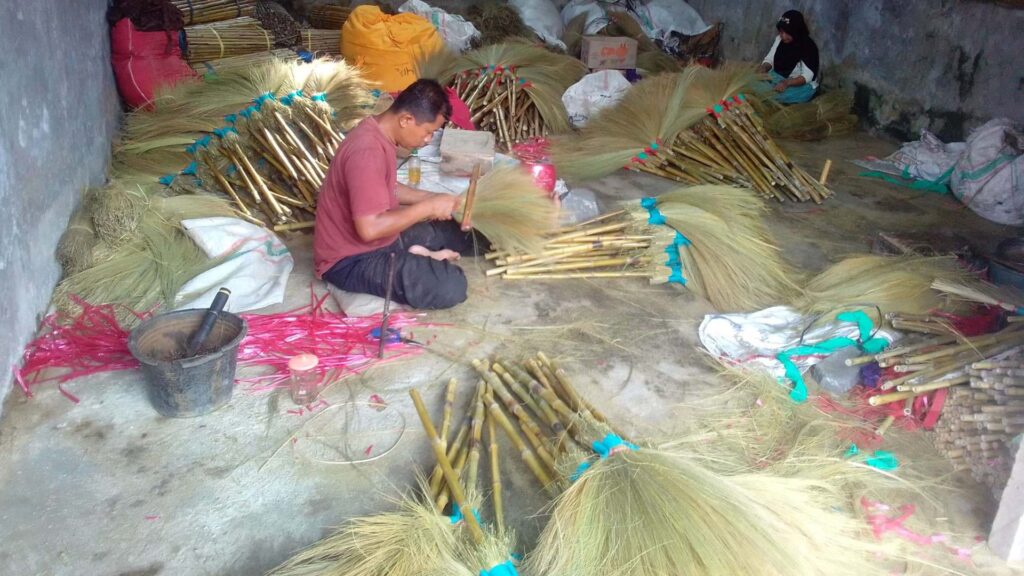
This supply network is intricate. Farmers harvest broom grass or coconut husks, dry them under the sun, and bundle them for export. Middle-scale workshops then sort and grade fibers by length and color. The highest quality fibers — evenly sized, golden in hue, and free from splits — are reserved for premium brooms destined for export.
In this trade, sustainability is a growing priority. Ethical broom makers ensure that raw materials come from renewable or agricultural byproducts, reducing environmental impact. Eco-certifications and fair-trade labeling now add commercial value and attract conscious buyers.
4. Tools and Equipment for Broom Making

Beyond raw materials, effective broom production depends on specialized equipment. Even traditional hand-crafting involves a sequence of precise steps that require proper tools.
a. Cutting and Trimming Tools
Sharp knives, machetes, or mechanical cutters shape fibers to uniform lengths. For scaled production, rotary trimmers ensure precision and speed without damaging delicate fibers.
b. Stitching and Binding Equipment
Hand-crafted brooms rely on skilled artisans who manually stitch fibers into a fan shape. Larger factories use sewing machines customized for broom heads. These machines apply wire or nylon stitching patterns that replicate the traditional handmade appearance while ensuring uniform density.
c. Handle Assembly Devices
Mechanical presses or drilling jigs attach handles to broom heads. A secure connection is vital — especially for export brooms that undergo temperature changes during shipment.
d. Finishing Tools
Sanders, varnish sprayers, and fiber combers refine the product. The finishing stage transforms raw materials into professional cleaning tools that meet modern aesthetic standards.
e. Quality Control Instruments
Consistency determines export viability. Producers employ moisture meters, tension testers, and weighing scales to meet buyer specifications. Quality assurance ensures that every broom in a shipment meets the same tactile and visual standards.
5. The Sustainability of Natural Broom Supplies
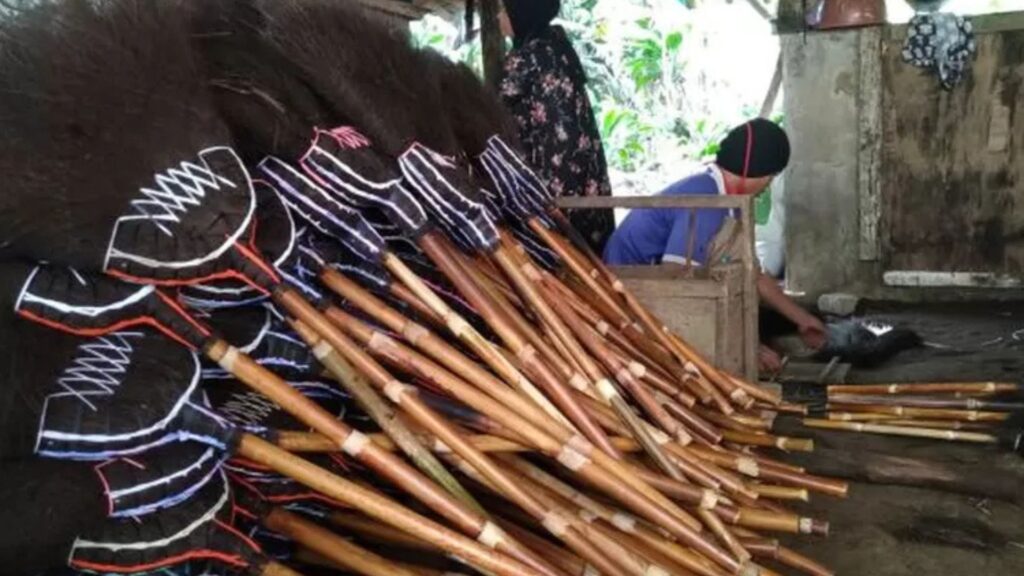
In an age dominated by synthetic plastics, natural broom materials stand out as an environmental success story. Grass, coconut fiber, and sorghum are all renewable and biodegradable. They generate income for rural communities and minimize plastic waste in global markets.
Moreover, the environmental footprint of broom making is relatively low. Sun drying requires no fossil fuel, and manual assembly consumes minimal electricity. By contrast, synthetic broom production depends on petroleum-derived polymers and energy-intensive molding processes.
For eco-conscious consumers, the appeal of natural brooms lies in both aesthetics and ethics. The subtle irregularities in texture and tone reflect authenticity. Each broom tells a story — of soil, climate, and human hands. When marketed well, such stories elevate a simple cleaning tool into a lifestyle product.
6. Regional Variations and Design Innovations
Broom design reflects local tradition and practical need. In Southeast Asia, the fan-shaped grass broom dominates urban households. In Japan, hand-woven brooms known as houki emphasize symmetry and meditative craftsmanship.
Innovation continues within this traditional industry. Some artisans integrate recycled plastic threads with natural fibers to increase lifespan without compromising aesthetics. Others experiment with ergonomic handles, lighter bindings, or decorative wrapping for retail appeal.
Furthermore, the rise of e-commerce and international trade has created new market dynamics. Exporters now tailor broom designs to specific regions. For example, European buyers may request thicker bristles and darker tones, while Middle Eastern buyers favor longer handles for outdoor sweeping.
7. Economic and Cultural Dimensions of Broom Making
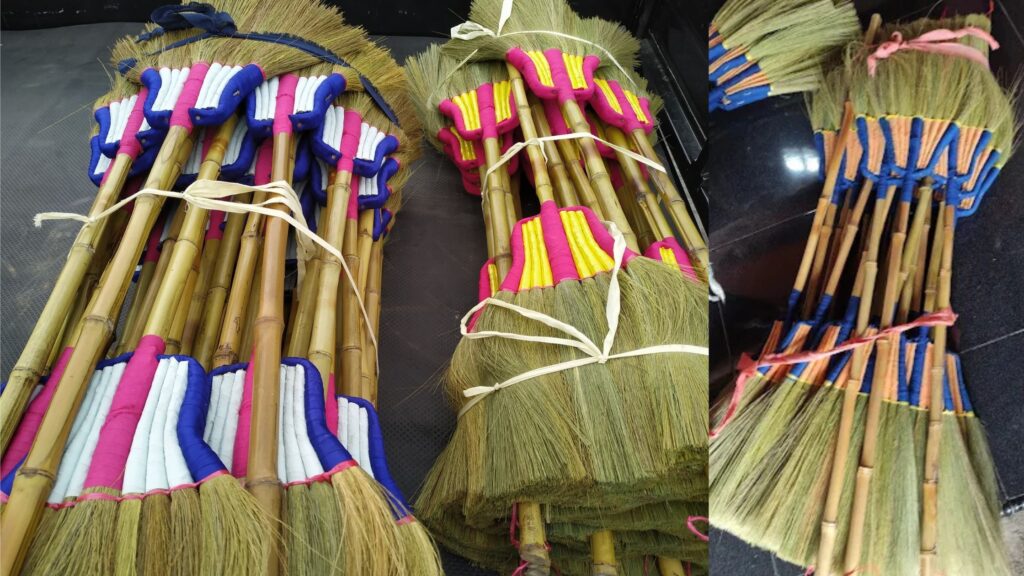
Broom production is more than a craft; it is an economic lifeline for many rural communities. In Indonesia, India, and Vietnam, thousands of families depend on broom fiber cultivation and weaving as a steady source of income. The supply chain also empowers women artisans, who often manage small workshop cooperatives.
At a cultural level, brooms occupy symbolic roles. In many Asian households, sweeping rituals mark the start of the new year, symbolizing the clearing of misfortune. Artisans take pride in their craft, viewing it as both labor and heritage. Maintaining this balance between commerce and tradition ensures the sustainability of the broom industry in a rapidly modernizing world.
8. Export Opportunities and Market Trends
Global demand for eco-friendly cleaning tools continues to grow. Consumers, particularly in Europe and North America, are turning away from plastic household goods. Retailers now feature “natural homeware” sections, where handcrafted brooms command premium prices. As a result, broom making supplies — especially natural fibers — are in higher demand than ever.
Exporters who emphasize traceability, fair wages, and environmental responsibility gain a competitive edge. Moreover, advancements in logistics and digital marketing enable small-scale manufacturers to reach international buyers directly. Participation in trade fairs, online marketplaces, and sustainable product directories further enhances visibility.
When Craft Meets Purpose: The Skirted Broom and the Future of Cleaning
9. Coco Nusa Gemilang: Supplying the World with Natural Broom Materials
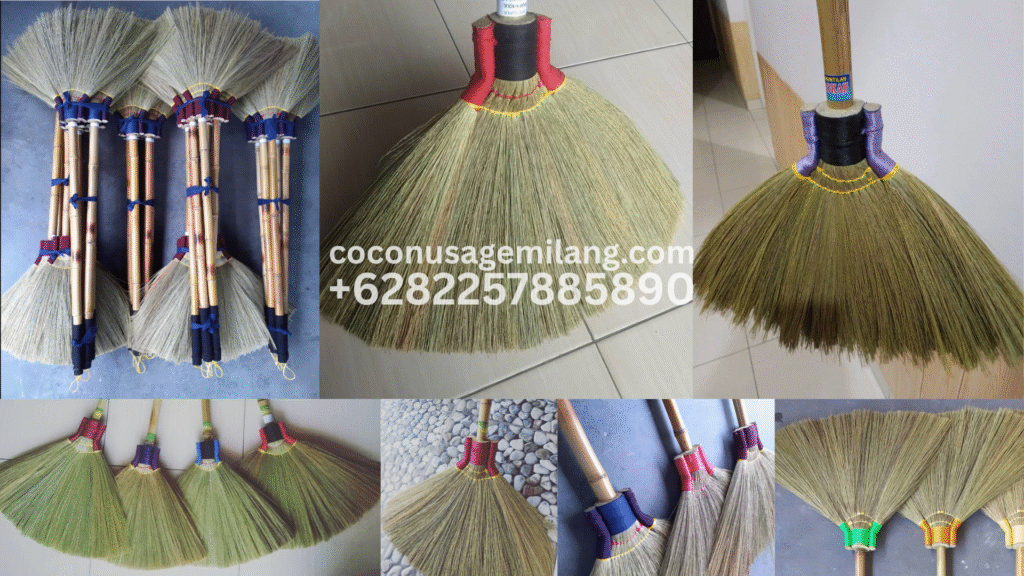
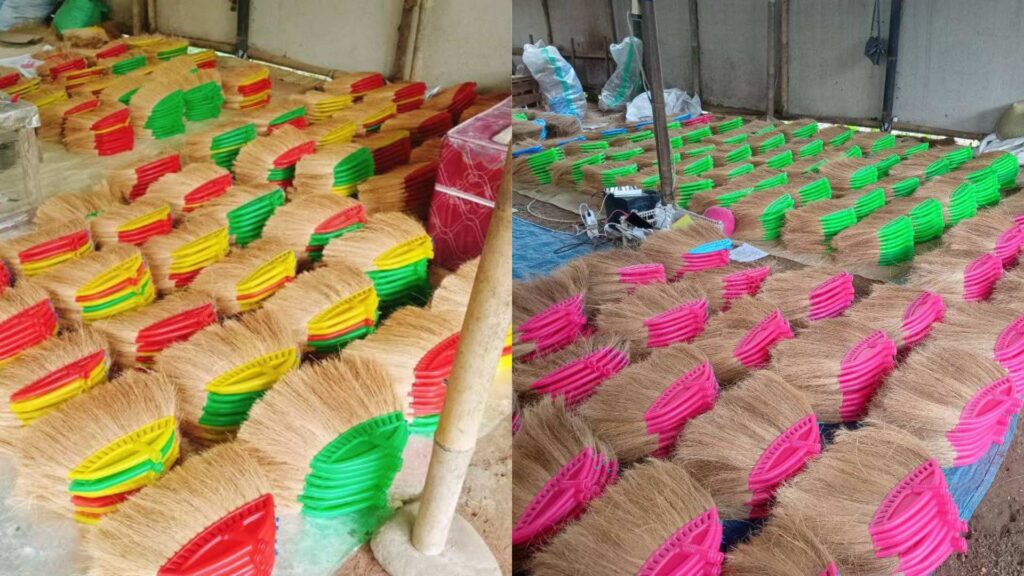
Among Indonesia’s leading broom producers, Coco Nusa Gemilang stands out as a reliable supplier of natural broom making materials and finished products. Based in Yogyakarta, the company specializes in grass brooms, coconut leaf stick brooms, coir brooms, and sorghum brooms, each crafted under strict quality control. Its production lines combine traditional techniques with export-grade finishing, resulting in products that meet both functional and aesthetic standards.
With years of experience serving both domestic and international markets, Coco Nusa Gemilang understands the precise requirements of professional buyers. The company maintains consistency in fiber grading, handle treatment, and binding standards — ensuring every shipment reflects Indonesian craftsmanship at its finest. Its supply capability allows steady delivery to Europe, Asia, and the Middle East.
Coco Nusa Gemilang positions itself not only as a manufacturer but also as a broom making supplies provider ready for export. The company offers materials at competitive prices, starting from USD 0.9 to 2.0 per piece (FOB Port Semarang, Indonesia), depending on volume and specifications. For wholesalers or distributors seeking sustainable and authentic cleaning tools, this pricing structure provides both affordability and scalability. Whether the order involves raw broom grass bundles or fully assembled handmade brooms, Coco Nusa Gemilang ensures professional handling, consistent packing, and export documentation that meets international standards.
As a brand built on integrity and innovation, Coco Nusa Gemilang continues to promote Indonesian handicraft excellence across global markets. Its focus on eco-friendly production, quality assurance, and partnership-based collaboration positions it among the most trusted names in the natural broom supply chain. For importers and retailers aiming to expand their eco-product portfolios, Coco Nusa Gemilang represents the best of both tradition and modern trade — the best handcrafted and best cleaning tools designed for a cleaner, more sustainable world.
10. The Future of Broom Making Supplies

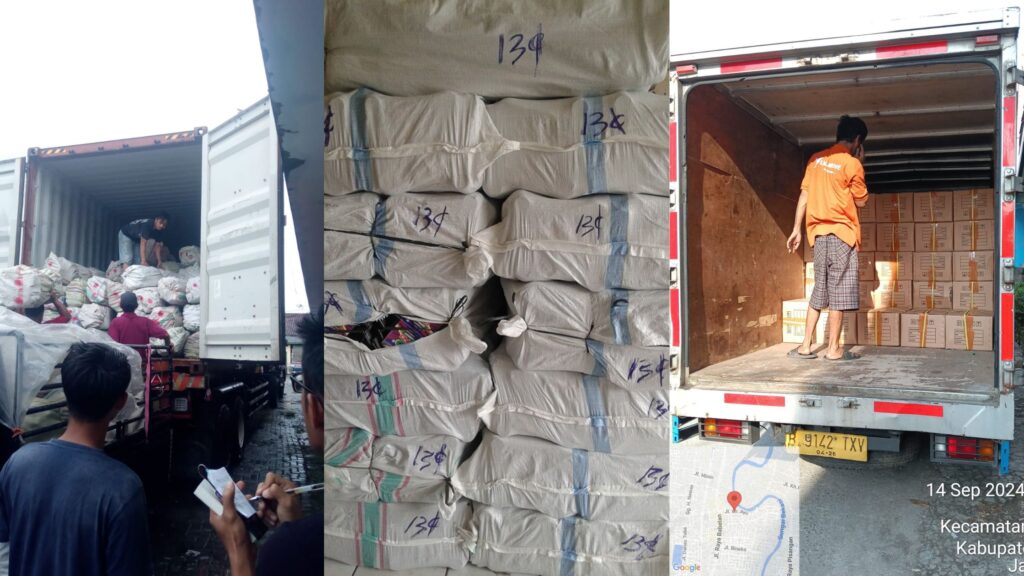
Looking ahead, the broom industry will likely evolve along two major directions: sustainability and customization. Manufacturers that embrace green sourcing, ethical labor practices, and adaptable designs will thrive. Automation may streamline certain steps, but the human element — the artisan’s hand that aligns fibers or binds the head — will remain irreplaceable.
Consumer expectations are also shifting. Buyers no longer view a broom as a disposable commodity but as a symbol of conscious living. Design-driven, ethically made cleaning tools fit perfectly within this modern narrative. For producers and suppliers, the challenge lies in balancing cost efficiency with craftsmanship — a task that demands innovation and vision.
Final Reflection
From the simplest twig bundle to the sophisticated export-grade broom, this tool remains a testament to human ingenuity. It connects agriculture, craftsmanship, and trade in a single stroke. The industry of broom making supplies may seem modest, but it embodies values that modern society increasingly cherishes — sustainability, utility, and authenticity.
And as global awareness grows, companies like Coco Nusa Gemilang ensure that the humble broom continues to sweep across generations — not merely cleaning floors, but also building bridges between tradition and progress.