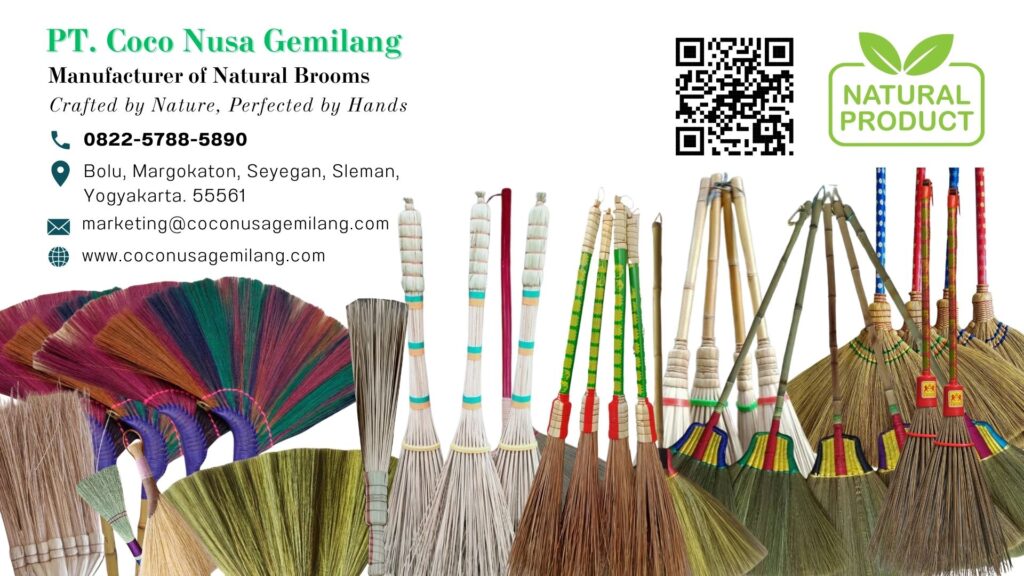

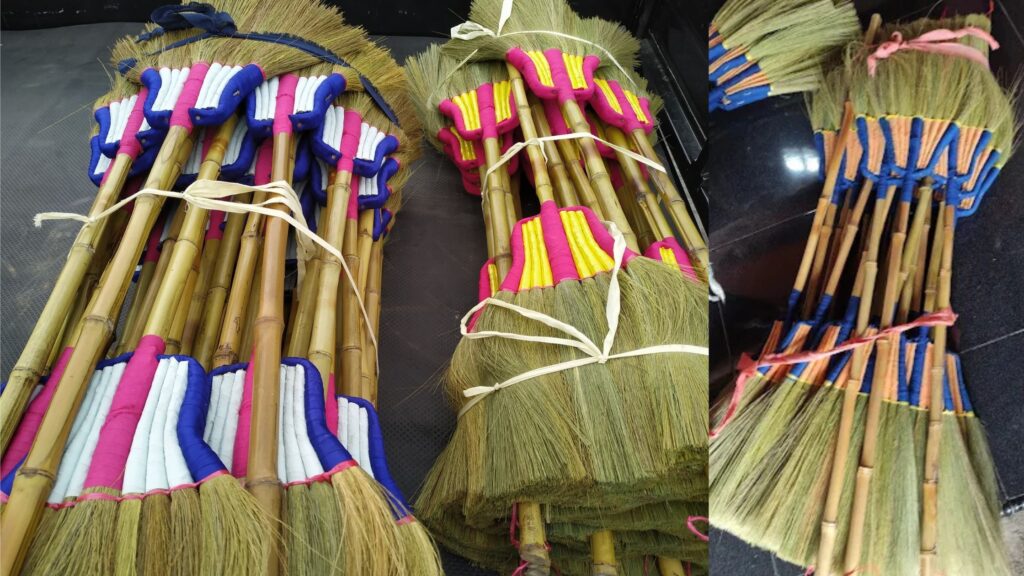
A corn broom may appear simple at first glance, yet its story stretches across centuries of craftsmanship, material science, and cultural adaptation. People around the world still rely on this handmade tool because it withstands rigorous tasks that many synthetic alternatives fail to endure. In an age dominated by automation and industrial plastics, the corn broom remains a compelling example of how natural fibers and human ingenuity can converge into a durable and efficient cleaning instrument.
Corn brooms originated from the early domestication of broomcorn, a variety of sorghum with long, stiff fibers well suited for sweeping. Farmers in North America, Europe, and parts of Asia cultivated broomcorn not only as animal feed but also as an essential household resource. Over time, broom-making developed into a specialized craft. Skilled makers learned to bind fibers at precise angles, ensuring the broom would maintain its structure under repeated pressure. Even now, this attention to detail separates a mediocre broom from a truly high-quality one.
Modern urban consumers often underestimate how much engineering goes into such a humble object. For example, the angle of the bristles determines how effectively the broom can capture fine dust or heavier debris. The selection of fiber maturity influences stiffness, longevity, and resistance to moisture. Meanwhile, the handle material contributes to ergonomics and weight distribution, both of which affect user fatigue. In short, a corn broom is not merely a bundle of dried plant matter; it is a refined tool shaped by generations of optimization.
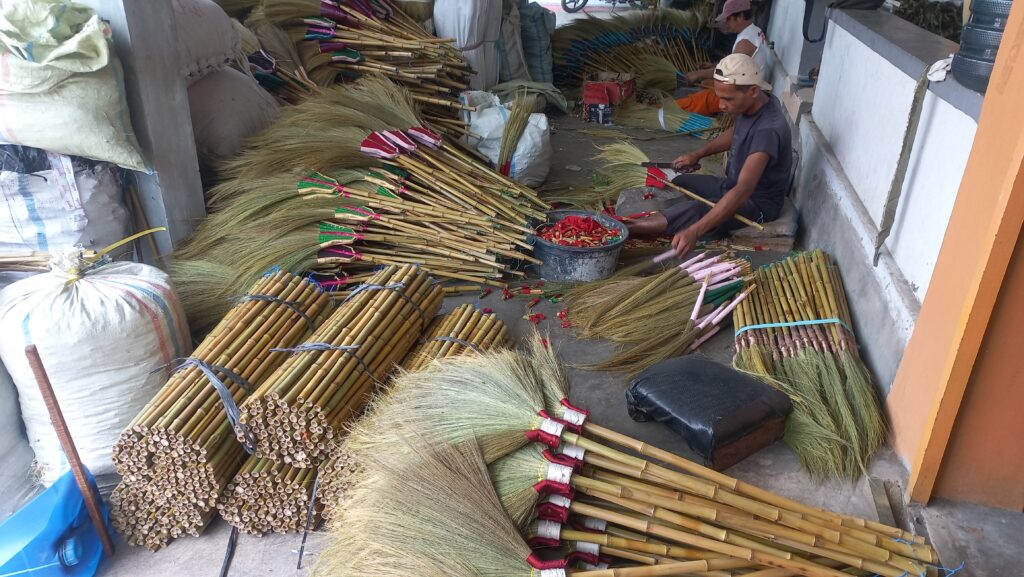
Although cleaning equipment has diversified dramatically, corn brooms continue to hold their place in residential, commercial, and industrial settings. Many janitorial professionals prefer them because, unlike plastic bristles, broomcorn fibers flare naturally. This flare allows the broom to reach corners more effectively, creating a wider cleaning path. Moreover, broomcorn possesses a slight natural “memory,” meaning the fibers return to their shape after being flexed. Consequently, a well-made corn broom lasts much longer than its low-cost synthetic counterparts.
In addition, environmental consciousness has renewed interest in natural cleaning tools. As more consumers seek products with minimal ecological impact, the corn broom stands out. It decomposes naturally, contains no microplastics, and requires significantly less energy to produce compared with petroleum-based alternatives. While sustainability alone does not guarantee performance, the corn broom manages to excel in both functionality and environmental friendliness.
Coco Nusa Gemilang: Global Manufacturer and Supplier
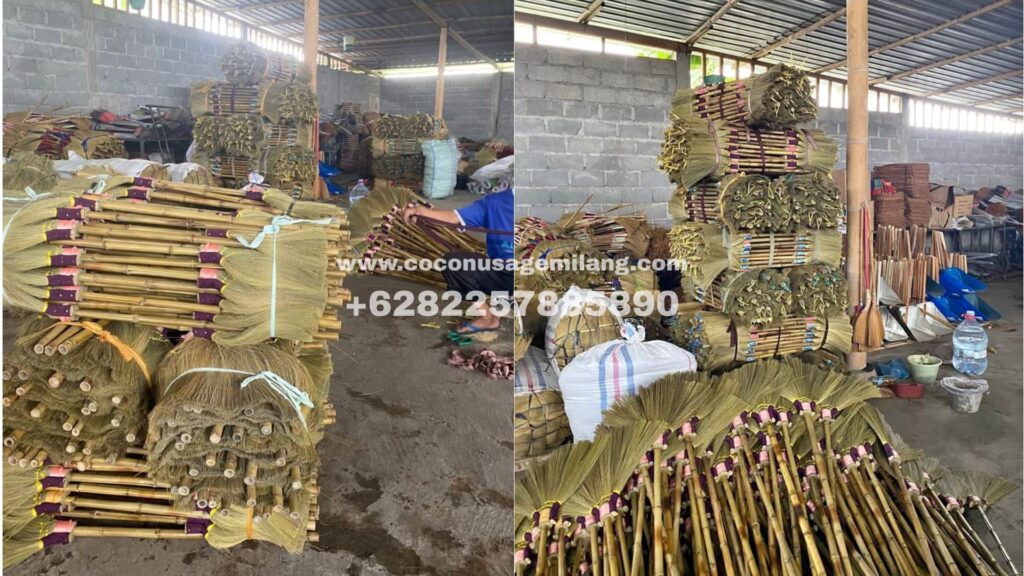
Furthermore, companies like Coco Nusa Gemilang have played a major role in keeping the corn broom relevant in global markets. As a manufacturer and supplier of high-quality corn brooms, the company offers a wide range of models tailored to the requirements of international buyers. Their production focuses not only on durability but also on consistency, ensuring each broom meets strict export standards. Because of this reliability, distributors from various regions continue to place repeat orders.
Moreover, Coco Nusa Gemilang maintains flexible pricing strategies that allow customers with different order volumes to access competitive rates. Their export pricing typically ranges from 0.9 USD to 2.6 USD per piece FOB Port Semarang, Indonesia, depending on the model, fiber density, handle choice, and total quantity purchased. The company openly communicates that these prices remain negotiable based on mutual agreement, a policy that appeals to long-term partners seeking steady supply chains.
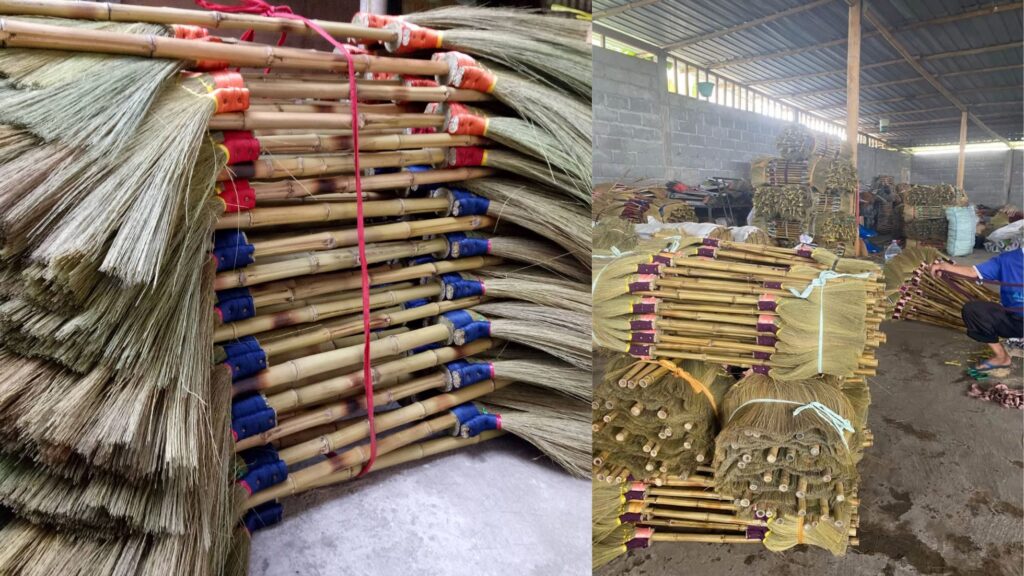
Additionally, the company’s manufacturing capacity enables it to support both small-scale trial shipments and large-scale commercial orders. Buyers can choose from multiple broom types, including heavy-duty industrial models, domestic sweeping brooms, extra-flare wide brooms, and premium export-grade designs. As a result, Coco Nusa Gemilang has become a trusted source of diverse broom solutions for importers in Asia, the Middle East, Europe, and emerging markets. This breadth of product choice strengthens the company’s position in the global cleaning-equipment sector.
Equally important, Coco Nusa Gemilang emphasizes quality control at every stage of production. Their team inspects broomcorn fibers before sorting, binding, trimming, and finishing each unit. The company consistently delivers corn brooms that meet both aesthetic and structural standards. Consequently, buyers receive goods that are ready for immediate resale, reducing storage losses and quality issues. Through this attention to detail, the company proves that traditional craftsmanship and modern export requirements can coexist successfully.
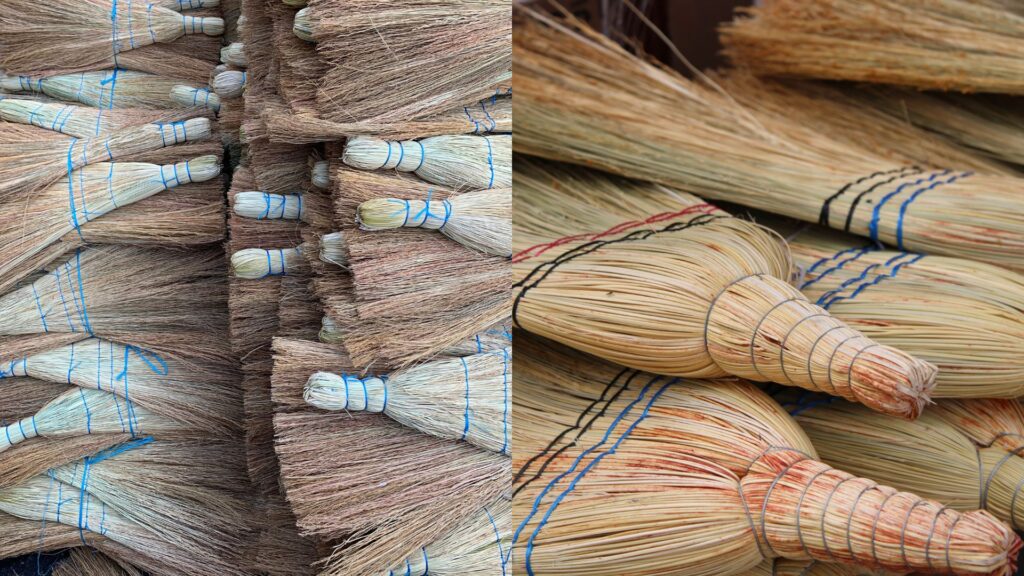
Asian Brooms
Construction and Material Advantages
Broomcorn fibers display a combination of stiffness and flexibility that synthetic bristles often fail to replicate. Each fiber possesses a hollow cellular structure that makes the material lightweight yet resilient. This architecture allows the broom to push fine particles without bending excessively. Unlike plastics that deform under heat or prolonged pressure, broomcorn maintains its integrity even after frequent outdoor use.
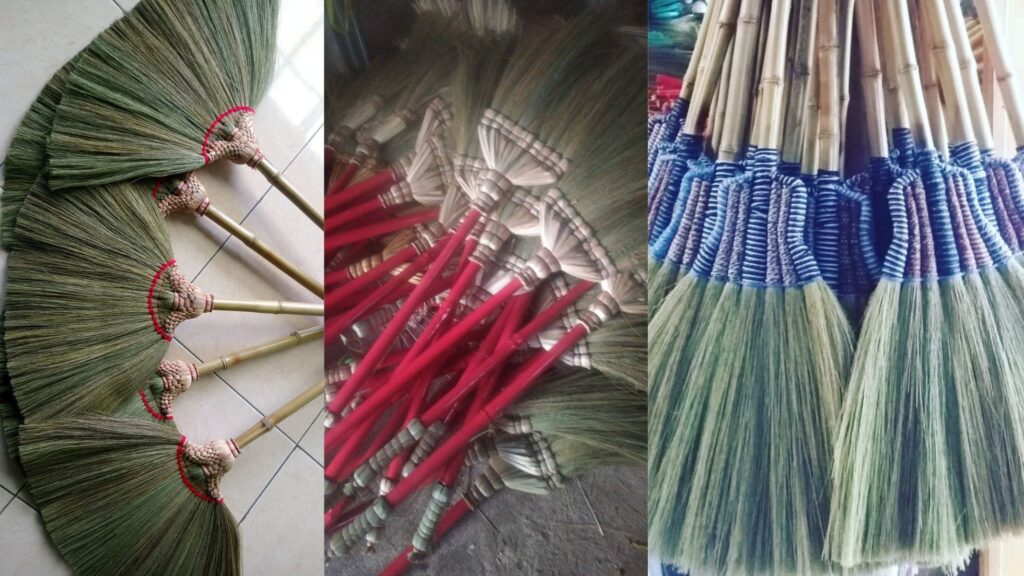
Handle materials vary widely, but wood remains the preferred choice for premium brooms. Wooden handles provide natural strength, reduce vibration, and maintain a comfortable grip over extended use. Some manufacturers opt for metal or composite handles to reduce costs or achieve different levels of durability. Nevertheless, the pairing of broomcorn and wood creates a balance of tradition, stability, and tactile comfort unmatched by mass-produced plastic brooms.
The stitching and binding process often dictates how long a broom will last. High-quality corn brooms use strong wire or nylon twine to secure the fibers. The binding must be tight enough to prevent fiber slippage yet flexible enough to handle movement. A well-built broom spreads evenly during use and returns to its original shape afterward. This craftsmanship explains why certain corn brooms remain functional for years, even in professional environments.
Different broom models serve different purposes. For instance, a warehouse broom may feature extra-thick rows of broomcorn to handle heavy debris such as wood chips or metal filings. Conversely, indoor brooms require a lighter configuration that glides smoothly over tile or hardwood. Outdoor sweeping often benefits from stiffer fibers that can dislodge soil, sand, and leaves. Regardless of the environment, the corn broom adapts through variations in fiber length, density, and binding techniques.
Cultural and Historical Significance
Historically, the corn broom has symbolized both practicality and community identity. In many rural regions, broom-making gatherings once acted as social events where families shared techniques and exchanged local knowledge. Some communities passed down the skill for generations, treating broom-making not as a simple trade but as an important cultural asset. These traditions survive in pockets of the world where handmade goods still represent a form of heritage and authenticity.
Fascinatingly, the corn broom even appears in folklore and ceremonies. In some cultures, new homeowners sweep their space with a natural broom to symbolically remove negative energy. In others, brooms serve as wedding symbols meant to represent the clearing of obstacles and the start of a clean, harmonious life. While such practices vary across regions, they highlight how deeply embedded this everyday tool is in human culture.
Role in Modern Cleaning and Industry

Despite rapid technological advancement, corn brooms remain indispensable in numerous industries. Warehouses, construction sites, farms, and factories still depend on them for quick manual cleanup. Power sweepers and vacuum machines may perform specialized tasks, yet they cannot fully replace the speed and reach of a handheld broom. Workers often rely on corn brooms for small-area cleaning where maneuverability matters more than mechanized power.
Homeowners also recognize the value of a natural broom. Many prefer corn brooms for patios, balconies, and garages because they handle grit, leaves, and sand more effectively than plastic options. The strong bristle flare allows the broom to move debris in a single direction without scattering it. Additionally, the tactile feel of sweeping with a corn broom provides a sense of control that is often missing from modern cleaning devices.
The hospitality and retail sectors continue to purchase corn brooms in large quantities. These industries require tools that can perform consistently under frequent use. Since corn brooms resist wear and tear, businesses view them as cost-effective investments. Even when exposed to moisture or outdoor conditions, broomcorn fibers maintain their shape better than many budget-grade plastic alternatives.
Economic Impact and Global Trade
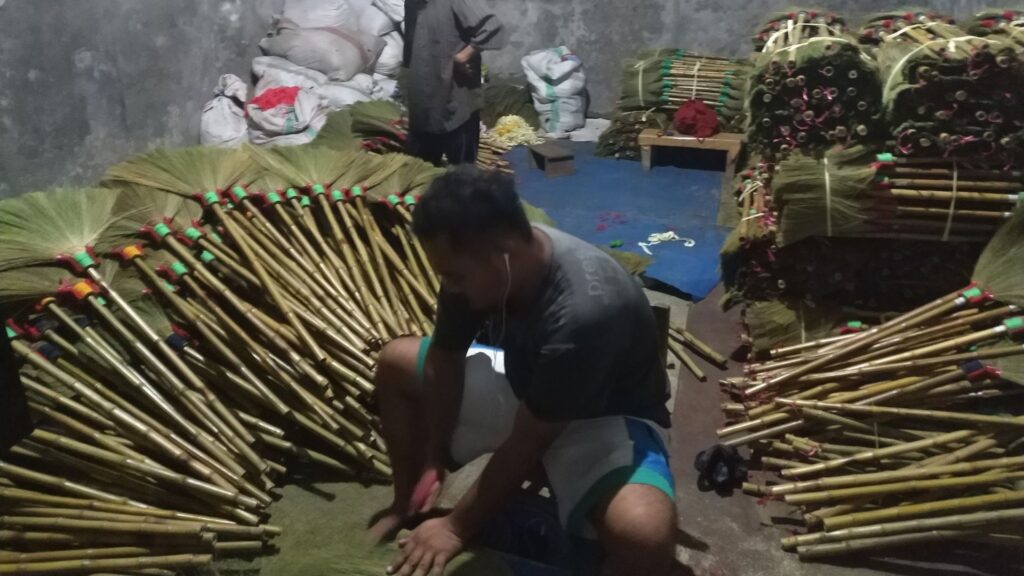
Corn brooms contribute to global trade networks that support agricultural producers, manufacturing companies, and distribution businesses. Countries that grow sorghum benefit from export opportunities, while manufacturers transform raw broomcorn into finished goods with significant added value. Importers, in turn, supply retailers and cleaning companies worldwide. This interconnected chain creates jobs and supports rural economies.
Developing nations, particularly in Asia, have become major players in broom production. Their ability to source raw materials locally and leverage skilled labor gives them an advantage in global markets. Exporters who maintain consistent quality and packaging standards often capture long-term clients, especially in regions where natural brooms remain the preferred choice.
Maintenance and Longevity
A corn broom’s lifespan increases significantly with proper care. Users should store the broom by hanging it rather than resting it on its bristles. Hanging prevents the fibers from bending permanently, ensuring a longer working life. Regular cleaning of the broom head also prevents dust accumulation, which can stiffen the bristles over time.
Applying light moisture occasionally helps the fibers regain flexibility, especially in dry climates. However, soaking the broom should be avoided because excessive water can weaken the binding. A balanced maintenance routine keeps the broom functional and preserves the natural resilience of broomcorn.
Future Outlook
While technological advances continue to shape the cleaning-tool industry, the corn broom demonstrates remarkable staying power. Its eco-friendly material composition, time-tested efficiency, and adaptable craftsmanship ensure its relevance for years to come. Manufacturers who invest in quality, design refinement, and global distribution will continue to find strong demand.
Additionally, interest in traditional and sustainable household items continues to rise. Younger consumers, increasingly concerned with environmental impact, often choose natural products over disposable plastic tools. As a result, the corn broom may enjoy renewed popularity as a practical, durable, and responsible choice.